
10 Essential Questions to Ask When Touring a Yacht for Sale
Ten essential questions every yacht buyer must ask when touring a vessel for sale.


The gleaming teak, the sophisticated electronics, the promise of adventure on open water... it's easy to get caught up in the emotion of touring a beautifully-staged yacht for sale. But behind the polished surfaces and carefully staged interiors lie critical details that separate exceptional vessels from expensive mistakes.
The questions you ask during your initial yacht tour can reveal everything from hidden mechanical problems to maintenance nightmares waiting to happen. They demonstrate your seriousness as a buyer, establish rapport with the seller, and provide the foundation for informed decision-making throughout the purchase process.
This comprehensive guide walks you through the ten essential questions every yacht buyer must ask when touring a vessel for sale, along with what to look for in the answers, red flags that should concern you, and follow-up questions that dig deeper into critical issues. Whether you're a first-time buyer or an experienced yacht owner, these questions will help you evaluate vessels more effectively and avoid costly surprises.
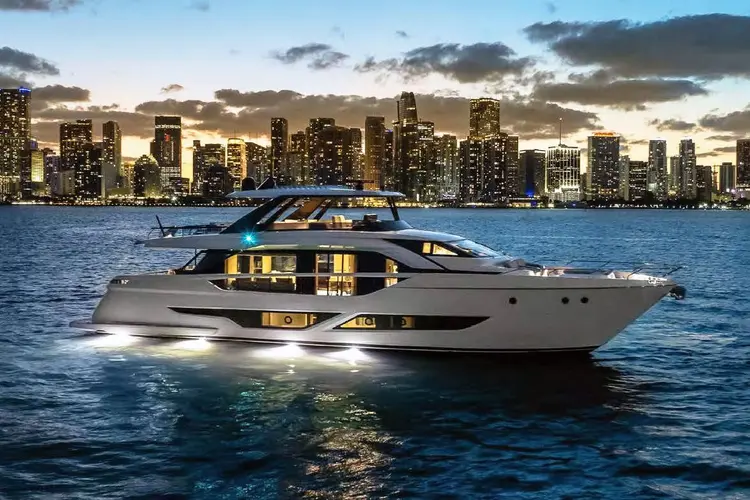
Question 1: Why Are You Selling the Yacht?
This seemingly simple question often reveals more than any other single inquiry you can make. The seller's motivation provides crucial context for evaluating both the vessel and the potential deal.
What You're Really Asking
You're trying to understand whether the seller is moving up to a larger vessel, downsizing due to changing needs, dealing with financial pressures, or perhaps unloading a problem boat they no longer want to maintain. Each scenario creates different dynamics in the negotiation and suggests different levels of concern about the vessel's condition.
Ideal Answers
The best responses indicate natural life transitions: upgrading to a larger yacht, relocating to an area where this vessel isn't suitable, health issues limiting the owner's ability to cruise, or simply using the boat less than anticipated and wanting to free up capital.
These explanations suggest the yacht served its purpose well but circumstances have changed, not that the vessel itself presents problems.
Red Flags
Be cautious if the seller seems evasive, provides vague or inconsistent explanations, mentions frequent mechanical issues or expensive repairs, indicates they're selling after owning the yacht for only a short time without clear explanation, or displays obvious frustration or negative emotion when discussing the vessel.
A seller who bought a yacht two years ago and is now eager to sell might have discovered maintenance costs or mechanical issues that exceeded expectations. Similarly, sellers who seem relieved to be getting rid of the boat may know about problems you haven't yet discovered.
Follow-Up Questions
Dig deeper by asking how long they've owned the yacht, where they've cruised or what they've used it for during their ownership, whether they'll miss the boat or what they'll miss most about it, and what they would have done differently if purchasing again.
These follow-ups help you gauge the owner's genuine relationship with the vessel and can reveal insights about its strengths and weaknesses.
Question 2: What Is the Complete Maintenance History?
Proper maintenance separates yachts that provide years of reliable service from those that become endless money pits. Understanding the vessel's maintenance history is absolutely critical to assessing its true condition and value.
What You're Really Asking
You want to know whether the yacht has been properly maintained according to manufacturer specifications, whether the owner has been proactive about addressing issues before they become serious problems, what major systems or components have been serviced or replaced, and whether documentation exists to verify the maintenance claims.
Ideal Answers
The best sellers provide comprehensive maintenance records organized chronologically or by system. They can discuss regular maintenance schedules, describe major projects completed during their ownership, and produce receipts and work orders from qualified marine professionals.
They speak knowledgeably about the yacht's systems and demonstrate pride in keeping the vessel properly maintained. Documentation should include engine service records, generator maintenance logs, bottom paint and haul-out records, electronics service history, and receipts for parts and repairs.
Red Flags
Warning signs include the seller claiming everything has been maintained but having no documentation to prove it, gaps in maintenance records for extended periods, evidence of deferred maintenance or shortcuts, multiple instances of the same repair suggesting recurring problems, or the seller's inability to discuss basic maintenance items like oil changes or bottom painting.
A well-maintained yacht should have regular service records at predictable intervals. Large gaps suggest the vessel sat unused or maintenance was neglected.
Follow-Up Questions
Ask specifically about engine hours and service intervals, when the bottom was last painted and what type of paint was used, when through-hulls and hoses were last inspected or replaced, the service history of generators and major systems like air conditioning, when standing rigging was last replaced on sailboats, and whether they have records from previous owners if they purchased the yacht used.
Also inquire about routine maintenance: who performed oil changes, how often fuel filters were replaced, how batteries were maintained, and whether the vessel was kept on shore power or used regularly.
What to Look For
Request to see the actual maintenance logs and receipts during or after the tour. Well-organized records in a binder or folder demonstrate an owner who takes maintenance seriously. Digital records or photos of receipts are better than nothing but less ideal than organized paper documentation.
Pay attention to whether maintenance was performed by qualified marine professionals at reputable boatyards or whether the work appears to have been done by the owner or questionable service providers.
.png)
Question 3: What Are the Engine Hours and Condition?
For powerboats, engines represent the single most expensive system onboard. Engine condition and remaining useful life dramatically affect the vessel's value and your total ownership cost.
What You're Really Asking
Beyond just the hour meter reading, you want to understand how those hours accumulated, how the engines were maintained, whether any problems have occurred, and what the owner knows about the engines' current condition.
Ideal Answers
The seller should know the exact engine hours and be able to explain whether those hours accumulated over many years of light use or represent recent heavy use. They should describe regular oil changes at appropriate intervals, fuel filter replacements, and any significant service or repairs performed.
For diesel engines, typical life expectancy ranges from 5,000 to 8,000 hours depending on maintenance and operating conditions. Gas engines generally have shorter lifespans. The owner should be able to discuss compression test results if recent tests have been performed, oil consumption and condition, exhaust color and characteristics, and whether engines start easily and run smoothly.
Red Flags
Concerning signals include very high hours relative to the engine's expected lifespan, excessive oil consumption or blue smoke from exhaust, difficulty starting or rough running, recent major repairs suggesting serious problems, or the owner's inability to provide basic information about engine service history.
Also be alert to hour meters that have been replaced or reset, which might hide the true hours. Some owners replace hour meters after major engine work, which isn't necessarily deceptive but should be disclosed.
Follow-Up Questions
Ask when oil and filters were last changed, whether compression tests have been performed and what the results were, whether the engines have ever overheated or experienced cooling system problems, if turbochargers have been serviced or replaced on turbocharged diesels, whether the engines have ever been rebuilt and what work was performed, and what the typical operating temperature and oil pressure readings are.
For gas engines, also ask about spark plugs, distributor, and ignition system maintenance.
During the Tour
Examine the engine room carefully during your tour. Look for oil leaks, fuel leaks, coolant weeping from hoses or heat exchangers, corrosion on engine blocks or components, and general cleanliness and organization.
A well-maintained engine room will be relatively clean with neatly routed hoses and wiring. Excessive oil coating everything suggests leaks have been ignored. Check bilges under engines for oil or fuel accumulation.
If possible, ask to start the engines and observe the startup process. Engines should start relatively quickly and settle into smooth idle. Excessive smoke, rough running, or unusual noises are concerning signs.
Question 4: Have There Been Any Significant Repairs or Insurance Claims?
Major repairs or insurance claims can indicate serious problems with the vessel, affect insurability, and reduce resale value. Understanding this history is essential before committing to purchase.
What You're Really Asking
You want to know whether the yacht has experienced groundings, collisions, storm damage, lightning strikes, or other incidents requiring substantial repair. You also want to understand the quality of repairs and whether structural integrity has been compromised.
Ideal Answers
The best answer is that no significant incidents or major repairs have occurred. However, honest disclosure of properly repaired damage is better than hidden problems you discover later.
If repairs have been made, the owner should be able to describe exactly what happened, what damage occurred, who performed the repairs, and provide documentation of the work performed. Professional repairs by qualified boatyards with documentation and photos are much less concerning than owner repairs or work by unknown service providers.
Red Flags
Major warning signs include the seller being evasive about the boat's history, obvious signs of significant repair that the seller doesn't mention, collision damage or structural repairs, evidence of grounding with damage to running gear or hull, or lightning strike history, which can cause extensive hidden electrical damage.
Also be concerned if insurance claims were denied or if the vessel has a salvage title.
Follow-Up Questions
If repairs have been made, ask who performed the work and whether documentation exists, whether the work was done to insurance company specifications, if structural components were affected, whether the vessel has been surveyed since the repairs, and if any ongoing issues resulted from the incident.
For groundings specifically, ask whether the keel, rudder, or running gear sustained damage, whether the hull was inspected for damage, and if any leaks or structural issues developed afterward.
Verifying the Information
Professional marine surveys will often reveal evidence of previous damage and repairs that sellers don't disclose. Look for paint or gelcoat that doesn't match, repair work visible in structural components, or areas that appear newer than the rest of the vessel.
Insurance claim history can sometimes be researched through marine insurance databases, though this isn't always accessible to buyers.
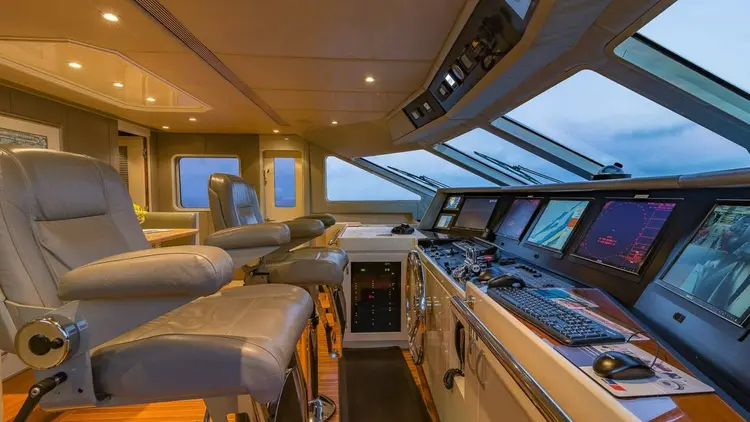
Question 5: What Systems or Equipment Need Attention or Replacement Soon?
This question tests the seller's honesty and helps you budget for near-term expenses after purchase. It also reveals how well the owner understands their vessel's condition.
What You're Really Asking
You want to know what systems are approaching end of service life, what equipment isn't functioning properly, what maintenance items the seller knows are needed but hasn't addressed, and what your first-year ownership costs might include beyond the purchase price.
Ideal Answers
Honest sellers will acknowledge items they know need attention: aging electronics that work but are outdated, canvas or upholstery showing wear, cosmetic issues like teak needing refinishing, or systems that function but are approaching typical replacement age.
They might mention the air conditioning runs but isn't as cold as it once was, the refrigerator works but cycles more frequently than before, or the generator starts but is due for major service based on hours.
This candor demonstrates integrity and helps you avoid surprises. It also provides negotiation points for adjusting the purchase price to account for needed work.
Red Flags
Be very concerned if the seller claims everything is perfect and nothing needs attention. All used vessels have some systems requiring attention or approaching replacement. Claiming perfection suggests either dishonesty or lack of awareness about the vessel's actual condition.
Also concerning are sellers who acknowledge issues but can't estimate costs or who mention multiple expensive systems needing replacement soon.
Follow-Up Questions
For any items mentioned, ask for more detail: when did the problem start, has anyone looked at it professionally, do they have repair estimates, how does the issue affect the system's functionality, and have they simply chosen not to repair it or is it a recent development?
Also ask proactively about specific systems: how old is the air conditioning, when were batteries last replaced, how old are electronics and navigation systems, what condition is canvas and upholstery in, and when standing rigging was last replaced on sailboats.
Budgeting Implications
Take notes on everything mentioned as needing attention or replacement. After the tour, research typical costs for these items to understand your potential first-year expenses. A yacht selling for $100,000 might require another $20,000 in immediate repairs and upgrades, making the true investment $120,000.
Question 6: Where Has the Yacht Been Kept and How Has It Been Used?
Storage conditions and usage patterns dramatically affect a vessel's condition and longevity. Understanding this history helps you assess maintenance needs and potential problems.
What You're Really Asking
You want to know whether the yacht has been protected in covered storage or exposed to harsh conditions, whether it's been in saltwater or freshwater, how actively it's been used versus sitting idle, and whether it's been properly maintained between uses.
Ideal Answers
Ideal storage is in a covered slip or dry stack storage with regular use and maintenance. Freshwater locations are generally easier on vessels than saltwater, though well-maintained saltwater boats can be excellent.
Regular use with proper between-use maintenance is better than boats that sit idle for months at a time. Actively cruised vessels have systems that are exercised regularly, preventing seals from drying out and components from seizing.
The owner should be able to describe typical usage patterns: where they cruised, how many days per year they used the yacht, whether they lived aboard or kept it for weekend use, and whether it was maintained year-round or winterized seasonally.
Red Flags
Concerning scenarios include yachts that have sat for extended periods without use or maintenance, vessels kept on moorings or anchored out without regular attention, boats that have been moved frequently between locations suggesting owner dissatisfaction, or storage in areas known for harsh conditions without appropriate maintenance.
Also be cautious of vessels that have been used for charter, which subjects them to harder use and potentially less careful handling than private ownership.
Follow-Up Questions
Ask whether the yacht was kept on shore power or battery chargers when not in use, how often they visited the boat to check on it, whether it was winterized or used year-round, if it's ever been in an accident or suffered storm damage while at the dock or mooring, and whether they have used the same marina or storage facility throughout ownership.
For boats that were cruised extensively, ask about the longest passages, where they cruised, and whether any problems developed during extended cruising.
What This Tells You
Boats kept in covered slips on shore power with weekly or monthly visits typically have fewer issues than vessels sitting on moorings visited occasionally. Regular electrical power prevents battery degradation and allows battery chargers and dehumidifiers to protect systems.
Heavily cruised boats might show more cosmetic wear but often have better-maintained systems because problems get addressed immediately rather than festering between infrequent uses.

Question 7: What's Included in the Sale and What's Not?
Understanding exactly what equipment and gear conveys with the yacht prevents disputes at closing and helps you budget for additional equipment you'll need.
What You're Really Asking
You want a clear understanding of what equipment, electronics, safety gear, tools, spare parts, and personal items come with the vessel versus what the seller plans to remove before closing.
Ideal Answers
Sellers should provide a clear list of included items, typically covering all permanently installed equipment and systems that are part of the vessel, safety equipment required by regulations, basic items like anchors, lines, and fenders, and often (though not always) electronics, navigation equipment, and communication systems.
Many sellers also include spare parts, tools specific to the vessel, documentation and manuals, and sometimes personal items like dishes, linens, and water toys that they no longer want.
The clearer the seller is about what's included and what's not, the better. Ambiguity leads to disputes at closing.
Red Flags
Be concerned if the seller plans to remove major equipment that you assumed was included, like expensive electronics, generators, or air conditioning systems. Also problematic are sellers who are vague about what's included or who change their mind about included items during negotiations.
Watch for missing safety equipment that should be aboard, as replacing items like life rafts, EPIRBs, or flares can be expensive.
Follow-Up Questions
Ask specifically about items that matter to you: does the listed electronics include radar, chart plotters, autopilot, and AIS, are all safety equipment and life-saving devices included, does the sale include the tender and outboard motor, what about water toys, diving equipment, or fishing gear, are there spare parts, tools, or extra equipment for systems aboard, and are all manuals, documentation, and spare keys included?
For larger yachts, also ask whether items like generators, watermakers, or stabilizer systems are included if they're not explicitly listed.
Getting It in Writing
Once you've agreed on what's included, ensure the purchase agreement specifically lists included items, particularly expensive equipment or anything that could be ambiguous. Taking photos during the tour of equipment you expect to be included provides documentation if disputes arise later.
Question 8: What Are the Typical Operating Costs?
Understanding ongoing ownership costs helps you determine whether you can afford not just the purchase price but also the continuing expenses of yacht ownership.
What You're Really Asking
You want to understand fuel consumption, slip or mooring fees, insurance costs, routine maintenance expenses, and any other regular costs the current owner incurs.
Ideal Answers
Experienced owners can provide detailed information about typical costs: monthly slip or mooring fees at their current location, approximate annual insurance premiums, fuel consumption at various speeds and typical fuel costs, routine maintenance costs like oil changes, bottom painting, and seasonal service, and annual haul-out and storage costs if applicable.
They should also be able to discuss unexpected costs they've experienced: equipment repairs, emergency haul-outs, or systems that required replacement.
Red Flags
Be concerned if the owner seems vague about costs, suggests expenses are negligible when they clearly aren't, or mentions frequent expensive repairs suggesting unreliable systems.
Also concerning are owners who dramatically underestimate costs because they're trying to make yacht ownership seem more affordable than it actually is.
Follow-Up Questions
Ask about specific costs: what's the monthly slip fee at their current marina, what do they pay for insurance annually, how much fuel does the yacht consume per hour at cruising speed, what are annual haul-out and bottom painting costs, how much do they budget annually for routine maintenance, and what unexpected expenses have they encountered.
For larger yachts, also ask about crew costs if applicable, electrical costs if living aboard, and any association or club dues.
Budgeting Reality
A common rule of thumb suggests budgeting 10% of the yacht's purchase price annually for operating costs, though this varies significantly based on vessel size, age, and usage. Some owners spend far less, while others exceed this figure.
Knowing the seller's actual costs helps you create realistic budgets. Remember that your costs might differ based on how and where you'll use the yacht.
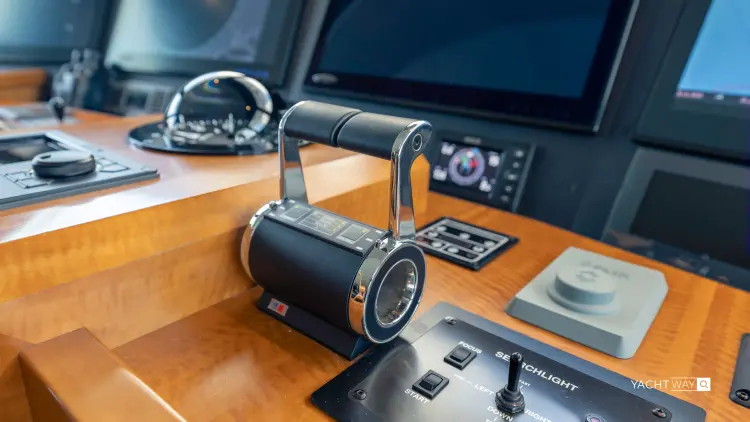
Question 9: Are There Any Known Issues with Systems or Equipment?
This direct question about problems separates honest sellers from those trying to hide defects. The answer reveals both the vessel's condition and the seller's integrity.
What You're Really Asking
You're giving the seller an opportunity to disclose any problems they're aware of, testing their honesty, and gathering information about potential repair costs you'll face after purchase.
Ideal Answers
Honest sellers will describe any known issues, even minor ones: a bilge pump that occasionally doesn't activate automatically, electronics that sometimes glitch, air conditioning that doesn't cool as efficiently as it once did, or cosmetic issues like cracked gel coat or worn upholstery.
They should describe when issues started, what they've done to address them, whether professional technicians have evaluated the problems, and how the issues affect functionality.
Minor issues honestly disclosed are far better than discovering significant problems weren't mentioned.
Red Flags
The biggest red flag is claiming there are absolutely no issues. Every yacht has some known quirks or minor problems. Claiming perfection suggests dishonesty.
Also concerning are sellers who become defensive when asked about problems, minimize obviously significant issues, or blame problems on operators rather than acknowledging genuine defects.
Follow-Up Questions
For any disclosed issues, ask whether they have professional assessments or repair estimates, if the problems affect safety or seaworthiness, whether issues are getting worse or staying stable, what temporary fixes they've implemented, and whether they've researched solutions or talked to other owners about similar problems.
Testing During the Tour
Ask to operate systems and equipment during the tour: run the generator, test air conditioning, operate windlass and davits, check autopilot functionality, and test electronics and navigation systems.
This hands-on testing often reveals problems the seller might not mention, and it demonstrates you're a serious buyer who will discover issues anyway.
Question 10: Can I See All Areas of the Yacht, Including Engine Rooms and Bilges?
This question separates sellers who have nothing to hide from those concealing problems. Comprehensive access to all areas during your tour is essential for proper evaluation.
What You're Really Asking
You want complete access to evaluate the vessel's actual condition, not just the prettily staged living spaces. You're testing whether the seller is comfortable with thorough inspection and whether they've maintained areas that aren't typically visible.
Ideal Answers
Confident sellers will welcome your thorough inspection and help you access difficult areas. They'll open hatches, move panels, and demonstrate that you're welcome to inspect anywhere you'd like.
They might even point out areas you should examine: how clean the bilges are, the organization of the engine room, or the condition of wiring and plumbing in concealed spaces.
This transparency demonstrates both confidence in the vessel's condition and respect for you as a serious buyer.
Red Flags
Major warning signs include reluctance to let you access certain areas, claims that areas can't be accessed without special tools or procedures, making excuses about cleanliness or organization in hidden areas, or rushing you through inspection of mechanical spaces.
If the seller discourages thorough inspection or seems uncomfortable with your questions, that suggests problems they don't want you to discover.
Follow-Up Questions
If access to certain areas seems limited, ask why: is it a safety issue, is special equipment needed to access the area, has the seller themselves inspected these areas recently, and can access be arranged for a future visit?
For areas you do access, ask when the seller last inspected them, whether they've noticed any changes or developing problems, and whether any work has been performed in concealed spaces.
What to Look For
In engine rooms, examine overall cleanliness and organization, evidence of oil or fuel leaks, corrosion on engines and components, condition of hoses and electrical connections, and proper routing and securing of cables and hoses.
In bilges, look for oil or fuel accumulation, evidence of water intrusion, condition of bilge pumps and float switches, and general maintenance quality in areas most owners don't regularly inspect.
These hidden areas reveal far more about actual vessel condition and owner care than beautified living spaces.

Additional Important Topics to Discuss
Beyond these ten essential questions, several other topics deserve attention during your yacht tour.
Documentation and Title
Ask about the vessel's registration and documentation status, whether clear title exists with no liens or encumbrances, if all tax obligations have been met, and whether the seller has complete documentation to transfer ownership.
Title problems can delay or prevent closing, so confirming clean title early in the process avoids surprises.
Warranties and Guarantees
For newer yachts or recently installed equipment, ask what warranties might transfer to the new owner, whether extended warranties exist on engines or systems, and if service contracts or maintenance agreements can be transferred.
Some manufacturers' warranties transfer to subsequent owners, while others are specific to the original purchaser.
Community and Berth
If the yacht is in a marina or yacht club, ask about the community and amenities, whether the slip transfers with the yacht or if you'll need to find new berthing, what the waitlist is like if slips are limited, and whether there are size or type restrictions.
Securing appropriate berthing can be challenging in some locations, so understanding the situation before purchasing helps avoid post-purchase berth-hunting.
Seller's Favorite Aspects
On a positive note, ask what the seller has enjoyed most about the yacht, where their favorite cruising destinations have been, what features they think are particularly well-designed, and what they'll miss most about the boat.
These questions provide insights into the yacht's strengths and help you envision your own use of the vessel.
Making the Most of Your Tour
Beyond asking the right questions, several strategies help you maximize the value of your yacht tour.
Take Detailed Notes
Bring a notepad or use your phone to record observations, answers to your questions, and items requiring follow-up. In the excitement of touring multiple yachts, details blur together. Good notes help you remember specific vessels and compare options.
Bring a Knowledgeable Friend
If possible, bring someone experienced with boats who can offer a second opinion and help you evaluate systems and condition. They might notice things you miss or think of questions you haven't considered.
Take Photos and Videos
Document the yacht thoroughly with photos and videos, but ask permission first. Visual records help you remember details, review condition later, and show the yacht to family members or advisors who couldn't attend the tour.
Don't Rush
Schedule adequate time for thorough inspection. A proper tour of a mid-sized yacht should take at least an hour or two. Complex vessels might require several hours for comprehensive evaluation.
Sellers who rush you through the tour either don't respect your serious interest or have something to hide.
Trust Your Instincts
Beyond objective evaluation, pay attention to your gut feelings. Does the yacht feel right for you? Does the seller seem honest and straightforward? Do you feel comfortable with the vessel's condition and maintenance history?
Your instincts, combined with thorough objective evaluation, guide you toward good decisions and away from problem purchases.
After the Tour: Next Steps
Following your initial tour, several important steps move you closer to a purchase decision.
Review Your Notes
Shortly after the tour, review your notes while details are fresh. Flag items requiring follow-up or additional information. Compare the vessel against your requirements and priorities.
Research Identified Issues
Investigate any problems or concerns identified during the tour. Research typical repair costs, common solutions, and whether issues represent serious problems or routine maintenance.
Request Additional Information
Follow up with the seller or broker requesting maintenance records, repair documentation, and any other information that will help you evaluate the yacht. Professional sellers will respond promptly and completely.
Decide on Next Steps
Determine whether you want to make an offer, arrange a sea trial, schedule additional tours, or move on to other options. The initial tour provides essential information for this decision.
If the yacht meets your needs and the seller's answers were satisfactory, the next step is typically making an offer contingent on satisfactory survey and sea trial.
Knowledge Is Your Best Protection
The questions you ask during your yacht tour provide essential protection against expensive mistakes and help you evaluate whether a vessel truly meets your needs. Thorough questioning demonstrates your seriousness as a buyer, establishes professional rapport with the seller, and provides the foundation for informed decision-making.
Don't be intimidated about asking detailed questions or conducting thorough inspection. Professional sellers expect and welcome inquiries from serious buyers. Those who don't want to answer questions or allow comprehensive tours are likely hiding problems.
Remember that you're making a significant investment deserving of careful due diligence. The time you spend asking questions, taking notes, and thoroughly evaluating the yacht during your tour will pay dividends throughout your ownership by helping you avoid problem vessels and select one that provides years of reliable service and enjoyment.
The sea rewards those who prepare thoroughly and make informed decisions. Your yacht tour is the beginning of that preparation, setting the foundation for a successful purchase and satisfying ownership experience.
Ready to begin your yacht buying journey? Visit YachtWay, the world's most modern yachting platform, for comprehensive resources, expert guidance, and everything you need to know about buying and selling a yacht with confidence.
Related Articles
Continue exploring related topics and deepen your understanding
This guide covers the best vessels across every major liveaboard category in 2026
This guide explains every major vessel type you will encounter
Learn how modern buyers are no longer finding their yachts on listing platforms.
Learn how flag selection interacts with ownership, tax residence, crew employment, and more.
Learn how different yacht marketplace platforms stack up according to seller and dealer needs.
The right role for a 3D tour in a remote purchase process is pre-qualification, not due diligence.