
How to Close on a Yacht Purchase
Yacht closings are highly manageable with proper preparation and professional guidance.


The moment you've found the perfect yacht for sale and negotiated an acceptable price represents a major milestone in the boat buying journey: yet for many first-time buyers, the relief of agreement quickly transforms into confusion about what happens next. The path from signed purchase agreement to actually taking possession of your new vessel involves a complex sequence of inspections, documentation, financial transactions, insurance coordination, and legal formalities that can seem overwhelming without proper guidance. Unlike home purchases where real estate attorneys and title companies shepherd buyers through standardized closing processes, yacht transactions often leave buyers navigating unfamiliar waters with less institutional support, creating opportunities for costly mistakes, missed deadlines, and problematic outcomes that mar the excitement of new boat ownership.
Understanding the yacht closing process transforms confusion into confidence, ensuring smooth transactions that protect your interests and deliver clear ownership of properly inspected, adequately insured vessels free from liens and encumbrances. The closing process exists not as bureaucratic obstacle but as essential protection: survey contingencies prevent you from buying boats with hidden damage, sea trials verify operational performance, title searches confirm sellers actually own boats they're selling, and proper documentation establishes your legal ownership protecting against future disputes. Buyers who rush through closing eager to start using boats often discover expensive problems that thorough closing processes would have revealed, while buyers who understand and properly execute closing steps achieve successful transactions with minimal post-purchase surprises.
This comprehensive guide walks you through every step of yacht closing from executed purchase agreement to taking possession, including purchase agreement essentials and contingencies, marine survey process and what to expect, sea trial procedures and evaluation, title search and lien verification, financing coordination and funding, insurance requirements and timing, documentation and registration choices, closing statement review and fund transfers, final walkthrough and acceptance, and taking possession with proper handoff. Whether you're buying your first yacht or your tenth, mastering the closing process ensures professional execution that protects your substantial investment while enabling you to confidently take command of your new vessel.
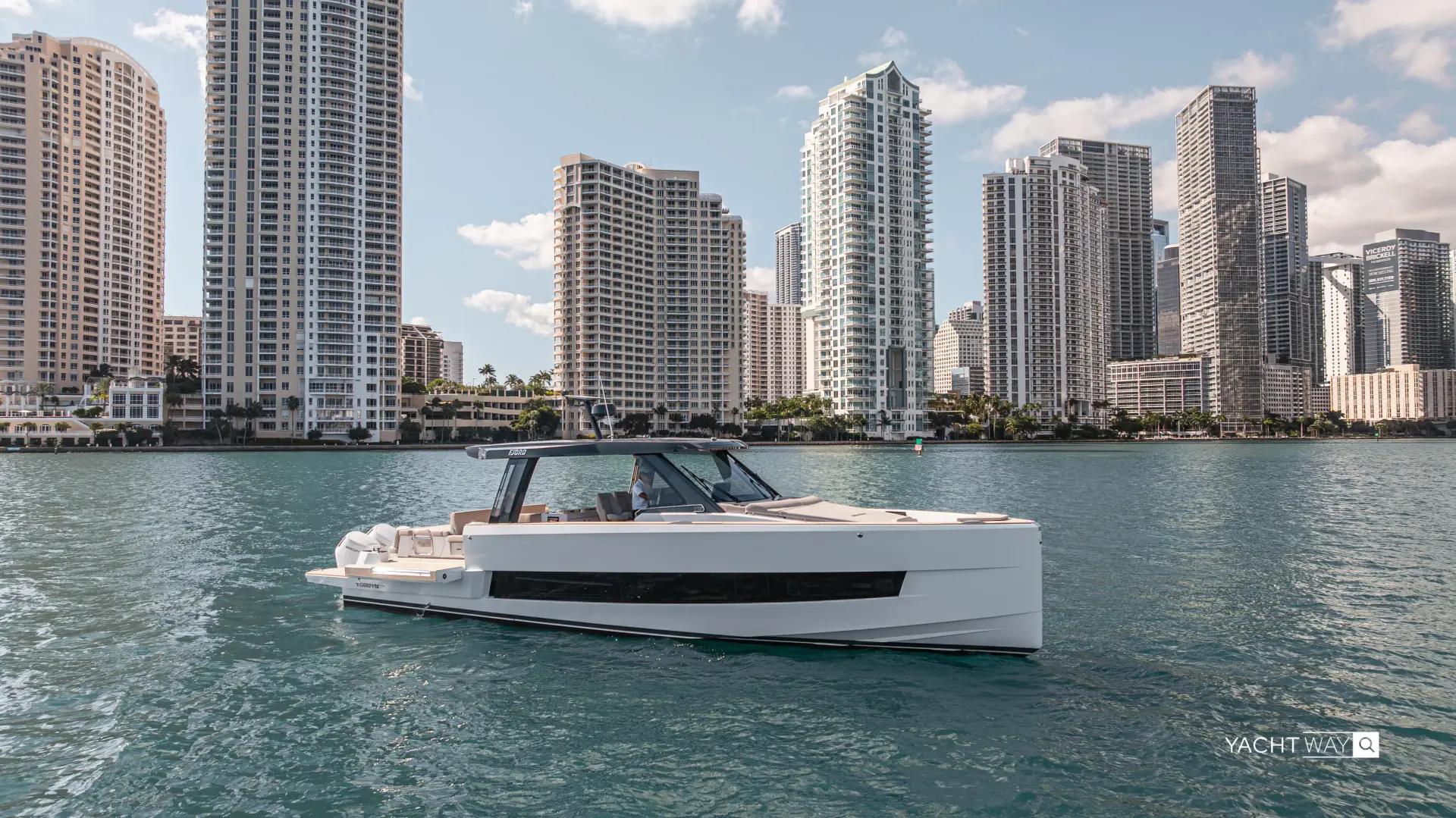
The Purchase Agreement: Starting the Closing Process
The yacht closing process formally begins when buyer and seller execute a purchase agreement establishing terms, conditions, and timeline for the transaction.
Essential Purchase Agreement Components
Comprehensive purchase agreements include critical elements protecting both parties' interests.
Parties and Vessel Identification: Full legal names and addresses of buyer and seller. Complete vessel description including year, make, model, length, hull identification number (HIN), and documentation/registration numbers. Vessel location and where inspection will occur. Current owner verification and authority to sell.
Purchase Price and Payment Terms: Total purchase price clearly stated. Deposit amount and timing (typically $5,000-$25,000 or 5-10% of purchase price). Deposit held in escrow or trust account (specify who holds it). Balance due at closing with payment method specified. Financing contingencies if applicable.
Inclusions and Exclusions: What equipment and items convey with the yacht for sale: standard equipment, electronics, safety gear, canvas, dinghies, water toys, spare parts, tools, manuals, and documentation. What seller retains: personal effects, specialized fishing equipment, particular electronics, spare motors, etc. Fuel and provisions (who pays or receives credit).
Contingencies and Conditions: Survey contingency allowing buyer to obtain professional marine survey. Sea trial contingency verifying operational performance. Financing contingency if buyer needs loan approval. Insurance contingency ensuring insurability. Title contingency confirming clean title without liens. Time periods for completing each contingency (typically 7-14 days).
Acceptance and Delivery: Where and when vessel will be delivered. Condition vessel will be in at delivery ("as-is" vs. agreed condition). Risk of loss provisions (who bears loss if damage occurs before closing). Winterization or commissioning responsibilities.
Closing Terms: Closing date or "on or before" deadline. Closing location or procedure (in-person vs. escrow). Who pays closing costs (survey, documentation, registration, title search). Prorations (slip fees, insurance, taxes if applicable).
Default and Remedies: What happens if buyer defaults (deposit forfeiture typically). What happens if seller defaults (deposit return plus potential damages). Dispute resolution procedures (mediation, arbitration, jurisdiction for litigation).
Signatures and Date: Signatures of all parties. Date of agreement execution. Notarization if required by state law or financing.
Purchase agreements range from simple one-page forms to comprehensive 10-15 page contracts. For vessels over $100,000, comprehensive agreements prepared or reviewed by maritime attorneys protect substantial investments better than generic forms.

Standard Yacht Closing Contingencies and Their Purposes
Contingencies protect buyers from purchasing problematic vessels by conditioning purchase on satisfactory completion of due diligence.
Survey Contingency: Allows buyer to obtain professional marine survey within specified period (7-10 days typical). Survey must be satisfactory to buyer in buyer's sole discretion (buyer-favorable) or must not reveal defects exceeding certain value (more balanced). If survey reveals problems, buyer can request repairs, renegotiate price, or cancel agreement recovering deposit. Survey contingency is most important buyer protection: never waive it.
Sea Trial Contingency: Permits sea trial (on-water operational testing) within survey period or shortly after. Verifies engines, mechanical systems, electronics, and overall operational performance. Sea trial issues may lead to renegotiation or cancellation. Sometimes included in survey contingency, sometimes separate: ensure agreement clearly includes sea trial rights.
Financing Contingency: Makes purchase contingent on buyer obtaining financing on acceptable terms. Specifies maximum interest rate, minimum loan term, and maximum fees buyer will accept. If buyer can't secure acceptable financing despite good-faith efforts, buyer can cancel recovering deposit. Without financing contingency, buyers who don't secure financing still owe purchase price or forfeit deposits.
Insurance Contingency: Conditions purchase on buyer obtaining acceptable insurance at reasonable cost. Particularly important for older boats, high-performance boats, or buyers with claims history. If boat proves uninsurable or premiums are exorbitant, buyer can cancel. This contingency is less common but valuable for questionable insurability situations.
Title/Lien Contingency: Requires clean title free from liens or encumbrances. Seller must provide documentation proving ownership and lien releases from any lenders. Discovery of unreleased liens allows buyer to require clearance or cancel transaction. Title contingency protects against buying boats sellers don't fully own or that have undisclosed liens.
Contingency Deadlines: Each contingency includes deadline for completion and notification. Typical survey contingency: "Buyer shall complete marine survey within 10 days of agreement execution and notify seller of any objections within 12 days." Missing deadlines waives contingencies: calendar contingency periods carefully ensuring adequate time. Extensions require mutual written agreement.
Earnest Money Deposits
Deposits demonstrate serious intent and compensate sellers if buyers default without legitimate contingency-based cancellation.
Typical Deposit Amounts: Small boats (under $50,000): $1,000-$5,000 deposits typical. Mid-range boats ($50,000-$200,000): $5,000-$15,000 deposits common. Larger yachts ($200,000-$500,000): $15,000-$35,000 deposits standard. High-value yachts (over $500,000): $35,000-$100,000 or 5-10% of purchase price. Deposits balance buyer commitment with limiting buyer's at-risk capital during contingency periods.
Escrow or Trust Account Holding: Deposits should never go directly to sellers: hold in neutral escrow or attorney trust accounts. Yacht brokers often maintain escrow accounts for deposit holding. Attorneys or title companies also hold deposits. Escrow protects buyers from sellers absconding with deposits if transactions don't close. Escrow agreements specify deposit release conditions.
Deposit Application at Closing: Deposits apply toward purchase price at closing reducing cash needed. If purchase price is $250,000 with $15,000 deposit, buyer pays $235,000 at closing. Deposits aren't additional costs but advance payments of purchase price.
Deposit Return Scenarios: Buyer cancels based on legitimate contingency (survey reveals problems, financing falls through): Full deposit return. Buyer defaults without legitimate reason (changes mind, buyer's remorse): Seller keeps deposit as liquidated damages. Seller defaults: Buyer receives deposit return plus potential additional damages. Mutual agreement to cancel: Deposit return per mutual agreement.
Non-Refundable Deposits: Some agreements make deposits non-refundable after contingency periods expire. Once survey approves, financing commits, and buyer proceeds toward closing, deposits become non-refundable: buyer must complete purchase or forfeit deposit. This protects sellers from buyers backing out late in process. Understand when deposits become non-refundable before executing agreements.
Broker's Role in Purchase Agreements
Yacht brokers facilitate purchase agreement negotiation and execution though specific responsibilities vary.
Broker Responsibilities: Preparing purchase agreement forms (usually standard industry forms like YBAA or CYBA agreements). Facilitating negotiation between buyer and seller. Ensuring all necessary information is included. Coordinating deposit handling through escrow. Tracking contingency deadlines and requirements. Communicating between parties during closing process. Coordinating with lenders, surveyors, and other professionals.
Buyer's Broker vs. Seller's Broker: Buyer's brokers represent buyer's interests, helping negotiate favorable terms and protecting buyer during process. Seller's brokers (listing brokers) represent seller's interests, marketing boats and maximizing sale prices. Co-brokered transactions involve both buyer's and seller's brokers cooperating on same transaction. Dual agency situations where one broker represents both parties create conflicts: avoid if possible or ensure fully disclosed.
Broker Limitations: Brokers aren't attorneys: they shouldn't provide legal advice. Brokers aren't surveyors: they shouldn't make definitive statements about condition. Brokers aren't lenders: they facilitate financing but don't approve loans. For complex transactions or high-value purchases, consider attorney review even with excellent broker representation.
Broker Compensation: Sellers typically pay broker commissions (8-10% of sale price standard). Commissions are split between listing and buyer's brokers if co-brokered. Buyers usually don't pay broker commissions directly: seller pays from sale proceeds. However, brokers work for whoever pays them: buyer's brokers paid by sellers have inherent conflicts requiring awareness.
Marine Survey: Critical Due Diligence
Professional marine surveys represent the most important buyer protection in yacht transactions, revealing condition issues before you commit.
What Marine Surveys Cover
Comprehensive marine surveys inspect vessel condition systematically documenting findings in detailed written reports.
Hull and Structure Inspection: Visual inspection of hull exterior for damage, blistering, stress cracks, or previous repairs. Hull thickness testing using moisture meters identifying delamination or water intrusion. Structure inspection including stringers, bulkheads, and structural supports. Deck inspection for soft spots, core damage, or delamination. Below-waterline inspection when hauled (bottom condition, through-hulls, running gear).
Mechanical Systems: Engine inspection including visual examination, oil analysis, compression testing, and operational evaluation. Transmission and drive train inspection. Fuel system inspection for leaks, proper installation, and compliance. Cooling system inspection. Exhaust system inspection. Generator inspection if applicable.
Electrical Systems: DC electrical system inspection including batteries, wiring, panels, and shore power. AC electrical system inspection including shore power connections, outlets, and appliances. Bonding system and corrosion protection. Electronics inspection (basic functionality: detailed electronics testing often separate).
Plumbing and Through-Hulls: Freshwater system inspection. Waste system inspection including holding tanks and plumbing. Through-hull inspection for condition, proper installation, and corrosion. Bilge pump systems. Air conditioning and refrigeration systems.
Safety Equipment: Navigation lights and sound signals. Fire extinguishers and suppression systems. Flotation and life-saving equipment. Required safety equipment per Coast Guard regulations. Emergency equipment (EPIRBs, flares, etc.).
Overall Assessment: Fair market value determination. Recommendation regarding insurability. Listing of recommended repairs with priority levels. Overall condition rating. Surveyor's professional opinion about vessel worthiness.
Surveys typically take 4-8 hours for vessels 35-50 feet, longer for larger or more complex yachts. Surveyors produce 20-40 page written reports with photos documenting findings.
Choosing Qualified Marine Surveyors
Surveyor selection significantly impacts survey quality: experienced qualified surveyors provide superior value.
Surveyor Qualifications: Certifications from recognized organizations: Society of Accredited Marine Surveyors (SAMS), National Association of Marine Surveyors (NAMS), or American Boat and Yacht Council (ABYC). Years of experience (10+ years preferred). Specific experience with your vessel type (powerboats vs. sailboats, size range, construction type). References from recent clients, brokers, or lenders.
Finding Surveyors: Recommendations from yacht brokers (though verify independence: avoid surveyors too cozy with brokers who may soft-pedal problems). Lender-approved surveyor lists (lenders maintain lists of qualified surveyors they accept). Online directories from SAMS or NAMS. Marine industry referrals from marinas, repair facilities, or other professionals.
Questions to Ask Surveyors: What are your certifications and credentials? How many years of experience do you have? How many surveys have you completed on similar vessels? What does your survey include? How long will the survey take? When will I receive the written report? What are your fees? Will you be available to discuss findings?
Red Flags: Lack of recognized certifications. Limited experience with your vessel type. Unwillingness to provide references. Vague descriptions of survey scope. Unreasonably low fees (thorough surveys take time and expertise). Close relationships with sellers or listing brokers creating independence concerns.
Survey Costs: Typical survey fees: $15-$25 per foot for standard surveys. 35-foot boat: $525-$875. 50-foot boat: $750-$1,250. 65-foot boat: $975-$1,625. Additional fees for haul-outs ($200-$500+), specialized testing (ultrasonic thickness testing, oil analysis), or extensive travel. Total survey costs including haul-out: $1,000-$2,500 typical for mid-sized boats.
Survey costs seem expensive but represent tiny fraction of purchase price providing enormous value through problem identification preventing costly post-purchase surprises.
The Survey Process
Understanding survey procedures helps you participate effectively and maximize value.
Scheduling and Coordination: Schedule survey during contingency period with adequate time for report delivery and review. Coordinate with seller for vessel access. Arrange haul-out if bottom inspection required (recommended for most surveys). Consider attending survey observing process and asking questions. Notify lender if survey is for financing (lenders often have specific requirements).
Survey Day Activities: Surveyor systematically inspects all vessel systems and components. Moisture meter testing identifies potential problems not visible externally. Photography documents condition and issues. Operational testing of systems (engines, electronics, pumps). Sea trial if included in survey or coordinated separately. Note-taking and form completion throughout process.
Buyer Attendance: Attending surveys provides valuable education about your boat. Ask questions about systems, operation, and maintenance. Identify minor issues you can address yourself. Understand severity of problems surveyor identifies. Build relationship with surveyor for future consultations. However, allow surveyor to work without constant interruption: save detailed questions for post-survey discussion.
Survey Report Delivery: Most surveyors deliver written reports within 2-5 business days of survey. Reports include executive summary, detailed findings section-by-section, photo documentation, and recommended repairs with priority levels. Fair market value assessment for insurance purposes. Overall recommendation about vessel condition and worthiness.
Report Review: Review report carefully noting all identified problems. Prioritize issues into critical (safety or operability), important (significant expense or deterioration), and minor (cosmetic or maintenance). Calculate estimated repair costs for significant items. Determine which issues are deal-breakers versus negotiable. Discuss findings with surveyor if clarification needed.
Responding to Survey Findings
Survey reports revealing problems create decision points requiring strategic response.
No Significant Issues: If survey finds only minor maintenance items and generally good condition, proceed toward closing. You might address some minor items yourself post-purchase. Verify all contingencies are otherwise satisfied. Prepare to move forward with transaction as agreed.
Moderate Issues Discovered: If survey reveals $5,000-$15,000 in needed repairs or deferred maintenance, consider renegotiating purchase price. Request seller complete repairs before closing (get written completion verification). Request price reduction equal to estimated repair costs. Request contribution toward repairs (split costs with seller). Consider walking away if combined issues exceed acceptable levels.
Major Problems Found: If survey reveals major structural damage, serious mechanical problems, or safety issues requiring extensive costly repairs ($20,000+), you have several options. Request substantial price reduction reflecting repair costs and condition concerns. Request seller complete major repairs with surveyor re-inspection. Cancel transaction exercising survey contingency and recover deposit. Renegotiate as "as-is" purchase at significantly reduced price if you're capable of managing repairs.
Renegotiation Strategies: Submit written request detailing survey findings and requested remedies. Provide surveyor's report supporting your concerns. Specify deadline for seller response (3-5 business days typical). Be reasonable: don't nickel-and-dime over minor issues but do address legitimate concerns. Consider seller's position: boats are sold "as-is" in many cases with survey contingency protecting buyers but not guaranteeing seller-funded repairs.
When to Walk Away: Major undisclosed damage suggesting seller misrepresentation. Structural or safety issues requiring extensive expensive repairs. Problems affecting vessel insurability. Repair costs approaching or exceeding expected purchase price discount for vessel age/condition. General deterioration suggesting poor maintenance creating future reliability concerns. When gut feeling says problems exceed acceptable risk levels.
Walking away after survey is exactly what survey contingencies protect: you've spent $1,500-$2,500 on survey and haul-out but avoided $50,000-$200,000 mistake purchasing problematic vessel. Don't let sunk survey costs or emotional attachment pressure you into bad purchases.
Sea Trials: Operational Verification
Sea trials complement surveys by testing operational performance underway: conditions impossible to fully evaluate at dock.
Sea Trial Purpose and Scope
Sea trials verify that boats operate properly under realistic conditions revealing problems static inspections miss.
What Sea Trials Test: Engine performance at various RPMs from idle to wide-open throttle. Transmission engagement and shifting smoothness. Steering responsiveness and handling. Vibration or unusual noises at different speeds. Electronics functionality underway (autopilot, radar, chartplotter, depth finder). Fuel consumption and range verification. Speed performance against manufacturer specifications. Overall sea-keeping and comfort underway.
Typical Sea Trial Duration: Small boats (under 30 feet): 30-60 minutes adequate. Mid-size boats (30-50 feet): 1-2 hours recommended. Larger yachts (50+ feet): 2-4+ hours for comprehensive testing. Time allows operating at various speeds, testing all systems, and evaluating different conditions.
Who Attends Sea Trials: Buyer attends (essential: this is your evaluation). Marine surveyor conducts or observes trial (often included in survey). Seller or seller's representative operates or assists. Buyer's broker if involved. Marine mechanic if specialized engine evaluation warranted.
Weather and Conditions: Calm conditions help identify mechanical issues vs. rough conditions testing seaworthiness. If possible, test in varied conditions approximating expected use. Some buyers postpone trials for bad weather then never reschedule: balance ideal conditions with transaction timeline.
What to Look for During Sea Trials
Active engaged participation in sea trials maximizes problem identification.
Engine Performance: Smooth start-up without excessive smoke or rough running. Clean acceleration without hesitation. Engines reaching rated RPM at wide-open throttle (if equipment won't reach manufacturer specs, something's wrong: damaged props, fouled bottom, engine problems). Normal operating temperatures without overheating. Steady oil pressure at all speeds. No unusual smoke colors (white=coolant, blue=oil, black=rich fuel). Vibration should be minimal: excessive vibration indicates props, shafts, or engine problems.
Transmission and Drive: Smooth engagement going into gear. No clunking, grinding, or hesitation. Vibration-free operation in gear. Ability to maintain neutral without creeping. Reverse power adequate for boat size and weight.
Handling and Steering: Responsive steering without excessive play. Boat tracking straight without constant correction. Good turning radius and maneuverability. No wandering or unpredictable handling. Balanced trim without listing. Acceptable wake and comfort level at cruise speeds.
Electronics: Chartplotter functioning with accurate position. Radar detecting targets at appropriate ranges. Depth sounder showing accurate depths. Autopilot maintaining course without hunting. VHF radio transmitting and receiving clearly. All displays and instruments working properly.
Systems Performance: Bilge pumps activating appropriately. No excessive water intrusion. Electrical system maintaining voltage under load. Generator starting and running smoothly if applicable. Air conditioning cooling properly underway. Gauges providing accurate readings.
Red Flags: Engines not reaching rated RPM. Excessive smoke or unusual noises. Overheating even at moderate speeds. Transmission slipping or hard engagement. Major electronics failures. Excessive water intrusion requiring constant pumping. Severe vibration or handling problems. Safety equipment failures (navigation lights, sound signals).
Post-Sea Trial Decisions
Sea trial results inform proceeding, renegotiating, or canceling transactions.
Satisfactory Performance: If all systems perform well and no significant issues arise, proceed toward closing. Minor items noted can be addressed post-purchase or negotiated. Confirm sea trial satisfies any specific contingency requirements.
Minor Issues Identified: Issues requiring modest repairs ($2,000-$5,000) can be negotiated similarly to survey findings. Request repairs, price reductions, or accept as-is depending on severity. Document all agreements in writing amending purchase agreement as needed.
Significant Problems: Major operational failures discovered during sea trial provide strong grounds for renegotiation or cancellation. Engine performance problems require professional diagnosis and cost estimates. Electronics failures need replacement cost determination. Use findings to request substantial price adjustments or walk away if problems are severe.
Professional Diagnosis: If sea trial reveals concerning symptoms but causes aren't clear, hire marine mechanics for professional diagnosis before proceeding. Spending $500-$1,500 on professional engine evaluation is wise if sea trial raises concerns. Accurate diagnosis prevents buying into expensive unknown problems.
Sea trials represent final operational verification: don't skip them or rush through casually. Problems revealed underway often don't appear in static surveys.
Title Search and Documentation
Verifying clean legal ownership protects against purchasing boats sellers don't fully own or that have undisclosed liens.
Importance of Title Searches
Title searches confirm sellers own boats free and clear enabling legitimate transfer to you.
What Title Searches Reveal: Current legal ownership confirming seller is rightful owner. Outstanding liens from lenders, mechanics, or others. Judgments or encumbrances affecting vessel. Previous ownership history. Status of documentation or state registration. Any clouds on title preventing clear transfer.
Why Title Searches Matter: Buying boats from non-owners creates legal nightmares: actual owners can reclaim boats. Undisclosed liens allow lienholders to foreclose even after you purchase. Title problems discovered after closing cost thousands in legal fees to resolve. Clean title ensures you receive full legal ownership without competing claims.
Documentation vs. Registration: Federally documented vessels have title information through U.S. Coast Guard National Vessel Documentation Center. State-registered boats have title information through state motor vehicle or natural resources departments. Searches differ based on documentation vs. registration status.
How to Conduct Title Searches
Title search procedures vary by documentation/registration status.
Documented Vessel Searches: Search Coast Guard documentation database (https://www.nvdc.uscg.mil) using official number or vessel name. Abstract of title shows ownership history and lien information. Request updated abstract shortly before closing ensuring no new liens filed. Service fees: $25-$50 for abstract of title. Processing time: 3-10 business days typically.
State Registration Searches: Contact state agency maintaining boat titles (typically DMV or natural resources department). Provide hull identification number (HIN) and registration number. Request title status and lien information. State processes vary: some provide instant online searches, others require written requests. Fees vary by state: $10-$50 typical.
Professional Title Search Services: Marine title search companies conduct comprehensive searches for fees ($150-$400). They identify liens across multiple databases including UCC filings. Professional searches provide insurance-grade verification acceptable to lenders. Consider for high-value purchases where comprehensive verification justifies costs.
Timing: Conduct preliminary title search early in contingency period. Request updated search within 5-7 days of closing capturing any last-minute liens. Very close to closing (1-2 days before) do final verification no new liens have filed.
Dealing with Lien Issues
Discovery of liens requires resolution before closing can proceed.
Common Lien Types: Lender liens from boat loans (should pay off at closing). Mechanic's liens from unpaid repair bills. Storage liens from unpaid marina or storage fees. Tax liens from unpaid property or use taxes. Judgment liens from legal proceedings.
Lien Payoff at Closing: Most transactions involve paying off seller's existing boat loan with purchase proceeds. Calculate exact payoff amount including per-diem interest through closing date. Ensure lender releases lien immediately upon payoff. Obtain written lien release documentation for your records and to record with documentation/registration.
Undisclosed or Disputed Liens: If title search reveals liens seller didn't disclose, require explanation and resolution plan. Legitimate liens must be paid from seller proceeds or title won't be clear. Disputed liens require legal resolution before closing: don't close with unclear title. Require written evidence of lien release before transferring funds.
Title Insurance: Unlike real estate, marine title insurance is rare and expensive. Most yacht purchases don't involve title insurance: instead rely on thorough title searches. For very high-value yachts ($1,000,000+), title insurance may be available from specialty marine underwriters. Weigh costs against risk for your situation.
Clear title is non-negotiable: never close on boats with unresolved liens or ownership questions. Delay closing until title clears completely.
Financing Coordination
If financing your purchase, coordinating loan approval and funding is critical to successful closing.
Loan Approval Timeline
Understanding marine lending timelines helps coordinate closing appropriately.
Pre-Approval vs. Final Approval: Pre-approval (before finding boat): Conditional approval based on finances without specific boat. Allows confident shopping knowing financing capacity. Final approval (after finding boat): Requires boat-specific information including survey, valuation, and insurance. Takes 5-15 business days from complete application to final approval.
Documentation Requirements: Financial documents: Recent pay stubs, W-2s or tax returns, bank statements, investment statements. Purchase agreement showing agreed price and terms. Marine survey documenting condition and establishing value. Insurance binder or proof of insurability. Title search results confirming clean title.
Survey and Valuation: Lenders require surveys on boats over certain amounts ($50,000-$100,000 depending on lender). Survey confirms condition justifying loan and establishing collateral value. Lenders verify value through survey appraisal matching or exceeding purchase price. If survey values boat below purchase price, lenders limit loan to survey value potentially creating financing gap.
Working with Marine Lenders
Marine lender coordination requires active communication and prompt document submission.
Choosing Lenders: Shop multiple lenders comparing rates and terms (as discussed in financing articles). Specialized marine lenders (MMFS, Trident, Sterling Associates) understand yacht transactions. Traditional banks and credit unions may be less familiar with marine lending processes. Select lender early ensuring adequate processing time before desired closing date.
Communication During Process: Respond promptly to document requests: delays extend approval timelines. Notify lender immediately of any purchase agreement changes. Coordinate survey timing with lender requirements. Provide insurance information as soon as available. Ask questions about anything unclear: lenders want successful closings too.
Common Delays: Incomplete applications missing required documentation. Slow survey scheduling or completion. Title search delays. Insurance application processing time. Employment or income verification taking longer than expected. Self-employed borrowers requiring extensive documentation. Appraisal issues if survey values boat below purchase price.
Avoiding Delays: Submit complete application packages initially. Schedule survey immediately upon agreement execution. Start insurance application process early. Respond to all requests within 24 hours. Maintain regular lender contact tracking progress. Have backup plans if unexpected issues arise.
Closing Coordination with Lenders
Final days before closing require precise lender coordination ensuring funds availability.
Closing Instructions: Lenders provide closing instructions 3-5 days before closing detailing exactly what's required. Instructions specify required documents (bill of sale, title transfer documentation, etc.). Closing location or escrow procedures. How funds will be disbursed. Final conditions requiring satisfaction before funding.
Funding Process: Lenders typically wire funds to escrow or directly to seller on closing date. Requires verified closing documents and satisfaction of all conditions. Timing coordination ensuring funds arrive when needed for title transfer. Some lenders fund day-before or morning-of closing; others require same-day coordination.
Insurance Requirements: Lenders require proof of insurance before funding loans. Insurance must name lender as loss payee and additional insured. Coverage must meet lender minimums (typically $300,000+ liability, full hull coverage). Insurance must be effective on closing date: coordinate carefully to avoid coverage gaps or funding delays.
Final Documentation: Lenders receive original bill of sale, documentation papers, and security agreements establishing their lien position. Promissory notes signed at closing (or shortly before). First payment due dates and payment setup. Final closing disclosure reviewing all loan terms and costs.
Lender coordination is time-sensitive: start early, communicate constantly, and respond immediately to requests preventing last-minute closing delays.
Insurance Requirements
Adequate insurance effective at closing protects your investment and satisfies lender requirements.
Securing Insurance Before Closing
Insurance application should begin early in closing process ensuring coverage availability when needed.
When to Apply: Start insurance applications after survey completion (insurers need survey results). Apply at least 10-14 days before closing allowing processing time. Earlier applications may fail if closing dates aren't firm. Delayed applications risk closing delays if insurance takes longer than expected.
What Insurers Need: Completed marine survey (within past 2 years for most boats). Vessel specifications and equipment lists. Owner operator information (age, experience, boating education). Proposed usage and navigation territory. Claims history for past 5 years. Current address and storage location plans.
Working with Insurance Agents: Use agents specializing in marine insurance understanding yacht coverage nuances. Get quotes from multiple insurers comparing coverage and cost. Explain lender requirements ensuring policies meet specifications. Coordinate effective dates aligning with closing dates. Request insurance binders (temporary proof of coverage) before full policies issue.
Lender Insurance Requirements
Financed purchases require insurance meeting lender specifications.
Minimum Coverage Requirements: Agreed value hull coverage equal to loan amount minimum (usually insure full vessel value). Liability coverage minimum $300,000-$500,000 (many lenders require $1,000,000+). Named lender as loss payee for hull coverage. Named lender as additional insured for liability coverage. Deductibles within lender limits (typically 1% hull value maximum).
Insurance Documentation: Insurance binder or policy declarations page showing coverage. Lender loss payee endorsement naming lender specifically. Proof coverage is effective on closing date. Sometimes original policy required before funding (causes delays: request expedited policy delivery).
Premium Payment: First year's premium due when policy binds (typically before closing). Some lenders escrow insurance allowing rolling premium into loan. Most require proof of paid premium before funding. Budget $4,000-$8,000 insurance premium on $300,000 boat for first year.
Maintaining Coverage Post-Closing
Insurance continues as ongoing requirement throughout loan terms.
Continuous Coverage: Maintain insurance throughout boat ownership. Lenders monitor coverage and will force-place expensive coverage if you let policies lapse. Annual renewal notices require prompt premium payment. Coverage territory must accommodate your actual usage: violations void coverage.
Lender Notifications: Notify lenders of policy changes, cancellations, or lapses. Changes in coverage require lender approval. Typically can't reduce coverage below loan amounts without lender permission. Some policies notify lenders automatically of changes.
Insurance gaps are serious: boats without coverage can't be used and lenders may declare loan defaults. Start insurance early ensuring seamless coverage from closing forward.
Closing Statement and Final Accounting
Closing statements detail all financial aspects of transactions ensuring accurate fund transfers.
Understanding Closing Statements
Closing statements (settlement statements, closing disclosures) itemize every financial component of transactions.
Typical Closing Statement Components: Purchase price clearly stated. Buyer credits including deposit applied toward price. Seller credits for included fuel, unused slip fees, or agreed repairs. Prorations for items like slip fees, insurance, or taxes paid beyond closing dates. Closing costs itemized by who pays what. Lender payoff amounts if seller has existing loan. Broker commissions (from seller proceeds). Total amounts due from buyer and due to seller.
Sample Closing Statement: Purchase Price: $285,000 Less: Deposit: -$15,000 Plus: Fuel Credit to Seller: +$450 Less: Prepaid Slip Fees Credit to Buyer: -$1,200 Less: Survey Contingency Repair Credit: -$3,500 Subtotal: $265,750 Plus: Closing Costs (documentation, registration): +$1,850 Total Due from Buyer at Closing: $267,600
Seller Side: Gross Proceeds: $285,000 Less: Loan Payoff: -$95,400 Less: Broker Commission (8%): -$22,800 Less: Repairs Credited to Buyer: -$3,500 Plus: Fuel Credit: +$450 Less: Prepaid Slip Fee Credit: -$1,200 Net to Seller: $162,550
These calculations ensure all parties understand exactly how funds will be distributed.
Reviewing Closing Costs
Closing costs vary but typically include several predictable components.
Buyer Closing Costs: Survey and haul-out fees: $1,000-$2,500. Documentation or registration fees: $200-$1,500 depending on state/federal choice. Title search fees: $0-$400 if professional search used. Loan origination fees and points: 0-2% of loan amount. State sales tax: Variable, potentially $10,000-$50,000+ depending on jurisdiction. Insurance premium (first year): $2,000-$10,000+ depending on boat value.
Seller Closing Costs: Broker commissions: 8-10% of sale price (major seller expense). Loan payoff processing fees: $100-$500 some lenders charge. Documentation transfer fees: $100-$300. Repair costs if agreed to in negotiations.
Who Pays What: Purchase agreements specify cost allocation. Typically buyers pay survey, their loan costs, and sales tax. Sellers pay broker commissions and loan payoff. Documentation/registration costs may be split or assigned to one party. Negotiate cost allocation during agreement phase avoiding closing surprises.
Total Transaction Costs: Buyers: Plan for 3-8% of purchase price in total transaction costs (survey, closing, tax, insurance). Sellers: Plan for 10-15% between broker commissions, repairs, and other costs. $300,000 boat might cost buyer $20,000-$30,000 beyond purchase price and seller might net $255,000-$270,000 after all costs.
Proration Calculations
Prorations divide costs for items paid in advance between buyers and sellers based on closing date.
What Gets Prorated: Marina slip fees paid monthly or annually: seller receives credit for unused post-closing portion. Annual insurance premiums if policy transfers. Taxes paid annually if applicable. Prepaid maintenance or service contracts transferring to buyer.
Calculation Methods: Annual slip fees: $12,000 paid through December 31, closing August 15. Seller has 138 unused days (August 15-December 31). Daily rate: $12,000 ÷ 365 = $32.88. Seller credit: 138 × $32.88 = $4,537. Buyer pays this amount to seller at closing or it reduces purchase price.
Prorations ensure fairness: sellers don't lose money for unused prepaid items and buyers don't get windfall benefits. Verify proration calculations on closing statements ensuring accuracy.
Final Walkthrough and Acceptance
Immediately before closing, final walkthroughs verify vessel condition matches agreement expectations.
Pre-Closing Final Inspection
Final walkthrough occurs within 24-48 hours of closing confirming nothing has changed since survey and agreement.
What to Inspect: Overall vessel condition unchanged from survey/sea trial. All included equipment and items are present. No new damage has occurred. Agreed repairs completed satisfactorily if applicable. All systems remain operational. Vessel is in agreed delivery condition (fueled, cleaned, etc.).
Walkthrough Participants: Buyer inspects vessel thoroughly. Seller or seller's representative provides access. Buyer's broker if involved. Sometimes surveyor returns for re-inspection if significant repairs were made.
Documenting Condition: Take photos and videos documenting vessel condition at final walkthrough. Note any discrepancies from expected condition. Create punch-list of minor items needing attention. Compare equipment inventory to agreement inclusions/exclusions verifying everything present.
Addressing Discrepancies: Minor issues: Document and proceed with closing, addressing post-closing. Moderate issues: Negotiate credit or immediate resolution before closing. Major issues: Delay closing until resolved or exercise rights under purchase agreement. Missing equipment: Require immediate provision or credit adjustment.
Final walkthrough is final verification before committing: don't skip it or rush through casually.
Vessel Acceptance
Formal acceptance transfers risk and finalizes transaction.
Acceptance Documentation: Buyer signs acceptance statement confirming vessel condition is acceptable. Some agreements require written acceptance before final payment. Acceptance statements often include "as-is" language limiting post-closing claims. Read carefully before signing: acceptance may waive certain rights.
As-Is Sales: Many yacht sales are "as-is" meaning buyer accepts vessel in current condition. Survey contingency protects during due diligence but post-acceptance claims are limited. Understand as-is implications: you're accepting known and unknown conditions. Major undisclosed defects may still provide legal recourse but proving seller knowledge is difficult.
Warranty Limitations: Used boats rarely include warranties beyond manufacturer warranties on new equipment. Sellers typically disclaim implied warranties of merchantability or fitness. Extended warranties may be purchased separately if desired. Understand you're buying without guarantees of future performance.
Acceptance is major decision point: if condition isn't acceptable, don't accept hoping for post-closing resolution. Address problems before closing when leverage exists.
Closing Day: Executing the Transaction
Closing day involves final document signing, fund transfers, and title transfer completing the purchase.
Document Signing and Notarization
Closing involves executing multiple documents transferring ownership and creating legal obligations.
Essential Closing Documents: Bill of Sale: Legal document transferring ownership from seller to buyer. Includes vessel description, purchase price, date, parties' signatures. Required for registration/documentation transfer. Often requires notarization depending on state.
Documentation or Registration Transfer: Coast Guard documentation transfer application if vessel is/will be documented. State registration transfer or new registration application. Previous documentation or registration surrendered by seller. Payment of documentation/registration fees.
Seller Lien Releases: Written lien release from seller's lender if payoff occurs at closing. Original loan satisfaction documents. Authorization to remove lender from documentation/registration.
Buyer Loan Documents (if applicable): Promissory note stating loan terms and repayment obligations. Security agreement granting lender security interest in vessel. First preferred ship mortgage documents (for documented vessels). Disclosure statements required by lending regulations.
Other Closing Documents: Equipment inventory and acknowledgment. Keys and codes documentation. Owner's manuals, documentation, and maintenance records transfer. AS-IS sale disclosure and acceptance.
Notarization Requirements: Bills of sale often require notarization. Loan documents typically require notarized signatures. State requirements vary: verify specific needs. Arrange notary presence at closing if required. Some closing services provide notary services.
Fund Transfers and Payment
Closing day involves transferring purchase funds from buyer to seller (or escrow) completing financial transaction.
Payment Methods: Wire transfers: Preferred for large transactions, same-day electronic transfer, secure and traceable. Requires seller's bank information (routing number, account number). Initiate early on closing day ensuring funds arrive before document signing.
Cashier's Checks: Bank-issued checks guaranteed by bank funds. Acceptable for amounts under $50,000-$100,000 typically. Larger transactions prefer wire transfers. Obtain several days before closing allowing bank processing time.
Escrow Disbursement: If escrow holds deposit and closing funds, escrow agent disburses per closing instructions. Pays off seller's lender directly. Deducts broker commissions and seller costs. Wires net proceeds to seller. Provides accounting of all distributions.
Lender Fund Disbursement: If buyer is financing, lender wires funds (typically to escrow or directly to payoff lender and seller). Buyer provides down payment and closing costs separately via wire transfer or check. All funds must be received and cleared before transaction completes.
Timing Coordination: Wire transfers should arrive early on closing day allowing verification before document signing. International wires may require extra time (24-48 hours). Delays in fund arrival delay closing: start early. Verify receipt before finalizing: sellers shouldn't sign transfers without confirmed payment.
Receipt and Confirmation: All parties receive closing statements showing fund distributions. Buyer receives receipt for funds paid. Seller receives confirmation of funds received. Escrow provides accounting of all deposits and disbursements. Keep all financial records for tax and legal purposes.
Taking Physical Possession
Final step is actually taking command of your new vessel.
Change of Command: Seller hands over all keys (ignition keys, cabin keys, locker keys). Shares all access codes (electronics, locks, security systems). Provides orientation to vessel systems and operation. Answers questions about quirks, operation, or maintenance. Transfers owner's manuals, documentation, maintenance records, and warranties.
Post-Closing Checklist: Verify fuel level matches agreement. Check all equipment is aboard and functional. Note any last-minute questions for seller before departing. Take final photos documenting as-received condition. Review insurance coverage is active. Verify registration/documentation transfer in process.
Departure Planning: If departing immediately, ensure adequate familiarity with systems. Plan first voyage conservatively staying near shore. Consider hiring captain for first trip if uncertain about operation. Verify weather is suitable for your skill level. Notify marina of ownership change.
Seller Departure: Remove all personal possessions. Complete agreed cleaning or fueling. Provide final meter readings if applicable. Sign off acknowledging transfer complete.
Taking possession represents culmination of entire closing process: you're now a yacht owner with all rights and responsibilities that entails.
Post-Closing Responsibilities
Closing isn't quite complete until several post-closing tasks are finished.
Registration and Documentation Completion
Completing registration or documentation establishes your legal ownership with authorities.
Coast Guard Documentation: If documenting vessel, submit completed application with supporting documents to National Vessel Documentation Center. Include bill of sale, previous documentation (if applicable), and fees. Processing time: 4-8 weeks typically for new documentation. You receive Certificate of Documentation as proof of ownership. Display documentation number on vessel per regulations.
State Registration: If state-registering (not documenting), submit application to state agency (typically DMV or natural resources department). Include bill of sale, previous registration/title, proof of sales tax payment, and fees. Processing time: 2-6 weeks depending on state. Receive registration and title documents. Display registration numbers on vessel per state regulations.
Temporary Documentation: Some states issue temporary registrations immediately allowing legal operation during processing. Coast Guard may issue temporary Certificate of Documentation in certain circumstances. Maintain copies of submitted applications as proof of pending registration if stopped by authorities.
Insurance Policy Finalization
Temporary insurance binders must be converted to full policies with proper documentation.
Policy Conversion: Insurance binders (temporary coverage) typically last 30-60 days. Full policies should issue within 2-4 weeks of binding. Verify policies accurately reflect vessel, coverage, and lender requirements. Pay any remaining premium balance due. File policies securely: you need them for claims or lender verification.
Certificate of Insurance: Marina may require certificate of insurance showing coverage. Lenders should receive copy confirming their loss payee status. Keep certificate aboard vessel in case of accidents or inspections.
Lender Communication
Maintain communication with lenders ensuring all documentation is complete.
Lien Recording: Lenders file security interests with Coast Guard (documented vessels) or states (registered vessels). Verify lien filing completed: you may receive notification. Lenders may require additional documentation after closing. Respond promptly to any lender requests.
First Payment: First loan payment typically due 30-45 days after closing. Set up automatic payments avoiding missed payments. Verify payment amount matches loan documents. Keep loan documents and payment records organized.
Final Settlement Issues
Occasionally post-closing issues require resolution.
Escrow Holdbacks: Sometimes funds are held in escrow for disputed items or pending repairs. Follow escrow instructions for release conditions. Disputes should be resolved promptly releasing funds. Document resolution agreements in writing.
Warranty Claims: New equipment may be under manufacturer warranty. Register warranties requiring registration. Keep all warranty documentation organized. File warranty claims per manufacturer procedures.
Discovered Issues: If significant undisclosed problems are discovered immediately post-closing, consult attorney about legal options. Document problems thoroughly with photos and expert opinions. Major fraud or misrepresentation may provide legal recourse despite as-is sales. Timing matters: address problems immediately not months later.
Most closings complete smoothly with minor post-closing tasks. Staying organized and responsive ensures clean conclusion to entire transaction.
Conclusion: Achieving Successful Yacht Closings
The yacht closing process represents the culmination of careful selection, thorough negotiation, and diligent due diligence transforming agreements into actual ownership of your new vessel. While the process involves numerous steps, multiple professionals, complex documentation, and precise timing coordination, understanding each component enables you to navigate confidently toward successful closings that protect your interests and deliver clear ownership of properly inspected, adequately insured yachts ready for your enjoyment. The difference between smooth professional closings and problematic transactions plagued by delays, disputes, and post-purchase discoveries lies almost entirely in preparation, understanding, and attention to detail throughout the process.
For prospective yacht buyers approaching first closings or experienced owners seeking smoother transactions, several critical principles ensure success. First, the purchase agreement establishes everything that follows: invest time ensuring comprehensive agreements with appropriate contingencies protecting your interests including yacht survey contingency (never waive this), sea trial verification, financing contingency if needed, and title/lien contingency. Work with experienced brokers or maritime attorneys preparing agreements, especially for vessels over $100,000 where substantial investments justify professional guidance.
Second, marine surveys represent your most important due diligence protecting against purchasing vessels with hidden problems. Hire qualified certified surveyors with specific experience in your vessel type, attend surveys observing process and asking questions, review survey reports carefully understanding all findings, and respond strategically to problems through renegotiation or cancellation as warranted. Survey costs of $1,500-$2,500 represent tiny fractions of purchase prices providing enormous value through problem identification: never skip surveys or accept superficial inspections to save modest costs.
Third, sea trials complement surveys by verifying operational performance under realistic conditions. Participate actively testing engines at various speeds, evaluating handling and steering, verifying electronics functionality, listening for unusual noises or vibrations, and generally assessing whether boats operate as expected. Sea trial problems revealed only underway often don't appear in static surveys: combined survey and sea trial due diligence provides comprehensive vessel evaluation.
Fourth, title searches and documentation verification protect against purchasing vessels sellers don't fully own or that carry undisclosed liens. Search Coast Guard documentation database for documented vessels, check state title records for registered boats, verify all liens are disclosed and will be released at closing, and never close with unclear title or unresolved lien issues. Clean title is non-negotiable: delay closings until title clears completely rather than accepting promises of post-closing resolution.
Fifth, coordinate financing carefully if purchasing with loans ensuring adequate processing time, prompt document submission, clear communication with lenders about deadlines and requirements, and verification that all lender conditions are satisfied before closing dates. Financing delays are common closing obstacles: start early, respond immediately to requests, and maintain backup plans if unexpected issues arise.
Sixth, secure insurance early ensuring coverage is available and effective when needed. Start applications after survey completion but at least 10-14 days before closing, provide complete accurate information to insurers, verify coverage meets lender requirements if financing, and coordinate effective dates precisely with closing dates avoiding coverage gaps. Insurance delays can prevent closings: don't leave this critical step to the last minute.
Seventh, review closing statements carefully understanding all financial aspects of transactions. Verify purchase price calculations are accurate, confirm deposit application is correct, check proration calculations for reasonableness, understand who pays which closing costs, and ensure total amounts due match expectations. Question anything unclear before closing: corrections are difficult after funds transfer.
Finally, complete final walkthroughs immediately before closing verifying vessel condition matches expectations. Inspect thoroughly for any changes since survey, confirm included equipment is all present, verify agreed repairs are completed satisfactorily if applicable, and document condition with photos. Final walkthrough is last opportunity to address problems before accepting vessels: take it seriously rather than perfunctory checkbox exercise.
The yacht closing process, while complex, is highly manageable with proper preparation and professional guidance. Thousands of yacht transactions close successfully every year following these established procedures protecting buyers while enabling smooth ownership transfers. The keys are understanding what to expect at each stage, working with qualified professionals (brokers, surveyors, lenders, attorneys), maintaining organized documentation, communicating clearly with all parties, and proceeding methodically through each step without rushing or cutting corners.
Budget adequate time for complete closing processes: 30-45 days from accepted offer to closing is reasonable for straightforward transactions, while complex situations, unique vessels, or financing challenges may extend timelines to 60-90 days. Rushing closings creates mistakes and oversights that can cost thousands in problems discovered after purchase. Better to delay closings by weeks ensuring proper completion than accelerate inappropriately and regret hasty decisions.
Most importantly, don't hesitate to seek professional help when uncertain or uncomfortable. Maritime attorneys cost $300-$500 per hour but provide invaluable guidance on complex agreements, title issues, or closing complications: modest costs relative to purchase prices and potential problems prevented. Experienced brokers familiar with yacht closings provide coordination services that justify their presence beyond their transaction role. Marine surveyors, mechanics, and other professionals contribute specialized expertise ensuring informed decisions.
Your yacht purchase represents significant investment deserving professional execution through every step from agreement to taking possession. The closing process exists not as bureaucratic obstacle but as essential protection ensuring you receive exactly what you're paying for: a properly functioning vessel with clear ownership free from liens and surprises. Master the process, utilize available resources and professionals, and proceed confidently toward successful closings delivering the yacht ownership you've dreamed about.
Frequently Asked Questions
How long does it take to close on a yacht purchase?
Typical yacht closings take 30-45 days from executed purchase agreement to final closing. Timeline includes marine survey (7-10 days to schedule and complete), sea trial coordination, financing approval if needed (10-15 days), title search (3-10 days), insurance application (7-14 days), and documentation processing. Simple cash purchases with no contingencies can close in 14-21 days. Complex transactions with financing, multiple contingencies, or complications may extend to 60-90 days.
What is a marine survey and do I really need one?
Marine survey is professional inspection of vessel condition conducted by certified surveyor examining hull, engines, systems, safety equipment, and overall condition. Surveys produce detailed written reports documenting findings and establishing fair market value. You absolutely need surveys for vessels over $25,000: surveys cost $1,000-$2,500 but protect against purchasing boats with hidden problems costing tens of thousands to repair. Never waive survey contingencies to save survey costs: penny wise, pound foolish.
What happens if the survey reveals major problems?
If survey reveals significant problems, you have several options: (1) Request seller complete repairs before closing with surveyor re-inspection, (2) Negotiate purchase price reduction equal to estimated repair costs, (3) Request seller contribution toward repairs, (4) Accept vessel as-is at renegotiated lower price if you're capable of managing repairs, or (5) Cancel transaction exercising survey contingency and recover your deposit. Survey contingencies exist specifically to protect buyers from problematic vessels.
Can I close without a sea trial?
Technically yes, but strongly inadvisable. Sea trials verify operational performance under realistic conditions revealing problems static inspections miss. Engine performance, transmission operation, handling characteristics, and electronics functionality can only be properly evaluated underway. Sea trials take 1-2 hours and cost nothing beyond fuel: tiny investment providing critical operational verification. Skipping sea trials to save time creates substantial risk of post-purchase operational problems.
What is earnest money and will I get it back?
Earnest money (deposit) demonstrates serious purchase intent and compensates sellers if buyers default. Typical deposits are $5,000-$25,000 or 5-10% of purchase price held in neutral escrow accounts. You get deposits back if you cancel based on legitimate contingencies (survey reveals problems, financing falls through, title issues discovered). You forfeit deposits if you default without legitimate reason (change your mind, buyer's remorse). Deposits apply toward purchase price at closing if transactions complete successfully.
Do I need a lawyer for a yacht closing?
Not legally required but highly recommended for vessels over $100,000 or complex transactions. Maritime attorneys review purchase agreements ensuring appropriate protections, handle title searches and documentation, resolve lien issues, coordinate closings, and provide legal guidance throughout processes. Attorney fees ($1,500-$5,000 typical for yacht closings) represent modest costs relative to purchase prices and problems prevented. Many buyers use attorneys for high-value purchases while relying on brokers for straightforward smaller boat purchases.
What documents do I need to bring to closing?
Required closing documents include photo identification (driver's license), proof of insurance or insurance binder, proof of funds (wire confirmation or cashier's check), financing documents if applicable (loan approval letter), and any required notarization. Sellers need bill of sale, current documentation or registration, lien release from their lender if applicable, and keys/manuals/equipment for transfer. Brokers or closing agents typically prepare most documents in advance requiring only signatures at closing.
How quickly can I use my boat after closing?
Immediately after closing you legally own vessel and can use it. However, practical considerations may delay usage: Registration/documentation processing takes 2-8 weeks (temporary documentation allows immediate use in many states), insurance must be active before operating, familiarization with vessel systems and operation is wise, and departure planning for safety. Many buyers depart immediately after closing for short local trips while some wait for complete documentation processing and extended familiarization.
What happens if closing date needs to change?
Purchase agreements typically specify "on or before" closing dates providing flexibility. If delays occur (survey takes longer, financing approval delays, title issues need resolution), parties mutually agree to extend closing dates through written amendments to purchase agreements. Extensions should be agreed before original deadlines pass. Unilateral delays by one party may constitute breach allowing other party to cancel transactions: communicate early about potential delays seeking mutual extensions.
What if I discover problems immediately after closing?
Post-closing remedies depend on circumstances. Major undisclosed defects known to seller but hidden from buyer may provide fraud claims despite as-is sales: consult maritime attorney immediately. Problems evident in survey but accepted as-is generally don't provide post-closing recourse. Equipment failures shortly after closing may be covered under remaining manufacturer warranties if applicable. Document problems thoroughly and seek legal advice promptly if you believe you have legitimate claims: delay weakens legal positions.
Related Articles
Continue exploring related topics and deepen your understanding
This guide covers the best vessels across every major liveaboard category in 2026
This guide explains every major vessel type you will encounter
Learn how modern buyers are no longer finding their yachts on listing platforms.
Learn how flag selection interacts with ownership, tax residence, crew employment, and more.
Learn how different yacht marketplace platforms stack up according to seller and dealer needs.
The right role for a 3D tour in a remote purchase process is pre-qualification, not due diligence.