
Buying a Yacht in the Mediterranean: What to Know
Learn the complexities involved in buying a yacht in the Mediterranean.


The Mediterranean represents the pinnacle of yachting: a sea where ancient maritime tradition intersects with contemporary luxury, where crystalline waters connect cultures spanning millennia, and where the infrastructure supporting yacht ownership has evolved to unmatched sophistication. For prospective buyers, the Mediterranean offers not merely a purchase location but an entire yachting universe encompassing exceptional cruising grounds, world-class shipyards, comprehensive services, and critically, a complex regulatory and fiscal framework requiring careful navigation.
Often described as the crown jewel of the global yachting industry, the Mediterranean commands this position through geography, history, culture, and the concentration of resources that centuries of maritime activity have created. Yet purchasing a yacht here demands understanding European Union regulations, navigating VAT obligations, selecting appropriate flag registration, and appreciating the nuances that distinguish Mediterranean yacht ownership from alternatives elsewhere.
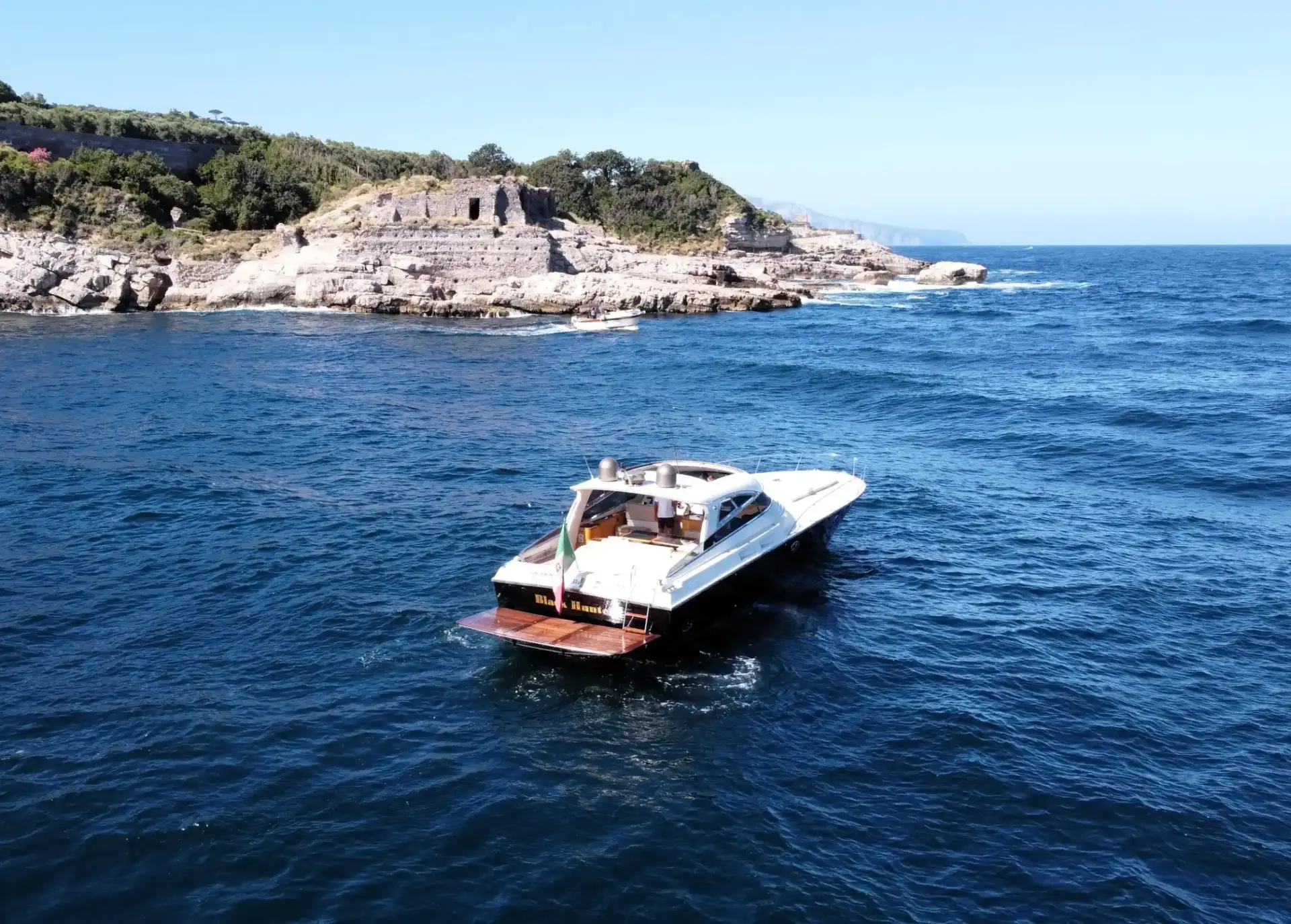
The Mediterranean Advantage: Geography and Culture
The Mediterranean's 2.5 million square kilometers connect three continents and encompass coastline from Spain to Turkey, from France to North Africa. This vast sea contains approximately 46,000 kilometers of coastline dotted with historic ports, secluded anchorages, vibrant cities, and remote islands—creating cruising diversity unmatched anywhere globally.
The distances prove manageable. From the French Riviera to Sardinia: 200 nautical miles. From the Balearics to mainland Spain: 50-100 miles depending on island. From Greece's Cyclades to Turkey's Turquoise Coast: 150 miles. These moderate distances enable varied itineraries without extended offshore passages, appealing to owners preferring coastal cruising while maintaining access to remarkably diverse destinations.
The climate supports near year-round usage, particularly in the Eastern Mediterranean. While most yachts migrate to Caribbean or Southeast Asian waters for winter, the Mediterranean spring extends from April through June, summer runs July-September, and autumn lingers through November. Winter sailing, while less common, remains viable in protected areas and southern latitudes.
Cultural richness distinguishes the Mediterranean fundamentally. The same cruise might encompass Roman ruins in Sicily, Byzantine churches in Greece, Moorish architecture in Spain, Renaissance art in Italy, and Ottoman fortresses in Turkey—connecting passengers with civilizations spanning three millennia. For owners valuing experiential yachting over mere luxury transportation, the Mediterranean offers unparalleled depth.
The VAT Challenge: Understanding Europe's Consumption Tax
No aspect of Mediterranean yacht ownership proves more complex, consequential, or misunderstood than Value Added Tax. VAT represents the European Union's primary consumption tax, applied to goods and services throughout member states at rates typically ranging from 17-25%, depending on jurisdiction. For yacht transactions, VAT typically runs approximately 20%, transforming a €5 million yacht purchase into a €6 million transaction.
Understanding VAT status proves essential. A yacht with "VAT paid" status has had VAT properly paid either at initial EU sale or upon importation from outside the EU. Once VAT paid, the yacht enters "free circulation" within EU waters, moving between member states without triggering additional VAT obligations. Maintaining documentation proving VAT paid status becomes critical—customs officials throughout the EU may request evidence, and lacking proper paperwork can result in VAT assessment, penalties, and potential vessel detention.
For EU residents purchasing yachts, VAT payment typically proves unavoidable. An EU resident buying a new or used yacht without existing VAT paid status incurs VAT obligation at the delivery location's prevailing rate. The only exceptions involve commercial registration (discussed below) or specific leasing arrangements that defer or restructure VAT obligations.
Non-EU residents enjoy different treatment under the Temporary Admission regime. This provision permits non-EU residents to bring yachts into EU waters for up to 18 months without paying VAT, provided certain conditions hold: the owner genuinely resides outside the EU, the yacht is not made available for use by EU residents, and the vessel departs EU waters within the prescribed period. After 18 months outside EU waters, the Temporary Admission period can effectively reset, though manipulating this provision through artificial structures invites regulatory scrutiny.
The complexities multiply. Residency, not citizenship, determines VAT treatment—an American citizen residing permanently in France faces the same VAT obligations as a French national. Conversely, a French citizen maintaining genuine residence in Switzerland might qualify for Temporary Admission. Tax authorities increasingly scrutinize these arrangements, examining actual residence patterns rather than formal documentation.
Certain vessels qualify as "deemed VAT paid" under transitional provisions. Yachts present in EU waters before January 1, 1985, and remaining there until December 31, 1992, are considered VAT paid if proper documentation establishes both dates. Documentation might include surveys, insurance records, registration certificates, or mooring receipts... though assembling convincing evidence for vessels 40+ years old often proves challenging.
The enforcement landscape has intensified. Financial authorities in Italy, France, Spain, Greece, and other major yachting nations conduct regular compliance inspections at marinas and anchorages. Discovering yachts without proper VAT documentation or exceeding Temporary Admission periods can result in immediate tax assessment at full vessel value, substantial penalties (often exceeding the tax itself), and potential vessel seizure pending payment. These consequences prove severe enough that professional advice becomes essential rather than optional.
Commercial vs. Pleasure Registration: Tax Implications
The distinction between commercial and pleasure yacht registration carries profound VAT implications, though the regulatory framework aims to prevent artificial structuring solely for tax avoidance.
Commercial yachts, those genuinely engaged in charter or other revenue-generating activities, can qualify for VAT exemption on the hull purchase, provided they meet specific conditions. The yacht must be used exclusively for commercial activities, maintain commercial registration and appropriate certifications, comply with maritime safety and crewing regulations, and often operate predominantly outside territorial waters or within frameworks specifically permitting commercial VAT treatment.
Malta, Cyprus, and certain other jurisdictions have developed robust frameworks supporting commercial yacht registration with favorable VAT treatment. These schemes require genuine commercial activity—documented charter contracts, professional crew, appropriate insurance, and compliance with commercial yacht codes. The structures permit legitimate charter operations while providing VAT efficiency, but require substantial operational commitment and regulatory compliance.
The Malta Leasing Scheme represents one established approach. Under this structure, a Maltese company purchases the yacht and leases it to the owner, with the commercial operation potentially qualifying for VAT advantages. The arrangement requires genuine economic substance; the Maltese company must be properly capitalized, maintain appropriate records, and operate within regulatory frameworks. When properly structured and genuinely operated, such arrangements provide legitimate VAT efficiency. When improperly structured as tax avoidance schemes, they invite challenge and potential unwinding with retroactive tax assessment.
Pleasure yachts (those used exclusively for private purposes without commercial activity) face full VAT exposure within the EU. No scheme or structure eliminates this fundamental obligation for EU residents using pleasure yachts in EU waters. The only legitimate approaches involve Temporary Admission (for non-EU residents), maintaining the yacht outside EU waters, or accepting VAT payment as the cost of EU cruising.
Flag Registration: Selecting Appropriate Jurisdiction
Flag registration—the national registry under which a yacht operates—represents a separate but interconnected decision from VAT status. The flag determines the legal framework governing the yacht, the maritime authority exercising jurisdiction, and various operational and fiscal implications.
For Mediterranean cruising, several flags dominate due to regulatory recognition, tax treatment, and practical considerations:
Malta has emerged as the largest European yacht registry, offering EU flag status combined with pragmatic administration and attractive tax treatment. The Maltese registry accepts yachts regardless of owner nationality, permits both pleasure and commercial registration, imposes no restrictions on crew nationality, and provides efficient processing—typically 2-3 days for provisional registration while permanent documentation is completed. Malta requires vessels over 15 years undergo inspection, with more stringent requirements for older yachts, but accepts vessels up to 25 years with appropriate approval.
The Maltese registry's tax advantages prove substantial for commercial operations. Yachts registered under the Malta Commercial Yacht Code benefit from exemption from corporate tax, capital gains tax, and withholding tax, provided they meet commercial operation requirements. For pleasure yachts, Malta offers reduced VAT schemes under specific conditions, though these require careful structuring and compliance.
Cyprus provides similar advantages as an EU registry with favorable tax treatment. Cyprus registers vessels of all types, offers some of Europe's lowest registration and management costs, provides exemption from income taxes on international operations, and maintains maritime offices worldwide facilitating international registration. The Cyprus registry ranks among the world's ten largest, providing legitimacy and recognition globally.
Gibraltar offers Red Ensign registration—a designation carrying maritime prestige as part of the British registry family. Gibraltar registration provides straightforward paperwork, five-year validity with easy renewal, similar treatment for pleasure and commercial vessels, and acceptance by financial institutions for mortgages. The requirement for measurement and tonnage survey can be completed in the owner's home jurisdiction, simplifying the process.
British Overseas Territories—including the British Virgin Islands, Cayman Islands, and Isle of Man—provide Red Ensign registration with 0% corporate tax rates, high regulatory standards meeting EU requirements, and established frameworks supporting both pleasure and commercial registration. These jurisdictions appeal particularly to owners seeking non-EU flags while maintaining regulatory credibility for EU cruising.
The flag selection requires balancing multiple considerations. EU flags (Malta, Cyprus) simplify EU cruising and eliminate questions about Temporary Admission, but subject owners to EU tax frameworks. Non-EU flags (Gibraltar, BVI, Cayman) provide tax advantages and greater flexibility but require managing Temporary Admission provisions when cruising EU waters. The optimal choice depends on owner residence, intended cruising patterns, commercial vs. pleasure use, and overall tax planning strategy.
The Brokerage Landscape: Mediterranean Expertise
While major brokerage firms maintain global presence, the Mediterranean market possesses distinct characteristics requiring specialized knowledge. Understanding VAT implications, flag registration nuances, charter licensing requirements across different jurisdictions, and the peculiarities of Mediterranean cruising demands expertise that generalist brokers may lack.
The Mediterranean brokerage community concentrates in several key locations. The French Riviera—particularly Antibes, Cannes, and Monaco—hosts numerous firms serving the Western Mediterranean. Palma de Mallorca has emerged as a major center given the Balearics' popularity and Spain's significant new-build and refit capacity. Athens and surrounding areas serve the Eastern Mediterranean and Greek islands. Italy's various yachting centers (Porto Cervo, Viareggio, and others) support their regions.
The better Mediterranean brokers provide not merely vessel selection assistance but comprehensive guidance on the regulatory framework. They connect buyers with appropriate tax advisors, facilitate flag registration, coordinate survey and inspection processes, and navigate the particular requirements of different Mediterranean jurisdictions. Given VAT's complexity and consequences, brokers with genuine tax and legal expertise prove invaluable.
The European Association of Yacht Brokers and the Association of Brokers and Yacht Agents maintain professional standards and recommend that member brokers obtain proper VAT documentation before listing vessels as VAT paid. Buyers should verify that brokers follow these practices, as purchasing a yacht without proper VAT documentation can prove extraordinarily costly.
Survey and Due Diligence: Mediterranean Considerations
Standard survey practices apply: qualified surveyors, comprehensive inspections, sea trials, and detailed documentation. However, the Mediterranean context introduces specific considerations.
VAT documentation verification becomes paramount. Buyers must confirm VAT status through original VAT invoices (for EU purchases), import documentation (for vessels brought from outside the EU), or appropriate evidence for vessels claiming deemed VAT paid status under transitional provisions. Accepting representations without documentation invites disaster.
For older yachts, establishing VAT status may require extensive documentation research. Survey reports, insurance policies, registration certificates, and mooring records from relevant dates can establish presence in EU waters during critical periods. Maritime lawyers specializing in VAT issues can prove invaluable when documentation proves ambiguous or incomplete.
The survey should address compliance with the flag state's requirements, particularly for commercial registration. Malta, Cyprus, and other registries impose specific survey and inspection requirements based on vessel age, size, and intended use. Identifying compliance issues before purchase enables proper budgeting or negotiating seller remediation.
Mediterranean-based surveyors bring local knowledge regarding common maintenance issues, preferred service providers, and realistic cost projections for Mediterranean yacht operations. While international surveyors certainly possess technical competence, local expertise often proves valuable for operational planning.
Marina and Berthing: Mediterranean Realities
The Mediterranean's popularity creates marina capacity constraints in preferred locations during peak season. The French Riviera, particularly Monaco and surrounding areas, maintains years-long waiting lists for annual berths. Palma, Porto Cervo, and other prestigious locations face similar demand.
Berth pricing reflects scarcity. Prime locations command €800-1,500+ per meter monthly during season, with annual contracts typically running €600-1,000+ per meter monthly. A 30-meter yacht might face €200,000-300,000 annually for premium berthing, before considering utility costs and additional services.
Many Mediterranean yacht owners adopt flexible berthing strategies: maintaining annual berths in preferred locations while using visiting berths elsewhere, anchoring when conditions permit, or positioning yachts strategically based on seasonal patterns. The Eastern Mediterranean generally offers greater berth availability and lower costs than the Western Mediterranean, though infrastructure and services may vary.
Some marinas require proof of VAT paid status before accepting long-term contracts, recognizing that hosting non-compliant vessels creates potential liability. Documentation proving VAT status or valid Temporary Admission becomes yet another operational necessity.
Ongoing Costs: Mediterranean Specifics
General yacht ownership economics apply—insurance, maintenance, crew, fuel, and administrative costs accumulating to approximately 10% of vessel value annually. However, Mediterranean operations introduce specific considerations.
Insurance rates reflect Mediterranean conditions—generally benign weather, sophisticated emergency response, comprehensive repair facilities, but also high-value concentration areas. Annual premiums typically run 0.8-2% of insured value, with lower rates for better-maintained yachts, experienced owners, and comprehensive safety systems.
Maintenance and refit costs in the Mediterranean span wide ranges. Italian and French yards command premium rates but offer exceptional craftsmanship. Spanish facilities provide excellent value, particularly in Valencia and Palma. Turkish yards offer competitive pricing with surprisingly high quality for many operations. Greek facilities vary considerably. The key lies in matching facility capabilities to required work: hauling for bottom cleaning requires less than structural work or comprehensive refits.
The Mediterranean hosts world-class shipyards capable of any conceivable repair or modification. This concentration means competitive pricing for routine work and exceptional capabilities for complex projects. Yet it also means expensive labor rates in premium locations, with skilled trades commanding appropriate compensation.
Crew considerations depend on yacht size and operation. Professional crew familiar with Mediterranean cruising grounds, multilingual capabilities, and cultural awareness prove valuable. Crew costs follow standard maritime frameworks, though Mediterranean-based crew may expect slightly different benefit structures than Caribbean or American-based counterparts.
The Mediterranean Cruising Experience
Beyond acquisition logistics and regulatory compliance lies the fundamental reward: the Mediterranean itself. Understanding what Mediterranean cruising offers helps prospective buyers evaluate whether the region's complexities justify the commitment.
The Western Mediterranean encompasses the French and Italian Rivieras, the Balearic Islands, Corsica, Sardinia, and the Tyrrhenian coast… arguably the world's most developed luxury yachting infrastructure. Distances between major centers remain modest, ports and marinas abound, and the concentration of restaurants, hotels, and cultural attractions creates unmatched coastal luxury.
The Adriatic, particularly Croatia, has emerged as a major destination. The Croatian coastline extends over 1,700 kilometers with more than 1,200 islands, offering spectacular scenery, well-preserved medieval towns, and excellent value compared to Western Mediterranean equivalents. Croatia's EU membership simplifies regulatory compliance while its infrastructure continues developing rapidly.
The Greek Islands constitute one of sailing's iconic destinations. The Cyclades, Dodecanese, Ionian Islands, and Aegean archipelago offer thousands of islands, deep maritime history, spectacular scenery, and genuine cultural immersion. Greek infrastructure continues improving, though remains less developed than Western Mediterranean equivalents. For owners valuing authentic experience over pure luxury amenities, Greece delivers incomparably.
Turkey's Turquoise Coast combines spectacular scenery with excellent infrastructure and remarkable value. Turkish marinas and yacht services offer high quality at reasonable prices, while the coastline itself provides stunning anchorages, historic sites, and welcoming culture. Turkey's non-EU status introduces certain administrative considerations but also provides VAT advantages for appropriately structured operations.
Fiscal Representation and Professional Support
The complexity of Mediterranean yacht ownership, particularly VAT compliance, charter licensing, and multi-jurisdiction operations, has spawned an industry of specialized service providers offering fiscal representation, administrative support, and regulatory compliance.
Fiscal representatives act as liaisons with local tax authorities, handling VAT registration, tax filings, and correspondence with regulatory agencies. For yachts operating across multiple jurisdictions (chartering in Greece, wintering in Turkey, refitting in Spain) fiscal representation becomes virtually essential. These representatives monitor regulatory changes, ensure timely filing of required documentation, and provide buffer between owners and bureaucratic complexity.
The costs of fiscal representation, typically several thousand euros annually depending on services and jurisdictions, pale compared to potential penalties for non-compliance. A missed VAT filing, improper documentation during customs inspection, or inadequate response to tax authority inquiries can trigger consequences vastly exceeding professional fees.
Yacht management companies provide comprehensive operational support, from crew management and maintenance coordination to regulatory compliance and administrative services. For owners who view their yacht as a platform for enjoyment rather than an administrative project, professional management transforms ownership from burden to pleasure.
Conclusion: Navigating Mediterranean Complexity
Purchasing a yacht in the Mediterranean offers access to the world's premier cruising grounds, exceptional infrastructure, unmatched cultural richness, and the satisfaction of participating in maritime tradition extending millennia. The region's advantages (both tangible and intangible) justify its position as the crown jewel of global yachting.
Yet these advantages come with complexity. VAT obligations, flag registration decisions, charter licensing requirements, and the intricate regulatory framework governing EU waters demand careful navigation and professional guidance. Shortcuts prove expensive; proper planning proves invaluable.
The essential counsel for prospective Mediterranean yacht buyers mirrors that for yacht buyers generally, though amplified by European complexity: engage qualified professionals early, understand regulatory frameworks thoroughly, document everything scrupulously, and maintain realistic expectations about both costs and compliance requirements.
The Mediterranean rewards those who approach it properly: with appropriate preparation, professional support, and genuine appreciation for the privilege of cruising these historic waters. For buyers who navigate the complexity successfully, the Mediterranean offers yachting experiences unmatched anywhere on earth: combining natural beauty, cultural depth, operational excellence, and maritime heritage into something approaching perfection.
Related Articles
Continue exploring related topics and deepen your understanding
This guide covers the best vessels across every major liveaboard category in 2026
This guide explains every major vessel type you will encounter
Learn how modern buyers are no longer finding their yachts on listing platforms.
Learn how flag selection interacts with ownership, tax residence, crew employment, and more.
Learn how different yacht marketplace platforms stack up according to seller and dealer needs.
The right role for a 3D tour in a remote purchase process is pre-qualification, not due diligence.