
How to Take High-Converting Yacht Listing Photos (Even With a Smartphone)
Learn how to take higher-quality listing photos of your yacht.


In the digital world of the yacht market today, listing photos do far more than "support" a sale. They define it
Before your buyer has read any word of your description, before they have ever scrolled through the specifications or asked about engine hours, they have made an instant judgment based on photos alone. That decision occurs in a matter of seconds. If the images fail to generate interest, credibility and emotional pull immediately, then the listing gets skipped.
This is true whether you're selling a center console, a cruising sailboat or a high-end motor yacht. On YachtWay and yacht listing platforms, buyers will see multiple listings side by side. Photos decide which ones are going to get attention and which ones never get opened.
Why Photos Matter More Than Any Other Listing Element
Multiple studies done by industry and brokerage companies consistently demonstrate the same trend: listings with good quality professional photography sell faster and closer to the asking price than those with poor visuals.
Bad photography sends the wrong message. Dark images, cluttered interiors, awkward angles or missing spaces indicate neglect, uncertainty or hidden problems, regardless of the condition of the yacht itself. Buyers don't pause to give the benefit of the doubt. They just move on to the next listing.
Strong photography does just the opposite. It helps to build trust, imply careful ownership and encourage buyers to continue reading, request details or schedule a showing. This is as much true for listings on brand pages, regional listings such as Miami yachts for sale, and general browsing categories such as used boats for sale.
The good news is that high converting photos do not require expensive equipment or a professional photographer. Modern smart phones are up to the task. What is important is how you use them.
The difference between amateurs taking snapshots and photos that actually convert buyers comes down to preparation, understanding the psychology of buyers, and what to shoot and why.
Understanding What Makes Listing Photos Convert
Before you ever go to pick up your phone or camera, it's important to understand what buyers are actually looking for when they look at listing photos. Conversion isn’t accidental. It follows a predictable pattern.
First Impressions Decide Everything
Your lead photo is the most important picture in all your listings.
It is often viewed 10 to 20 times more than any of the other images in the gallery. This one photo determines whether a buyer clicks in the listing or scrolls past it.
A good strong lead photo usually:
- Shows the full yacht clearly
- Uses clean and flattering angles
- Is well exposed and properly lit
- Has a background that is not cluttered
- Has an intentionality and confidence
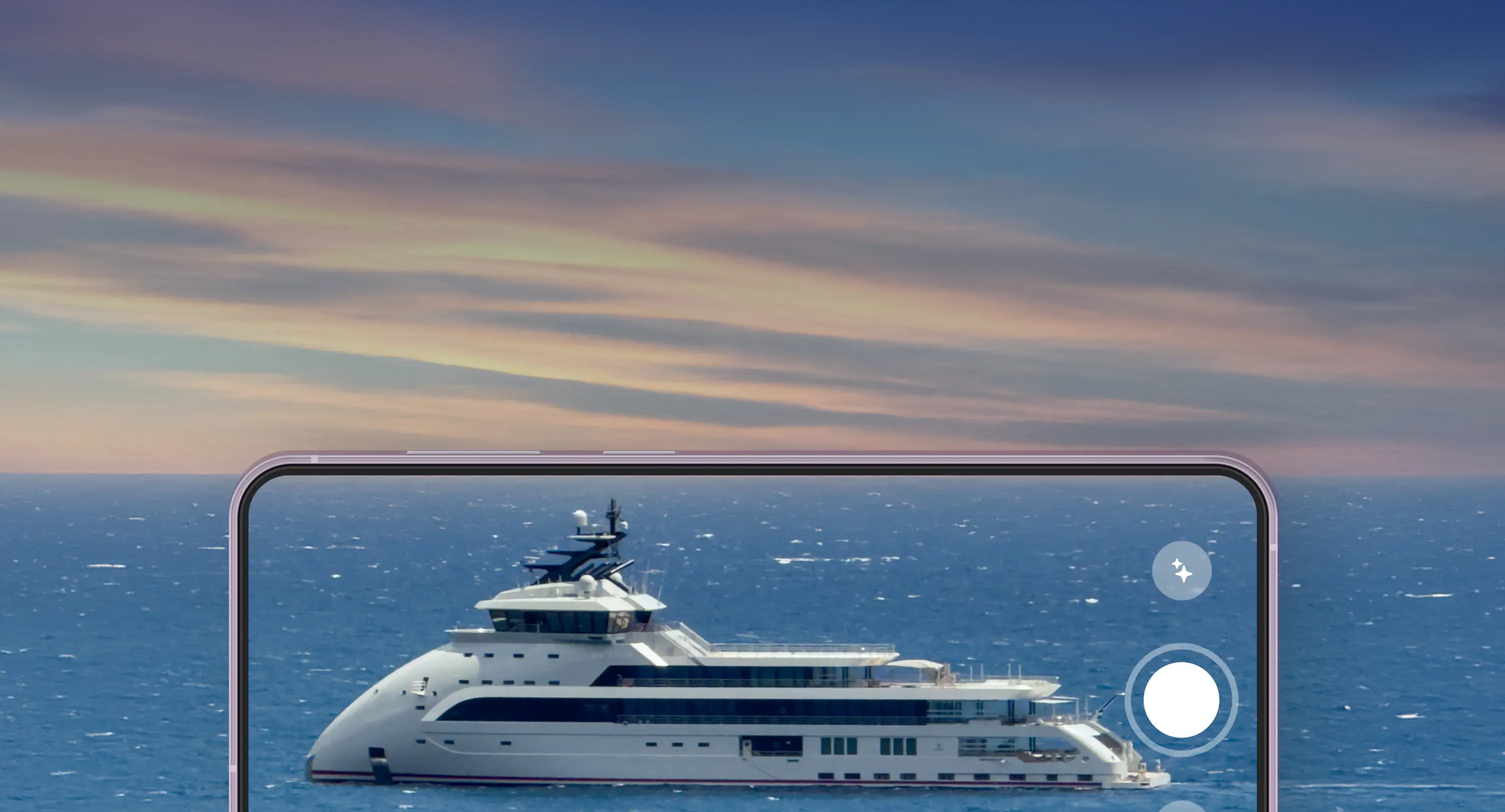
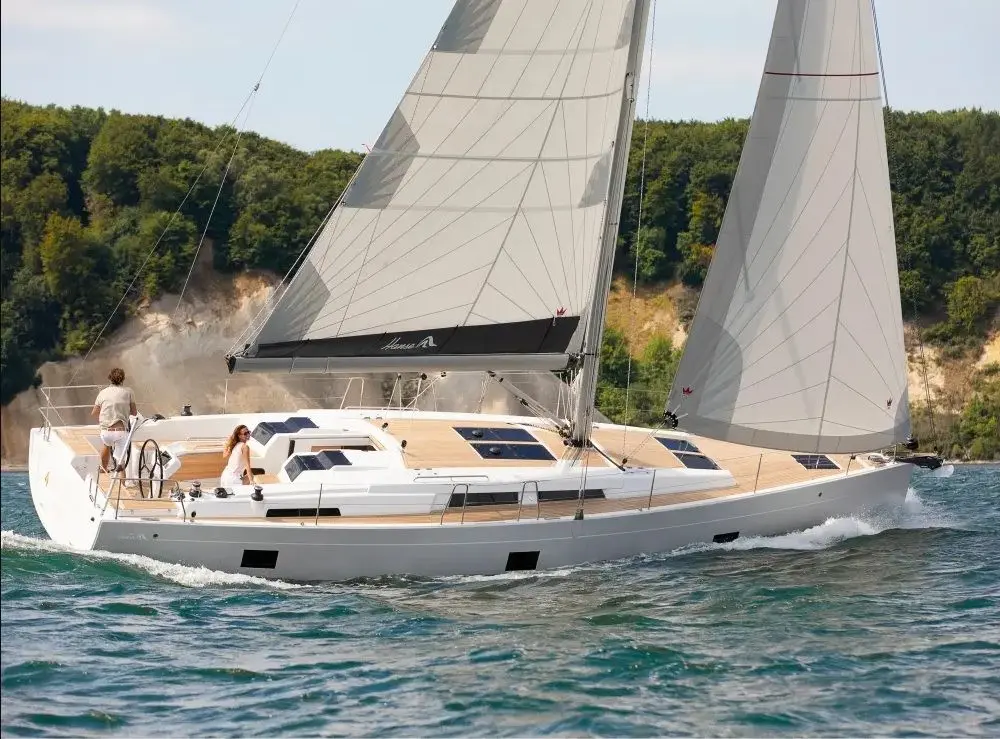
For most yachts, the best lead photo is a clear profile or three-quarter exterior shot showing the entire vessel in one shot. Buyers expect to have clarity instantly. They want to know the size, style and general state of condition at a glance.
Think of the lead image as the storefront window to your listing. If it doesn't stop someone in their tracks, the rest of the photos will not matter.
This is even more important in competitive categories such as speed boats for sale where buyers are quick to scroll and make quick comparisons.
Telling the Complete Story
Once the lead photo attracts attention, buyers expect the rest of the gallery to answer questions and not create new ones.
A good listing photo set is a logical and complete story of the yacht from bow to stern, outside to inside, living spaces to mechanical spaces. The majority of serious buyers expect to see:
- Multiple exterior angles
- Cockpit and deck spaces
- Salon and main living areas
- Galley from above more than one angle
- All cabins and heads
- Helm and Navigation stations
- Engine room, mechanical spaces
For the majority of yachts this translates into between 25 to 40 photos. Larger vessels may need more.
Missing spaces are red flags. If the engine room is not displayed, buyers assume there is a reason. If cabins are skipped, the condition is questioned. The lack of apparent areas brings uncertainty, even if the yacht is entirely sound.
Good photos don’t oversell. They address buyer issues before buyers ask.
Creating an Emotional Connection
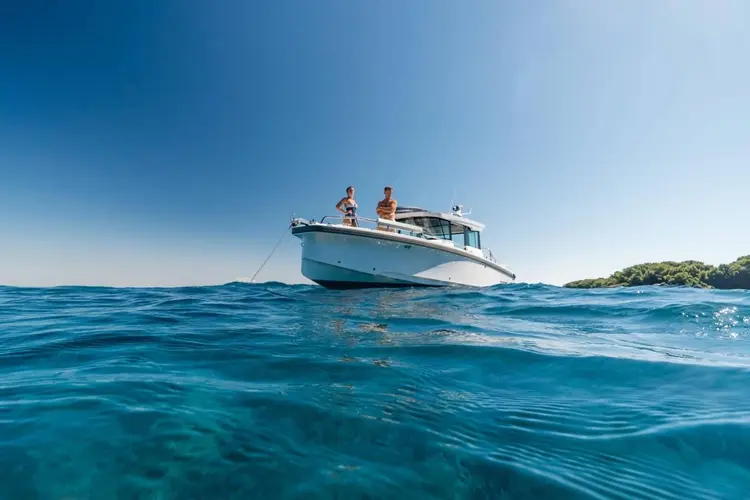
The best listing photos don’t just document a yacht. They help buyers to imagine ownership.
Buyers want to imagine they are on board. Relaxing in the salon. Entertaining in the cockpit. Cruising at sunset. Spending weekends or longer voyages in comfort.
This doesn't require models or staging one's lifestyle. It comes from:
- Clean, inviting spaces
- Natural light
- Thoughtful composition
- Clear views of the flow of spaces together
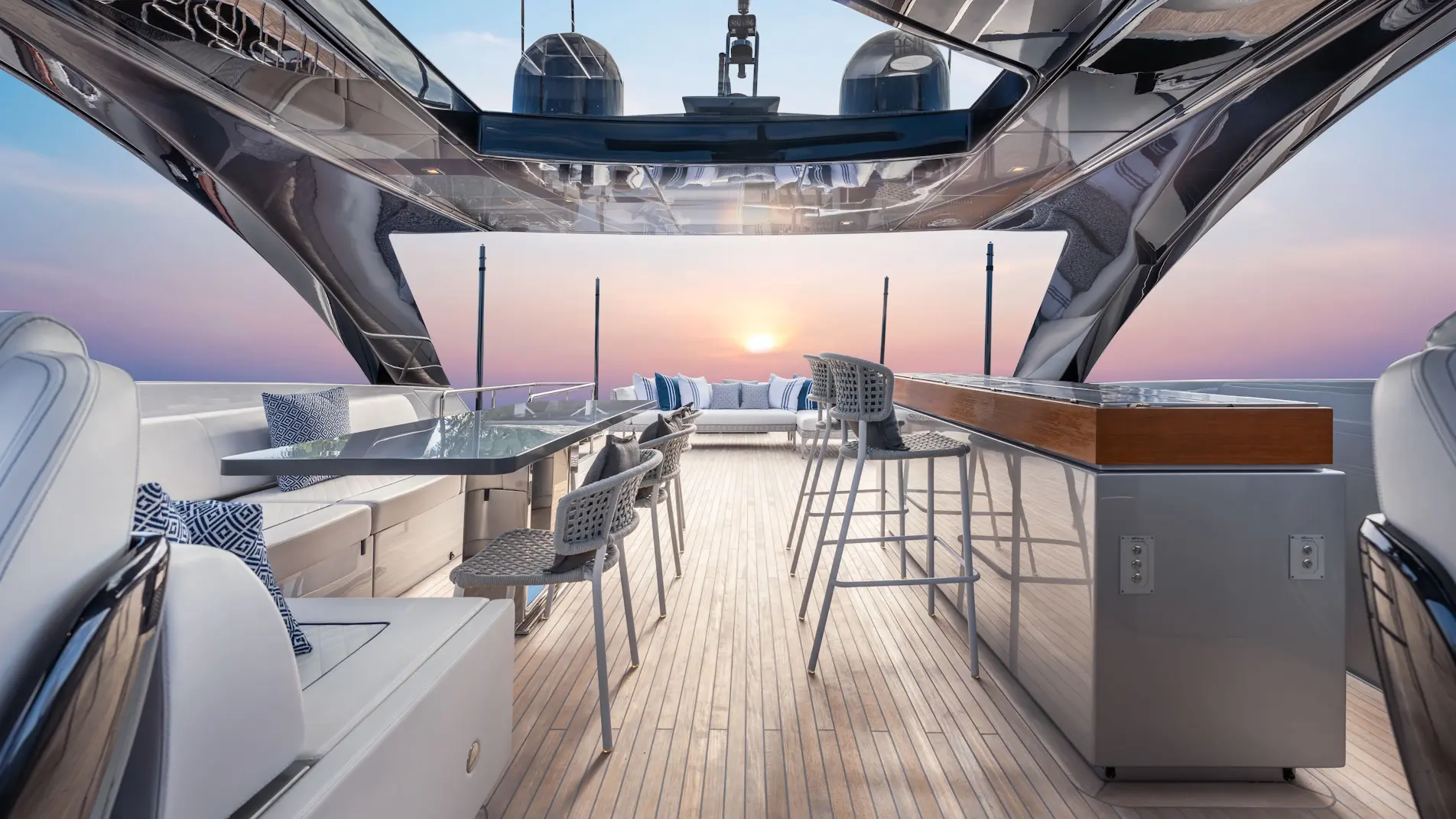
A properly staged cockpit is welcoming. A bright salon feels livable. A clean cabin feels restful. These emotional cues are important, particularly with buyers who are comparing multiple options at the same price point.
Strong emotional connection is one reason why professionally presented listings often work better on high-value brand and brokerage pages such as YachtWay’s landing page, where buyers have higher expectations.
Honesty Builds Trust and Saves Time
High converting photos tell the truth.
They feature the yacht absolutely to its best, but they don't misrepresent condition, hide damage or distort size. Eventually buyers will get a chance to see the yacht in person. When photos are consistent with the real world, trust develops. When they don't, deals are lost.
The point is that you do not want to hide flaws. It’s to:
- Clean
- Organize
- Light properly
- Show spaces clearly
- Present the yacht accurately
Honest photos attract serious buyers and reduce wasted showings.
Preparation: Where Great Listing Photos Actually Begin
The quality of your photos is determined a long time before the camera comes out. Preparation is the biggest factor that separates the amateur listings from the professional ones.
Deep Cleaning and Detailing
Routine cleaning is not enough. Listing photos need to be shown ready.
On the exterior:
- Wash and wax the hull
- Clean the windows and ports, until completely clean
- Polish stainless steel and hardware
- Clean or replace canvas and cushions
- Coil and stow lines neatly
- Remove fenders and dock lines if possible
On the interior:
- Deep clean upholstery, carpets
- Polish wood surfaces
- Make all bunks using clean neutral linens
- Completely clear galley counters.
- Scrub heads until they look unused
- Organize lockers and visible storage
Buyers make care and maintenance judgments subconsciously. A spotless yacht photographs better and signals responsible ownership.
Decluttering and Depersonalizing
Personal items make listings more difficult to sell. But some people aren't sure what items comprise "personal". So, wherever possible:
Remove:
- Family photos
- Toiletries
- Clothing
- Papers
- Books
- Loose electronics
- Decorative clutter
The yacht should feel like a showroom not a space where someone lives. Clean surfaces allow buyers to concentrate on layout, space, and condition and not the current owner. It also helps prevent any accidentally negative signals. Many people would consider books, for example, harmless and tasteful staging. But different people have different interests, ideals, and experiences, and even loose books make potential buyers walk away with impressions. A fine collection of leather-bound classics may give a young buyer the impression that the accommodations are stodgy and dated; a couple souring seeing titles or authors they mislike may focus more on that than the rest of what they see.
Especially in competitive markets, it's important to give your vessel every possible edge. When in doubt, always remove more than you think necessary.
This is particularly important to buyers who may be browsing remotely and comparing financing options through resources such as YahWay boat loans, where the decision-making process starts online.

Light Staging for Visual Appeal
Once clutter is eliminated, subtle staging can elevate photos without appearing artificial.
Simple touches work best:
- Neatly set salon table
- Fresh towels in heads
- Cushions arranged evenly
- Galley surfaces clean and uncluttered
- Doors and hatches open for light
The goal is calm, clean, and inviting. Anything that can be a distraction should be removed.
Timing, Weather, and Patience
Great photos come in good conditions.
Plan photography for:
- Clear or lightly cloudy skies
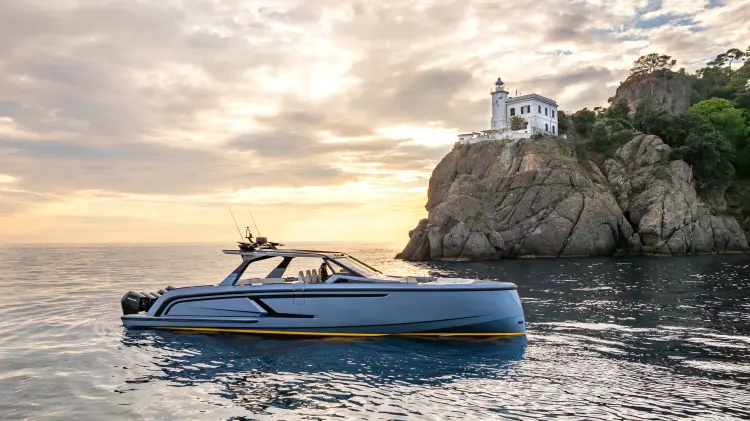
- Light in the morning or in the late afternoon
- Calm water when possible
- Clean, uncluttered background of marinas
Before setting a shoot time, check trusted marine forecasts from the National Oceanic and Atmospheric Administration to ensure light, wind and visibility conditions.
Avoid shooting on gray overcast days unless it is absolutely necessary. Flat light makes everything appear dull and lifeless. Waiting for the right conditions is often the difference between average photos and standout photos.
Good photography rewards patience.
Mechanical Spaces Matter Too
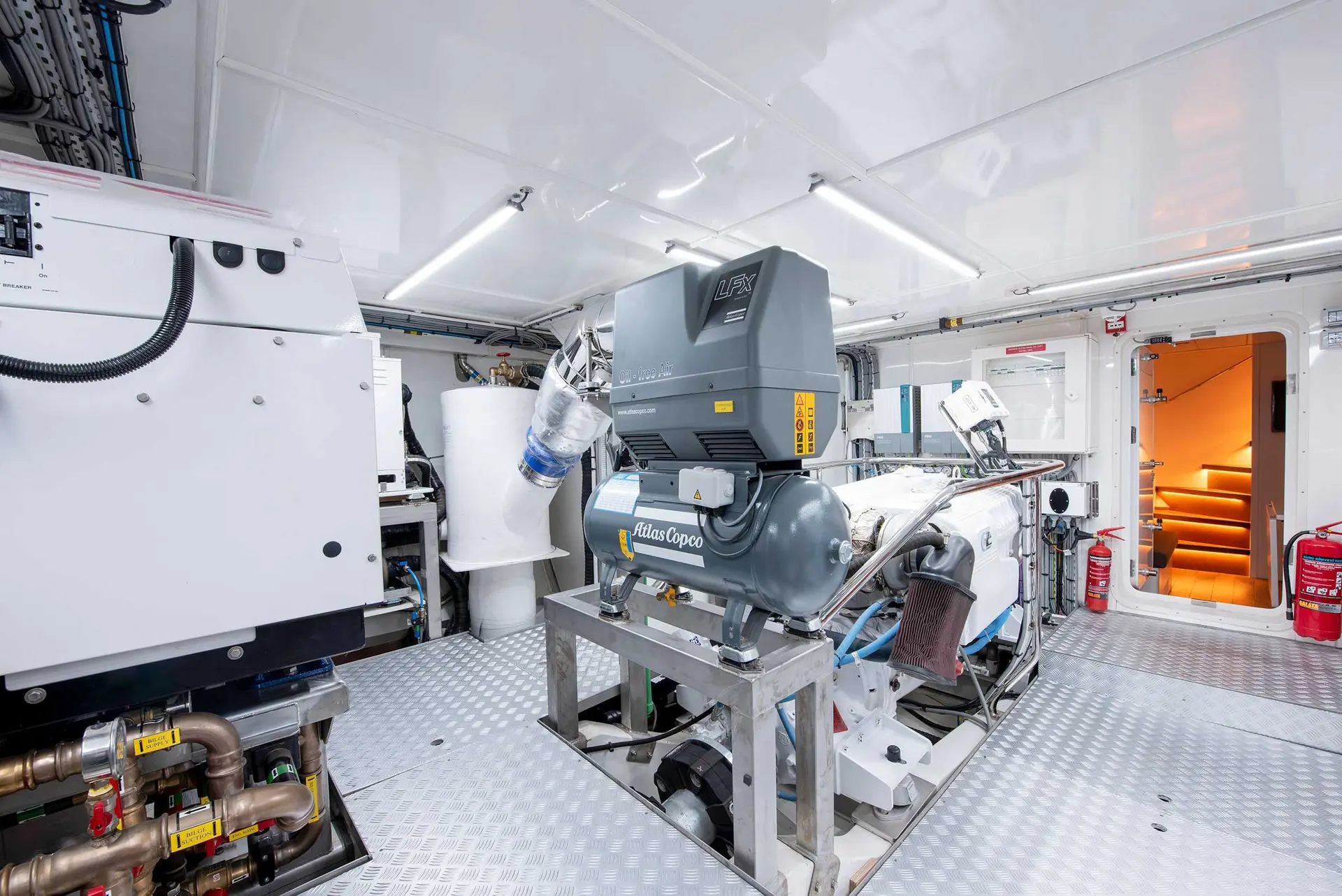
Engine rooms and systems should never be skipped ony used vessels. To be clear: this is not a selling feature of the yacht... but good, clean, images of pristine engine rooms can make a big difference in the confidence a buyer feels that a yacht has been well-maintained. Remember, your buyer will step onboard multiple yachts that they want. That small feeling of confidence can absolutely be what makes or breaks a sale.
Before photographing:
- Wipe down engines
- Clean bilges
- Organize wiring and hoses
- Bring additional lighting if necessary
A clean engine room conveys competence and caring. Many surveyed buyers rate overall condition based on mechanical spaces alone, and that opinion is highly influenced by their appearance.
Camera Fundamentals and Exterior Photography
Once you have your yacht fully prepared, staged and ready to go, the next step is knowing how to actually go about using your camera or smartphone effectively. Equipment is much less important than technique, but there are a few things that will make a world of difference.
You do not have to be a photographer. You do have to slow down and be deliberate and have to understand how your camera sees the boat.
Smartphone Camera Settings That Matter
Modern smartphones can more than do the job of creating listing-ready images if used correctly.
Before you start shooting:
- Enable HDR mode to balance bright skies and darker interiors
- Turn off digital zoom completely
- Activate grid lines to help with composition
- Tap the subject to lock focus and exposure
- Slightly lower exposure in bright sunlight to avoid blown highlights
Always clean the lens before taking a photo. A fingerprint or a pocket lint will soften every image and make photos appear hazy, even in perfect light.
If your phone can be controlled manually, don't add unnecessary filters. Natural images process better than heavily processed images.
Dedicated Camera Basics (If You’re Using One)
If you're using a DSLR or mirrorless camera, keep things simple:
- Use aperture priority mode
- Set aperture between f/8 and f/11
- Keep ISO as low as possible
- Enable image stabilization if available
- Shoot in RAW if you know how to edit it
A tripod is useful for doing interior shots and for low light conditions, however it's not essential to outdoor daylight photography.
Composition: Why Angles Matter More Than Gear
Composition is what makes the difference between snapshots and list of photos.
Strong composition:
- Keeps horizons perfectly level
- Avoids cutting off key parts of the yacht
- Uses natural lines to guide the viewer’s eye
- Shows scale accurately without distortion
Use the rule of thirds loosely. Don’t center everything. Let the yacht breathe in the frame. Leave space around it to allow buyers to clearly understand size and proportions.
Tilted horizons, awkward framing and cropped bows or sterns are instantly recognizable signs of amateur photography.
Exposure and Light Control
Most cameras set their exposures reasonably well automatically, but boats create challenges: bright sky, against reflective water, dark interiors.
For exteriors:
- Expose for the yacht, not the sky
- Avoid silhouettes
- Preserve hull detail and color
For interiors:
- Expose for windows and bright areas
- Let shadows fall naturally
- Avoid blown-out highlights
If your photos are looking dull or gray, increase exposure slightly. If skies appear white and dead, minimize exposure.
Buyers subconsciously link bright balanced pictures to well maintained yachts.
Focus and Sharpness
Sharpness is non-negotiable.
Before proceeding, zoom in on your pictures and check:
- Text on instruments
- Edges of cabinetry
- Hardware details
If the images are not sharp, retake. Blurry photos show carelessness and lack of trust. Use two hands. Brace against rails or bulkheads. Slow down. One good photo is better than five rushed photos.
Shooting the Exterior the Right Way
Exterior images form first impressions and anchor buyer perception of the yacht.
The All-Important Profile Shot
The full profile shot is normally your leading image.
To get it right:
- Take a step back far enough to include the entire vessel
- Shoot from approximately waterline height
- Keep the horizon level
- Remove fenders, docking lines and clutter if possible
- Choose a clean background
Morning and late afternoon light cause the depth and dimension. Harsh midday sun flattens the lines and casts unflattering shadows.
Take many variations. Move slightly forward, backward, higher and lower. Small changes make a big difference.
This one image often makes or breaks whether your listing will effectively compete with the other listings on the used boats for sale pages on YachtWay.
Additional Exterior Angles Buyers Expect
Apart from the profile, buyers want complete exterior walkthrough in photos:
- Bow quarter looking aft
- Stern quarter showing cockpit and transom
- Direct bow shot
- Elevated angles if safely accessible
Each angle should be purposeful and clean. It is recommended to avoid dramatic angles, which would distort the shape of the yacht.
Cockpit, Decks, and Outdoor Living Spaces
Lifestyle is sold through outdoor areas.
Photograph:
- Cockpit seating from multiple angles
- Helm stations clearly
- Swim platform and ladder
- Flybridge or upper helm if present
- Foredeck and anchor area
Arrange cushions evenly. Open canvas when possible. Remove clutter completely.
Buyers shopping around for similar listings (especially performance or day boats on pages such as speed boats for sale) are highly responsive to clean, attractive deck pictures.
Detail Shots That Add Confidence
Detail images reinforce quality.
Include:
- Deck hardware
- Helm electronics
- Cleats, rails, and fittings
- Teak or synthetic decking
- Specialized equipment (fishing gear, davits, tenders)
These images need not be artistic. They need to be transparent and truthful. They assure the buyers that the yacht is well-equipped and well-maintained.
Showing Water Access and Use
If the yacht includes:
- Swim platforms
- Boarding ladders
- Tender garages
- Water toy storage
Photograph them clearly.
Buyers want to visualize how they're going to be using the yacht, not just how it looks at the dock.
Take Your Time Outside
Exterior photography helps set the expectations for the rest.
Rushing external shots is one of the most common mistakes that sellers make. If the outside is average, the buyers predict the interior to be worse.
Take your time. Adjust angles. Wait for clouds to move. Re-shoot until the yacht looks like the asset that it is.
Mastering Interior Photography
Interior photos are the hardest to sell for most sellers. Tight spaces, mixed lighting, and wide-angle distortion can make even a clean yacht appear cramped or uneven if you shoot in a casual manner. A little technique goes a long way here.
Using Available Light
Use the natural light as much as possible. Open hatches and ports for the cabins to be brightened. Open the doors of salons to access more light. Turn on interior lights, but do let daylight do most of the work.
Watch for harsh sun patches. Direct beams across a settee/berth appear distracting and burn out detail. If you see that happening, wait until the light becomes softer or adjust your angle.
On cloudy days, you'll need to use more artificial light, but natural light still is likely to produce the most flattering interior images.
The Wide-Angle Challenge
You need to give an interior a wide-angle view, so you can show it properly. Most smartphones are already wide enough. If you are using a dedicated camera, then a range of 16-24mm (full-frame equivalence) is usually good to go with.
Wide angles have the potential to distort straight lines and make space look larger. Keep the camera level and do not tilt up or down which gives the "falling walls" effect. Shoot out of doorways and the openings to passages to get distance. Where possible, try shooting from corners which will capture the full lay out in one frame.
Some distortion is normal and to be expected in yacht interiors. Extreme distortion is sloppy and feels misleading.
Salon and Main Living Spaces
The salon sells the lifestyle. Shoot it from more than one angle to make sure buyers know the flow. Stage the table with a few tasteful items. Straighten cushions and keep surfaces clean. If the helm is in visual communication with the salon, show that view. Include angles which indicate the connection of galley and salon.
Try to go for a bright, open and comfortable feel. Multiple angles will help buyers "walk" the space in their mind.
Galley Photography
A galley must appear clean, modern and usable. Photograph it from various angles to allow buyers to view counters, appliances and storage. Clear everything off of the counters. Polish surfaces until they reflect light cleanly. If cabinet interiors are neat, leave one or two open so that you can show storage.
Show the refrigerator and freezer clean and empty. A sloppy galley photo puts buyers off fast, even if the rest of the yacht has a high appearance. Galley prep should be a priority.
Cabins and Sleeping Spaces
Cabins should be like a well-kept hotel room. Make berths up with fresh linens. Neutral solids tend to photograph better than busy patterns. Fluff pillows. Remove all personal items. If closets and lockers look neat, open the door to reveal storage.
Take at least two angles per cabin so that buyers can understand the sleeping layout and the usable floor space. Make sure the lighting is warm and clear and not dim.
Head Photography
Heads need to look spotless. Clean until all surfaces are shiny. Take away toiletries and personal items. Add fresh rolled towels to make the place feel intentional and cared for. If the shower appears to be excellent, open it up so that buyers can see it clearly. Polish mirrors and fixtures.
Buyers zoom in on head photos. If they see grime, staining, or neglect here, they presume it's everywhere.
Engine Room and Mechanical Spaces
Many sellers avoid engine room photos, but usually, they hurt the listing. A clean engine room is indicative of disciplined ownership and builds trust fast.
Before using engines and equipment for shooting, wipe them down. Clean bilges. As far as practical, straighten out hoses and wiring. Carry additional lighting in case the space is dark. Portable LED work lights help a lot.
Take wide angles to show the entire space and then close ups of engines, generators, heavy systems. Strong engine room photos distinguish the serious listings from the sellers who look like they are hiding something.
Advanced Techniques for More Professional Results
Once you've figured out the basics, there are just a few advanced techniques that can take your listing photos from "good" to truly professional. These aren't mandatory, but if done correctly they can have a noticeable effect in improving response from buyers.
Using HDR Photography Wisely
High Dynamic Range photography is the method of making cameras capture details in high bright and dark areas of the same image. Most of the current smartphones have HDR activated automatically while dedicated cameras have exposure bracketing capability which can later be merged in editing software.
HDR is particularly helpful for shots taken inside buildings where brightly lit windows are contrasted with the darker cabins, or outside in situations where sky detail is easily lost. When done right, HDR helps photos look more balanced and real.
Avoid pushing HDR too far. Overprocessed images appear artificial and they immediately reduce trust. The goal is natural clarity, not dramatic effect.
Twilight and Low-Light Photography
Twilight photography can be used in a selective manner to create dramatic and emotionally appealing images. These shots are best taken just after sunset just as the sky still has colour, and the lights inside buildings begin to glow.
Switch on all the interior and exterior lights. Use a tripod, and expose carefully so as not to ruin the color of the sky. Twilight photos are excellent supplemental photos, but are not typically as good as a well-lit daytime profile shot as a lead image.
Aerial and Elevated Angles
Aerial photography provides views that buyers rarely see and can help them understand the layout, flow of the decks and context of the marina. If you use a drone, follow all the rules of aviation and marina, including the FAA rules for recreational drone pilots, and only fly if you're experienced.
Top-down shots of deck layouts and elevated angles of the yacht at rest can add value. Poorly flown or illegal drone footage, instead, does the opposite. If in doubt, skip it.
Detail and Close-Up Shots
Close-ups of quality materials and craftsmanship help to add credibility. Photograph joinery, upholstery stitching, helm electronics, hardware and unique features.
These images help to reinforce perceived value and help buyers understand why your yacht is different. Keep them sharp, well-lit and honest.
Short Video Walkthroughs
While still photos are the most important sales tool, short videos can take them hand in hand. A simple walk-through shot (done on a smartphone) moving slowly through the yacht allows buyers to understand the layout and flow.
Keep videos short, slow and unedited. Don't have loud background noise or fast movements. Think of video as supporting material, not a substitute for good photography.
Editing and Post-Processing
Almost all photos are improved by light editing. This does not mean manipulation. It means refinement.
Basic Adjustments That Matter
Start with simple corrections:
- Straighten horizons and vertical lines
- Crop to improve composition
- Adjust exposure for brightness
- Add modest contrast
- Correct white balance for natural colors
- Apply light sharpening
Smartphone applications such as Snapseed or Lightroom Mobile are quite adequate. Desktop applications such as Lightroom or Capture One are more flexible if you want to edit on your computer.
Fixing Common Issues
Use editing tools to:
- Use editing tools to:
- Lift overly dark shadows
- Reduce blown highlights
- Neutralize yellow or blue color-casts
- Eliminate minor distractions such as dust or reflections
Avoid editing out real flaws. Buyers expect honesty.
Keep Editing Subtle
If your edits are obvious, you have gone too far. Photos should be clean, realistic and believable. Over-editing is suspicious and destroys credibility.
Maintain Visual Consistency
Edit all the images similarly to make the set cohesive. Inconsistent color tone or contrast gives the air of disorganization and amateurism to listings.
What You Should Never Do
Never alter photos to misrepresent conditions. Don't eliminate damage buyers will see in person. Don’t use dramatic filters. Don't distort spaces to make things look bigger.
The goal is trust. Attractive honesty always beats deceptive polish.
Organizing Your Photo Set for Maximum Impact
How photos are ordered is important as much as how the photos are taken.
Ideal Photo Sequence
- Best exterior profile shot
- Additional exterior angles
- Cockpit and deck spaces
- Salon and main living areas
- Galley
- Cabins and heads
- Engine room and mechanical spaces
- Detail shots
This creates a natural visual walkthrough of the same sort that mirrors an in-person showing.
Choosing the Right Lead Photo
Your lead image gets much more views than any other photo. It determines whether buyers will click or scroll past.
Select the best profile image that is the cleanest, brightest, and best composed. If any photo needs the help of a professional, it's this one.
Test various photos of your lead, if there is low engagement. Small changes can have noticeably big results.
How Many Photos Are Enough?
- Under 40 feet: 20–30 photos
- 40–60 feet: 30–40 photos
- Over 60 feet: 40–50 photos
More is not better if the quality is reduced. Only include images which add value.
Captions That Help, Not Hype
Simple captions explain to buyers what they are looking at:
“Master stateroom looking forward”
“Engine room with twin Caterpillar diesels”
Don't use sales language in captions. Let the images speak.
Common Listing Photo Mistakes
Poor Lighting
Dark photos kill listings. If the lighting isn't right then wait or fix it. Never post dim images in the hope that buyers will not notice them.
Visible Clutter
Clutter signals neglect. Buyers assume poor presentation is indicative of poor maintenance.
Awkward Angles
Extreme angles are confusing to buyers and unprofessional. Keep the perspectives natural and level.
Inconsistent Quality
One poor photo will bring down an entire listing. Retake weak shots instead of including them.
Missing Expected Photos
Skipping the engine room or galley raises red flags. Even imperfect spaces should be shown honestly.
Over-Editing
Heavy filters reduce trust. Subtle enhancement always wins.
When Hiring a Professional Makes Sense
Professional photography is often worthwhile for:
- Higher-value yachts
- Sellers short on time
- Listings struggling to attract interest
Marine photographers often charge anywhere from $500 - $2,000, and most of the time, this is returned with faster sales or higher offers.
Some sellers hire professionals to shoot exterior shots and do interiors themselves, a balance between cost and quality.
Remember: Photography Is a Sales Tool, Not a Detail
High quality listing photos are not an aesthetic upgrade. They directly influence the way buyers perceive value, condition and credibility. Before a buyer reads specs, asks questions, or schedules a showing, your photos have already done most of the selling (or just as likely pushed them away).
Strong photography is an indication of care, transparency and pride of ownership. Weak photography implies shortcuts, deferred maintenance or something to hide. That judgement occurs instantly and subconsciously.
You do not need the expensive gear or a professional background to get this right. You need prep, you need patience and you need to know what buyers want. Clean thoroughly. Declutter aggressively. Shoot in good light. Show every space honestly. Take the extra time to get sharp, well-composed images that feel calm, clear and intentional.
When you show your yacht off properly, buyers stay longer on your listing and ask better questions, plus they come to showings already interested instead of suspicious. That reduces time to market and gives you an upper hand when negotiating
If you're looking to purchase or sell a yacht and need information beyond mere surface-level advice, you can check out YachtWay.com. It's a modern yachting platform designed to assist both buyers and sellers to make informed decisions with access to listings, resources and expert insight in every stage of the process.
Good photos do not just show a yacht. They tell buyers that you've taken the sale seriously. And in today's market that difference is important.
Related Articles
Continue exploring related topics and deepen your understanding
This guide covers the best vessels across every major liveaboard category in 2026
This guide explains every major vessel type you will encounter
Learn how modern buyers are no longer finding their yachts on listing platforms.
Learn how flag selection interacts with ownership, tax residence, crew employment, and more.
Learn how different yacht marketplace platforms stack up according to seller and dealer needs.
The right role for a 3D tour in a remote purchase process is pre-qualification, not due diligence.