
How to Work With a Yacht Broker (And Why You Should)
A skilled yacht broker acts as a project manager, strategic advisor and more.


Buying or selling a yacht simply isn't a casual transaction. It involves significant capital, complex documentation, technical evaluations, negotiations, and often cross-border considerations. A yacht broker exists to guide you through this process, protect your interests, and reduce both financial and operational risk. Understanding how to work with a yacht broker, and why their role matters, can make the difference between a smooth acquisition and a costly mistake.
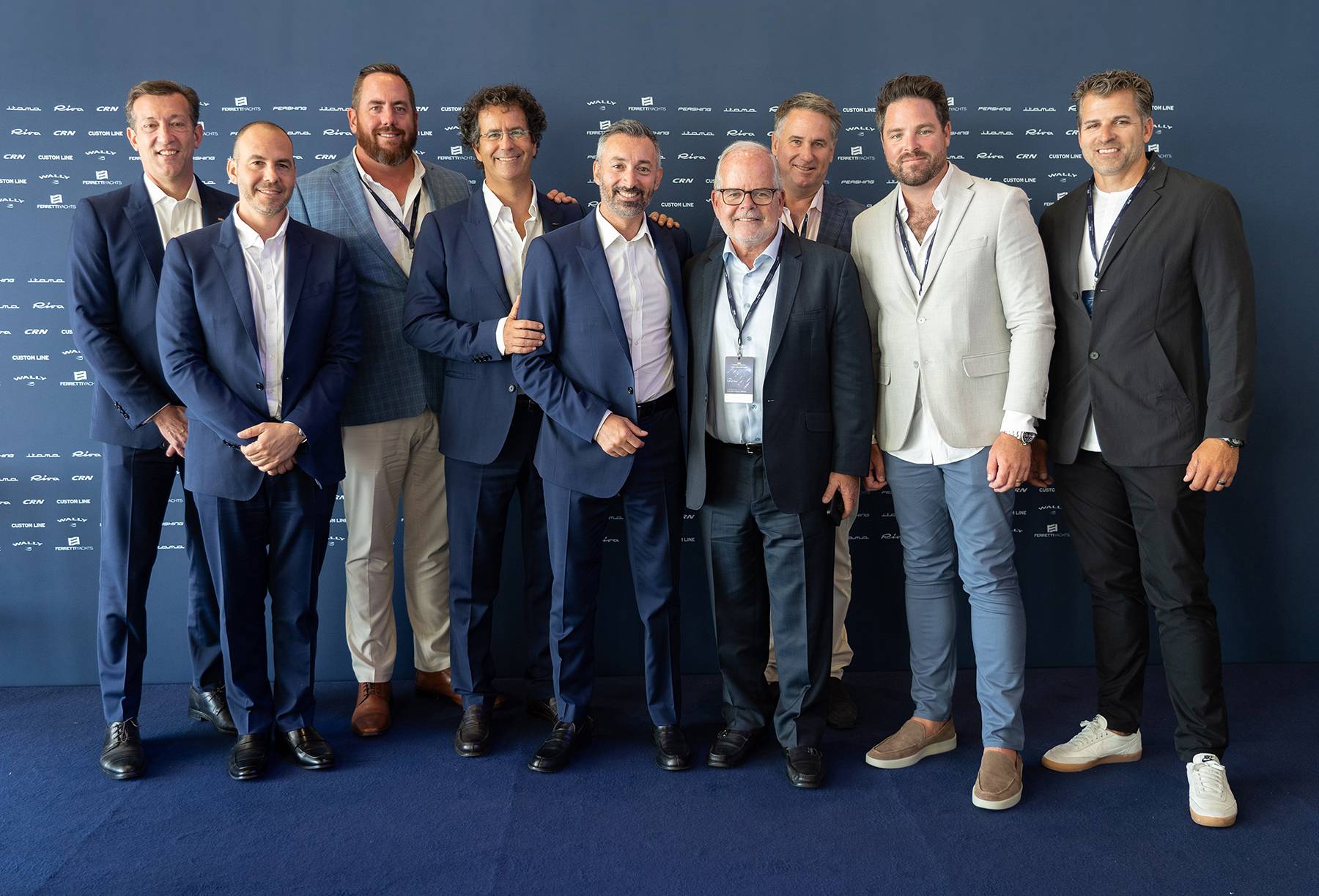
What a Yacht Broker Actually Does
A yacht broker is a licensed professional who represents buyers, sellers, or sometimes both parties in the purchase or sale of a yacht. While the role is often compared to real estate, yacht brokerage involves a far greater level of complexity. Transactions frequently span multiple jurisdictions, involve intricate mechanical and technical systems, and require navigation of international maritime regulations, flag state requirements, and evolving compliance standards. Unlike property sales, there is no universal ownership framework for yachts, making experienced guidance essential.
A broker’s role extends well beyond introductions and paperwork. They source appropriate yachts based on a client’s specific needs, provide market intelligence on pricing and availability, coordinate inspections, showings and sea trials, and structure negotiations to protect their client’s interests. They also oversee surveys, documentation and closing logistics, while assisting with insurance, registration and delivery arrangements. In practice, a skilled yacht broker acts as a project manager, strategic advisor and negotiator, ensuring the process moves efficiently from first viewing to final handover.
Why Working With a Yacht Broker Matters
Many first time yacht buyers assume they can save money by working directly with a seller. In reality, this often increases risk and rarely reduces cost. Yacht brokers are compensated through commissions that are already built into asking prices, meaning buyers typically pay the same price whether they use a broker or not.
Working with a broker provides:
- Access to off market and pre market listings
- Objective evaluation of condition and value
- Protection during negotiation and contract drafting
- Guidance through surveys and technical findings
- Fewer surprises during closing and delivery
For sellers, brokers provide market exposure, qualified buyers, and transaction management that protects timelines and pricing.

Choosing the Right Yacht Broker
Not all yacht brokers offer the same level of expertise, making it important to choose one carefully. A strong broker should have proven experience with yachts in your size and price range, deep knowledge of the regions where you plan to cruise, and a reputation for clear communication and responsiveness. Transparency around representation and commission is also essential, along with a track record of successfully completed transactions. Most importantly, a buyer-focused broker should prioritize your interests, guiding you toward the right yacht rather than pushing inventory that happens to be convenient to sell.
How to Work With a Broker as a Buyer
The most productive buyer–broker relationships start with clear expectations and open communication. Early in the process, yacht buyers should be prepared to discuss practical details such as budget range and yacht financing plans, how and where the yacht will be used, preferred yacht types, sizes and layouts, as well as the desired timeline for purchase and delivery. It is also helpful to define how involved you want to be throughout the search and transaction. The more precise this information is from the outset, the more effectively a broker can narrow the market, identify the right opportunities and save valuable time.
Searching and Viewing Yachts With a Broker
A broker will curate and present yachts for sale that match your specific criteria while coordinating private showings and inspections. While online listings provide a starting point, experienced brokers often have deeper insight into a vessel’s history, condition and market positioning that isn’t visible in public listings. They can help distinguish well-maintained yachts from riskier options, compare pricing across similar models, flag known issues tied to certain builders or production years, and arrange travel and access to yachts located in different regions. Throughout the process, a broker also serves as a buffer between buyer and seller, allowing you to evaluate yachts objectively without the pressure of direct negotiation.

Making an Offer Through a Broker
When you are ready to move forward, your broker will prepare and structure a formal purchase offer that outlines the proposed price, deposit and key contingencies designed to protect the buyer. These conditions typically include successful completion of a sea trial, satisfactory survey results, confirmation of clear title and documentation, and financing approval if required. At this stage, experience matters. A well-structured offer strengthens negotiating leverage and protects the buyer’s position, while poorly drafted terms can introduce unnecessary risk or weaken the transaction.
Surveys, Sea Trials, and Negotiation Support
One of a broker’s most valuable roles comes during the survey and sea trial stage of a transaction. At this point, the broker helps coordinate qualified marine surveyors, attends inspections, and interprets technical findings to give buyers a clear understanding of the yacht’s condition. They also help estimate repair costs and future maintenance considerations, using that information to renegotiate price or request seller credits when appropriate. Because this phase often determines whether a deal moves forward or falls apart, experienced guidance is critical to protecting the buyer and keeping the transaction on track.

Closing and Ownership Transition
As a transaction moves toward closing, the broker helps coordinate the many parties involved, including attorneys, lenders, insurers and vessel registries. This stage involves confirming proper transfer of funds, verifying title transfer and lien status, ensuring insurance coverage is in place and coordinating the final delivery and handover of the yacht. With multiple documents and stakeholders involved, a broker’s oversight helps keep the process organized and significantly reduces the risk of administrative errors that could delay or complicate closing.
How Brokers Add Long Term Value
The relationship with a yacht broker often continues long after the transaction is complete. Many owners maintain long-term relationships with their brokers, relying on them for guidance throughout the ownership cycle. A knowledgeable broker can assist with planning upgrades or refits, provide market insight on the right time to sell, and connect owners with trusted captains, crew and service providers. When it comes time to upgrade or move into a larger yacht, that same broker can help navigate the next step. Over time, a trusted broker becomes an integral part of an owner’s broader support team.
Common Misconceptions About Yacht Brokers
Several common misconceptions often cause buyers to hesitate when working with a yacht broker. Some believe brokers increase the purchase price, only represent sellers, or are only necessary for very large yachts. In practice, none of these assumptions reflect how brokerage actually works. Brokers are there to help manage the complexity of yacht transactions, provide market insight and guide clients through a process that involves technical, legal and logistical considerations. Their role is to protect and advise clients across all segments of the market, not just at the superyacht level.
The Right Broker for You
Working with a yacht broker is about risk management, expertise, and informed decision making. Whether you're buying your first yacht or selling a seasoned vessel, a skilled broker simplifies the process and safeguards your interests at every stage.
The best yacht transactions feel calm, controlled, and predictable. A professional broker is often the reason they turn out that way.
Related Articles
Continue exploring related topics and deepen your understanding
This guide covers the best vessels across every major liveaboard category in 2026
This guide explains every major vessel type you will encounter
Learn how modern buyers are no longer finding their yachts on listing platforms.
Learn how flag selection interacts with ownership, tax residence, crew employment, and more.
Learn how different yacht marketplace platforms stack up according to seller and dealer needs.
The right role for a 3D tour in a remote purchase process is pre-qualification, not due diligence.