
Motor Yacht vs. Sailing Yacht: Which Is Right for You?
Understand how motor and sailing yachts differ in performance, maintenance, and more.


The decision of whether to buy a motor yacht or a sailing yacht is at the heart of yacht ownership. This is a decision that is far more than the propulsion. It affects things like how do you travel, how do you spend time on board, how do you interact with the sea, what kind of experiences define ownership over the long term?
Both of these yacht types have evolved dramatically. Modern motor yachts provide the comfort, technology and range of luxury homes. Contemporary sailing yachts combine traditional heritage with high-tech materials and designs, and impressive performance.
The choice is not about which is better in general. It is a matter of which one is compatible with how you actually want to use your yacht.
Before examining layouts, performance figures or operating costs, it helps to get an idea of the basic character of each type.

The Character of Speed and Silence
A motor yacht has the advantage of immediacy. When the throttles are advanced and the hull is lifted up out of the water onto the plane or settled down into a steady displacement cruise, the yacht responds directly. Speed, predictability and control define the experience. Owners who enjoy covering distance efficiently, visiting multiple destinations in a short window of time, or maintaining tight itineraries often gravitate toward motor yachts for this reason..
A sailing yacht provides a different feeling. Once the sails fill and the engines are shut off, the yacht moves with the wind rather than against it. Motion becomes quieter and more organic. Many owners consider sailing as immersive as opposed to transactional. The journey itself becomes the focus and not just the arrival.
Neither experience is a substitute for the other. They achieve different mindsets. One focuses on efficiency and command. The other focuses on rhythm and connection.
Space, Volume, and Naval Architecture
Design physics is responsible for all that comes later because there are fundamental yacht design constraints that dictate hull form, draft, and available internal volume.
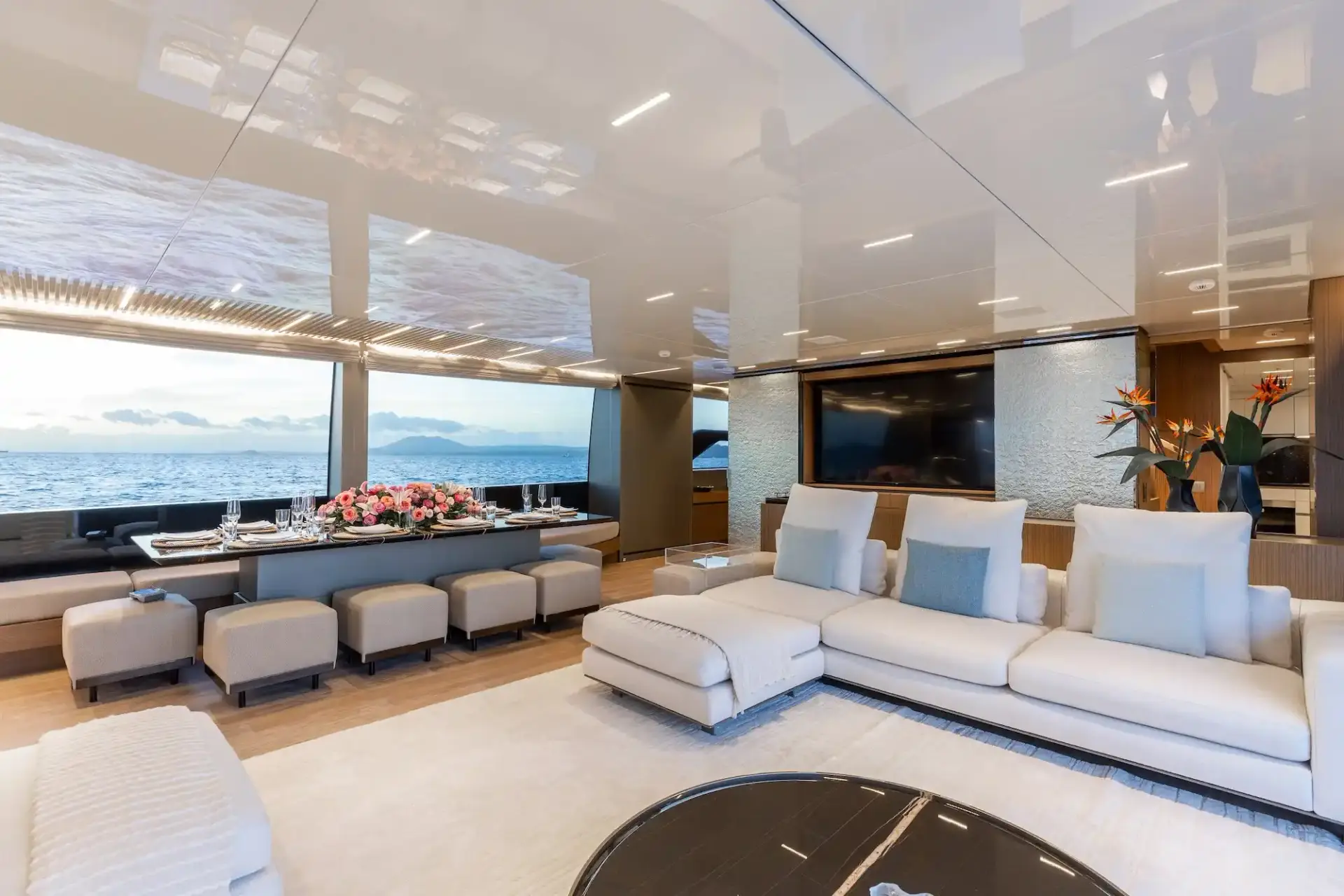
Motor yachts have their volume above the water line. Without deep keels and standing rigging to get in the way, designers can take beams out and pile usable interior space on top of one another deck by deck. This makes it possible to have wide saloons, full-beam owner suites, large crew spaces, beach clubs and large tender garages.
In practice, a 50-meter motor yacht usually offers more interior space that resembles a small waterfront residence than a vessel. Ceiling heights, wide corridors and flexible layouts make these yachts particularly well suited to entertaining and prolonged stays aboard.
Sailing yachts operate within different constraints. The keel gives stability and sailing performance to the boat but increases its draft and limits the access to some shallow harbors. Masts, sail handling systems and structural reinforcements take up space which motor yachts can devote to accommodation.
Modern sailing yacht design has filled this gap as close as possible. Naval architects now put guest cabins lower in the hull, optimize deckhouses and use lighter materials to regain volume. While sailing yachts still have less room inside than a motor yacht of the same size, it is not as great a difference as it once was.
What sailing yachts often gain instead is flow. Cockpits, deck spaces and interior living spaces link more directly. Dining, lounging and moving through the yacht feels closer to being outdoors, especially when underway.
Performance and Range of Sailing vs Motor Yachts
Performance refers to many different things, depending on how you cruise.
Motor yachts excel at predictable passage planning. A displacement motor yacht when cruising at speeds of 10 to 12 knots has the ability to make long distances with a steady fuel consumption. Faster semi displacement and planing yachts sacrifice range for speed, offering owners the ability to compress travel time when schedules matter.
Sailing yachts operate on a different equation. Under sail the fuel consumption is drastically reduced or goes away completely. Range is based on provisions, water production and crew endurance not necessarily fuel capacity. Even when motoring, sailing yachts typically burn much less fuel than the equivalent motor yachts.
This efficiency is attractive to owners who like long passages, remote anchorages or time away from marinas. It also affects how often the yacht needs fuel logistics support, which may be important in less developed cruising areas.
The Crew Consideration
Crew requirements vary in meaningful ways.
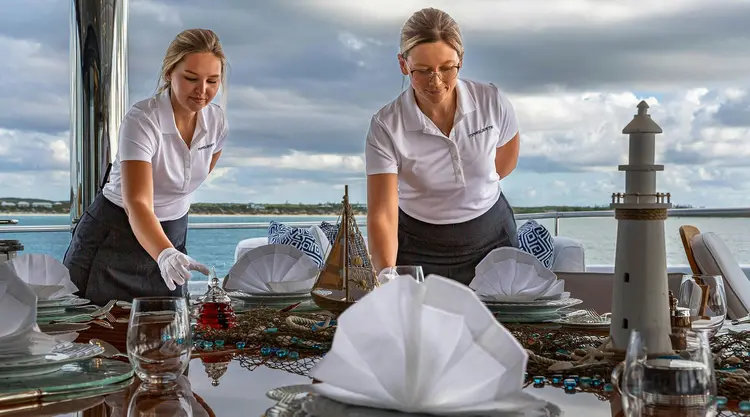
Motor yachts are very engineering intensive. Engineers handle propulsion systems, generators, stabilizers and onboard systems to assist with hotel-style living. Operations of docking, anchoring, tender and guest service are the focus of deck crews.
Sailing Yachts need all that and sailing know-how. Deck crew must know sail handling, rig loads, weather and performance trimming. Working aloft and handling complicated sailing systems requires training and confidence.
This difference does not mean one type of crew is better. It means there is variation in availability, experience and crew culture. Owners who place a value on sailing often find that crew passion for the craft adds to the on-board atmosphere.
Stability and Comfort Underway
Comfort is a major factor in motivating first-time buyers.
Motor yachts, particularly those with modern stabilization systems, are good providers of a stable platform on both the underway and at anchor. Guests are free to move around, eat well and sleep soundly with little disturbance in a wide range of conditions.
Sailing yachts have a different movement. Under sail, the yacht heels, and does so generally in a moderate and under control range. Some guests like this type of motion and find it calming. Others need time to adjust. When motoring, the sailing yacht often feels similar to the motor yacht, although deeper draft and hull shape can change how they respond to certain sea states.
Understanding your guests is important here. Family cruising and frequent entertaining will often favour the predictability of a motor yacht. Owners that cruise with a small group of like-minded guests often accept or even like the sailing motion.
The Aesthetic Dimension
A sailing yacht has an everlasting visual appeal. The proportions, the rise of the mast and the sight of the sails in front of the open water are a direct link to centuries of maritime tradition. Even the most modern sailing yachts, built using carbon rigs and automatic sail handling systems maintain this sense of lineage and purpose..
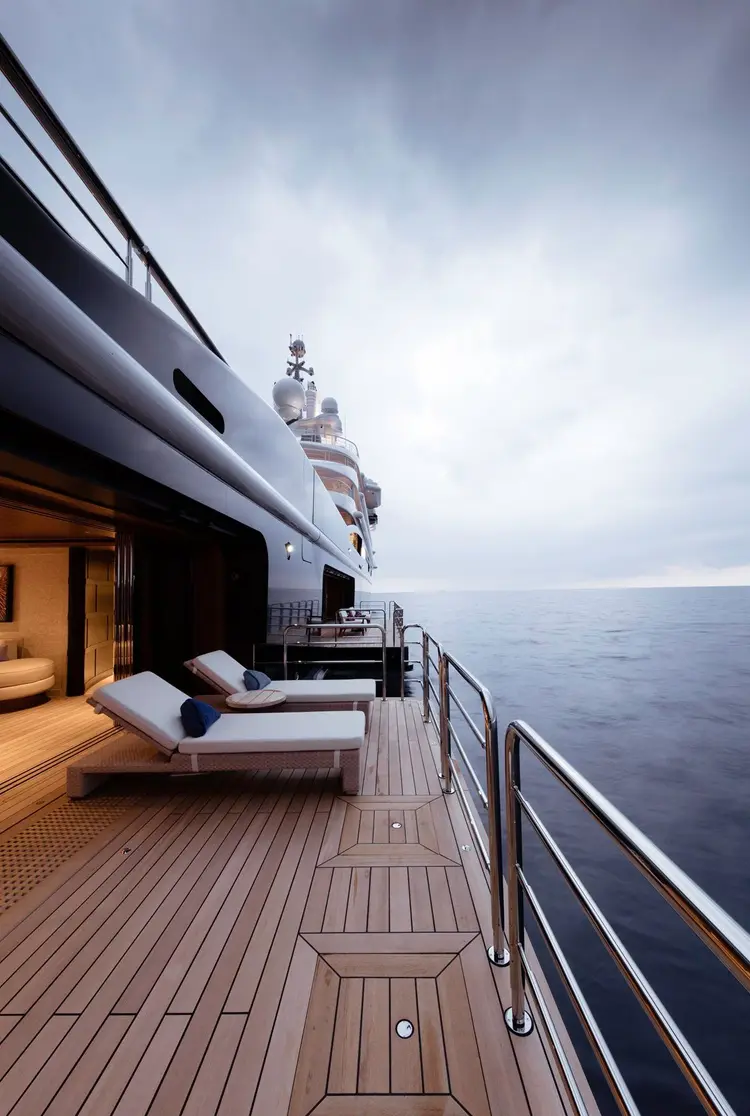
Motor yachts express a different aesthetic language. Contemporary designs focus power, volume and architecture. Explorer yachts exude strength and independence, and the ultra-modern motor yachts display glass, steel and sculptured lines that reflect advances in engineering and materials. This visual identity speaks to the owners who are attracted to innovation and commanding presence.
No style is inherently superior to the other. Each represents a different relationship with the sea. Some owners pick sailing yachts as they wish to be in contact with the wind and water directly. Others prefer motor yachts for their clarity of purpose and liberal space and ability to deliver luxury without compromise.
Operational Realities
Beyond design and philosophy, there are day-to-day considerations of ownership, which often have a larger influence on long-term satisfaction than headline performance figures.
Annual operating costs for motor yachts have been commonly estimated between 10 and 15 percent of the value of the yacht's. Fuel is a significant variable. A full Mediterranean summer followed by a Caribbean season can see a 50-meter motor yacht burn hundreds of thousands of Euros in fuel alone, depending on cruising speed and itinerary.
Maintenance of complicated propulsion systems, stabilizers and onboard technology presents another cost, especially as yachts get older.
Sailing yachts often fall more toward the lower end of the range of operating costs. Reduced fuel consumption balances other costs associated with rigging, sails and sail handling systems. Standing and running rigging checks, periodic sail replacement and specialist labour are still significant line items, but in general fuel savings will offset these costs over time.
Many insurers also look favorably on sailing yachts because of their inherent range and reduced reliance on mechanical propulsion that can factor into long-term insurance costs.
Berthing and marina access is also different. Motor yachts can go into most marinas with their length and draft, which makes it easy to plan an itinerary in crowded regions. Sailing yachts, especially over 50 meters, have height restrictions and limited mast clearance in some of the most popular marinas in the Mediterranean.
Owners who see value in frequent access to docks in high profile ports often consider this limitation heavily in their choice.
For buyers who are comparing the real-world ownership costs of both categories, YachtWay's larger resources for ownership and buying offer useful context. Many owners start this process of comparison by looking at what is available on the market and what is currently listed at Yachtway.com, and they then narrow down which types of yachts work best for their intended use.
The Environmental Question
Environmental impact has become a key issue in modern yacht ownership. Motor yachts, particularly those that are used a lot at higher speeds, have a higher emissions profile. Builders have fought back with better hull efficiency, hybrid propulsion and energy management systems, but the fundamental reliance on diesel propulsion remains.
Sailing yachts are another environmental equation. Under sail, the emissions are reduced dramatically. Extended periods without engine use, quiet anchors without generators and reduced overall fuel consumption are very attractive features to owners focused on sustainability. This is an even greater advantage when it comes to long distance cruising or remote exploration.
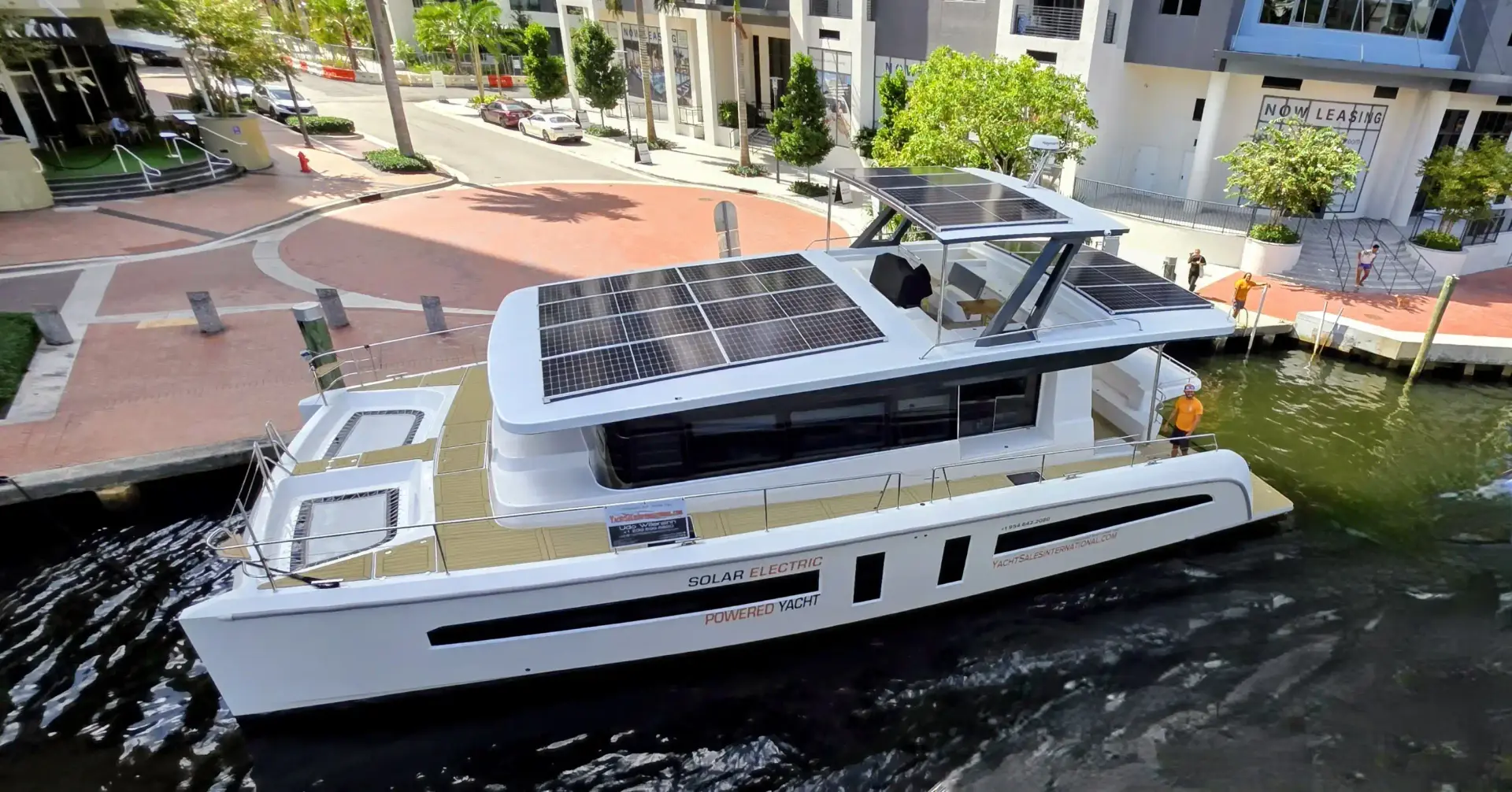
Emerging technologies are still favoring sailing platforms. Solar-electric integration, battery-dominant hotel loads and experimental solutions such as hydrogen fuel cells seem to have a much easier place in sailing yachts than on high-speed motor platforms. To some buyers, this trend validates the long-term appeal of sail.
The Social Dimension
How owners intend to use their yacht socially often helps explain the motor versus sail decision quickly.
Motor yachts are great for partying. Large interior spaces, multiple saloons and stable decks accommodate formal dinners, corporate hospitality and multi-generational family gatherings.
A 60-meter motor yacht can comfortably accommodate dozens of guests in separate spaces so that there is privacy and flow throughout the yacht. This flexibility is why motor yachts dominate the Mediterranean charter market where guests expect to be comfortable and accessible and can change their itinerary on-the-fly.
Sailing yachts offer a more immersive social experience. Life aboard tends to revolve around shared moments, be it trimming sails, watching weather patterns or long meals in cockpits that feel closely connected to the sea.
Even guests who don't even have a basic sailing background often find that the rhythm of sailing generates conversation and a shared memory in a way few other environments can.
Charter trends reflect these differences. Motor yachts are attractive to charterers who want convenience and volume. Sailing yachts are popular for people who are seriously seeking the sailing experience itself.
Owners planning future charter use often review both segments carefully, sometimes exploring current motor yacht listings or sailing yacht availability side by side to understand market demand. YachtWay’s motor yacht and sailing yacht inventory pages help illustrate how these differences translate into real-world options.
Making the Decision
At this stage, the comparison is personal. The choice of the right one is not so much a matter of specification and more on honest self-assessment.
Owners who emphasize efficient travel between destinations, maximum interior space, and the ability to accommodate larger groups often find motor yachts a natural fit. Those who visualize an ocean crossing, who value efficiency and who feel drawn to sailing itself often gravitate to sailing yachts despite their limitations.
Questions worth answering include how often the yacht will be used, where it will cruise the most, how many guests will be aboard most of the time, and if the journey itself is as important as the destination. Access to certain anchorages, marinas and seasonal cruising plans can further tilt the balance.
For many buyers, the review of comparable vessels that are currently on the market brings some clarity. Examining current listings, layouts, and specifications often reveals which platform resonates instinctively. This is where the curated listings and type-specific comparisons come in especially handy during the decision process.
The Hybrid Future
The traditional distinction between motor yachts and sailing yachts continues to blur. Owners increasingly resist deciding on a strict either or, and designers have reacted.
Modern sailing yachts offer interior finish, guest comfort and on-board amenities that were once belonged to motor yachts. Wide beams carried further aft, innovative deckhouses and carefully engineered layouts enable sailing yachts to provide generous owner's suites, elegant guest cabins and social spaces that feel open, rather than constrained.
At the same time, powerful auxiliary engines make these yachts efficient when schedules matter or wind is insufficient.
Motor yachts have developed too. Hybrid propulsion systems, variable speed generators, and energy recovery systems minimize fuel consumption and noise, especially at displacement speeds.
Explorer-style motor yachts focus on efficiency and range (rather than outright speed),
appealing to owners who wish to have autonomy and global cruising capability without giving up motor propulsion altogether.
Some owners carry this convergence one step further. They have two yachts, a sailing yacht for long passages and private cruising, and a motor yacht for entertaining, family use or charter activity. Others commission highly customized yachts designed to straddle between both worlds, with efficiency, autonomy and comfort in congruent measure.
Use Your Personal Compass
The question is not which yacht is better. The question is which yacht reflects how you wish to spend your time on the water.
Some owners desire to frame the experience with the sea. Others want the sea to be the experience in itself. Both views are valid and both are well-served by today's market.
Motor yachts and sailing yachts have never been closer in terms of quality, capability and sophistication. The right choice is the one that fits your cruising plans, your tolerance for complexity, your priorities for the environment and your emotional connection with life at sea.
When those elements align, the yacht ceases to be a comparison exercise and becomes what it was always meant to be: a personal vessel for meaningful time on the water.
Related Articles
Continue exploring related topics and deepen your understanding
This guide covers the best vessels across every major liveaboard category in 2026
This guide explains every major vessel type you will encounter
Learn how modern buyers are no longer finding their yachts on listing platforms.
Learn how flag selection interacts with ownership, tax residence, crew employment, and more.
Learn how different yacht marketplace platforms stack up according to seller and dealer needs.
The right role for a 3D tour in a remote purchase process is pre-qualification, not due diligence.