
Yacht Delivery and Logistics: Moving Your Boat After the Sale
Learn about the logistics, costs, and other concerns related to moving a yacht after a sale.


The sale is complete. Paperwork is signed. You now own a yacht. One issue remains. The boat sits in Fort Lauderdale while you live in Seattle. Or the yacht rests in the Mediterranean, and your plans point toward the Caribbean. Sometimes the distance to your intended marina is only 200 miles.
Yacht delivery and logistics remain one of the most overlooked parts of buying a boat... and unfortunately, also rank among the most stressful and expensive stages of the process. Moving a yacht from its current home to its new home involves decisions around delivery method, timing, insurance, crew, and cost. Mistakes here easily reach tens of thousands of dollars.
Poor planning during delivery leads to damage, budget overruns, insurance exposure, and long delays. Weeks or months off the water follow bad decisions. A clear understanding of delivery options protects your investment and gets your yacht where it belongs without unnecessary risk.
This guide explains how to move your yacht after you purchase it. It covers short coastal trips, long passages, and ocean crossings. The focus stays on choosing the right method and executing it correctly, using accurate vessel data and documentation from platforms like YachtWay.
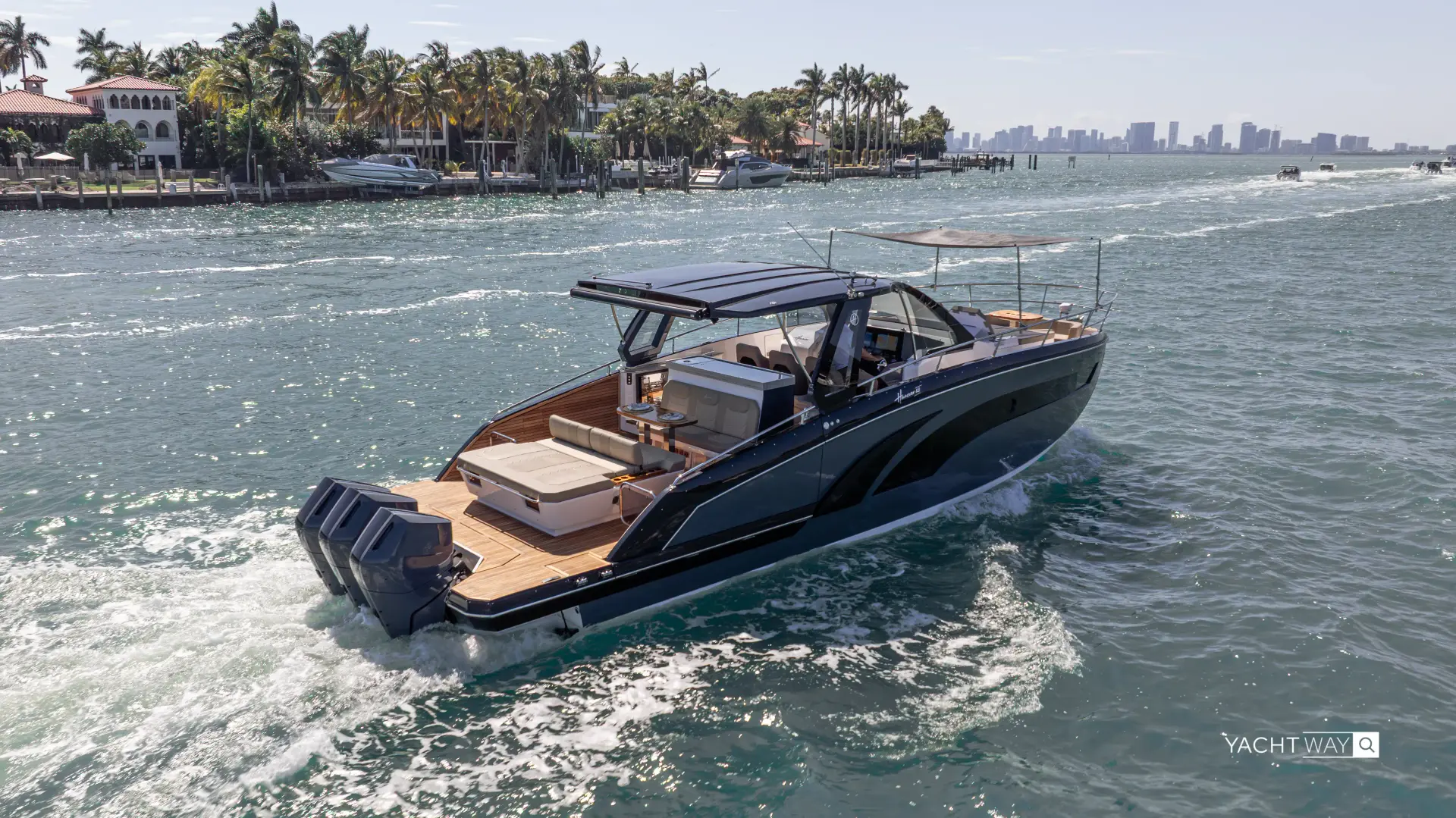
Understanding Your Delivery Options
Several distinct methods exist for moving yachts. Each option carries advantages, drawbacks, cost ranges, and specific use cases.
Self-Delivery by Owner
Delivering the yacht yourself feels like the simplest option. Experienced boaters often choose this route to save professional fees and learn the vessel firsthand.
Self-delivery works best for short distances, familiar waters, and yachts similar to boats you have operated before. Routes should avoid open ocean and extreme conditions. This approach builds confidence and deep familiarity with systems, handling, and quirks before carrying family or guests.
Risks remain significant. Unfamiliar vessel types, long distances, complex routes, or narrow weather windows raise exposure. Lack of experience compounds problems fast.
Insurance scrutiny stays high, and some insurers refuse coverage for owner-operated delivery on specific routes or vessel types. Inexperience or challenging passages increase the risk of rejection, so always confirm insurance approval before committing, especially when moving larger vessels listed in competitive markets like Miami yachts for sale.
Professional Yacht Delivery Captain
Hiring a professional delivery captain represents the most common solution for long-distance moves. These captains specialize in yacht transport and log thousands of miles across a range of vessel types.
Professional captains bring route knowledge, weather-planning skills, system familiarity, and emergency-response capabilities. Insurers often prefer or require professional captains for specific routes or conditions.
Costs vary with distance, vessel size, difficulty, and timing. Typical rates range from $300 to $800 per day plus expenses. Large yachts or complex routes push rates higher.
Longer passages require crew. A 40-foot yacht usually needs a captain and one crew member. A 70-foot yacht may require a captain and two or three crew. Crew increases cost but improves safety and fatigue management. Buyers reviewing larger vessels through used boats for sale often factor delivery crew costs into their total acquisition budget.
Ship Cargo Transport
Ship transport suits international moves or routes unsuitable for water delivery. Specialized cargo vessels carry yachts between continents and distant ports.
Yachts are loaded by crane or submersible deck. The vessel stays out of the water during transit. Engine wear disappears. Ocean passage risks drop significantly.
Ship transport costs more than professional delivery for most routes. Benefits include zero engine hours, lower transit risk, predictable scheduling, and transport of non-ocean-capable yachts.
Common routes include transatlantic crossings, Pacific routes to Asia or Australia, and Caribbean-to-Mediterranean runs. Costs typically range from $15,000 to over $100,000, depending on size and distance. This option is common for high-value yachts and performance models found in categories such as speed boats for sale.
Truck or Trailer Yacht Transport
Overland transport works well for yachts within highway limits. Smaller boats move on trailers. Large yachts require heavy-haul operations with permits and escorts.
Trailerable boats under 8.5 feet wide and within height limits move easily. Some owners tow themselves. Many hire professional haulers.
Wide-load vessels face strict route, timing, and permit rules. Travel is often limited to nights or weekends. Heavy-haul companies handle planning, escorts, and compliance. In the U.S., oversize load movement must comply with state and federal transportation regulations outlined by official agencies such as the Department of Transportation at transportation.gov.
Costs range from $2 to $5 per mile for standard boats. Wide-load moves cost far more. Despite expense, trucking often proves faster and cheaper than water delivery for inland destinations.

Combination Approaches
Complex moves sometimes require multiple methods.
A yacht might travel by captain to a port, cross oceans by ship, then continue by captain again. Coordination becomes critical. Flexibility improves outcomes in difficult logistics scenarios.
Combination strategies work best when distance, geography, and vessel capability limit single-method solutions. Owners planning these moves often rely on detailed vessel specs and logistics planning tools available through marketplaces like YachtWay.
Planning Your Yacht Delivery
Successful yacht delivery starts with planning well before departure. Time spent here prevents costly mistakes later. Good planning improves safety, controls cost, and reduces stress once the trip begins.
Route Planning
Understanding the exact route matters for timing, budgeting, and risk control. Review direct routes versus protected coastal passages. Identify fuel stops and fuel availability. Study seasonal weather patterns for your timing. Confirm areas requiring permits or clearances. Note hazards such as shallow water, strong currents, and heavy vessel traffic.
Professional delivery captains bring route knowledge. Even when hiring professionals, you should understand the route. This allows you to evaluate plans, ask better questions, and make informed decisions, especially when comparing delivery distances between major markets such as Miami yachts for sale and your home port.
Timing and Weather Windows
Weather drives delivery success and safety. Deliveries during hurricane season, winter in northern latitudes, or monsoon periods add unnecessary risk.
Plan deliveries during favorable seasonal windows. Atlantic crossings usually occur in late fall or spring. The Caribbean hurricane season runs from June through November and affects regional planning. Mediterranean conditions tend to be best from late spring through early fall.
Even within good seasons, short weather windows control actual departure dates. Professional captains monitor forecasts closely and delay departures when needed. Delays of days or weeks often protect vessels and crew.
Build flexibility into your schedule. Rigid timelines pressure crews into departing in marginal conditions, increasing risk.
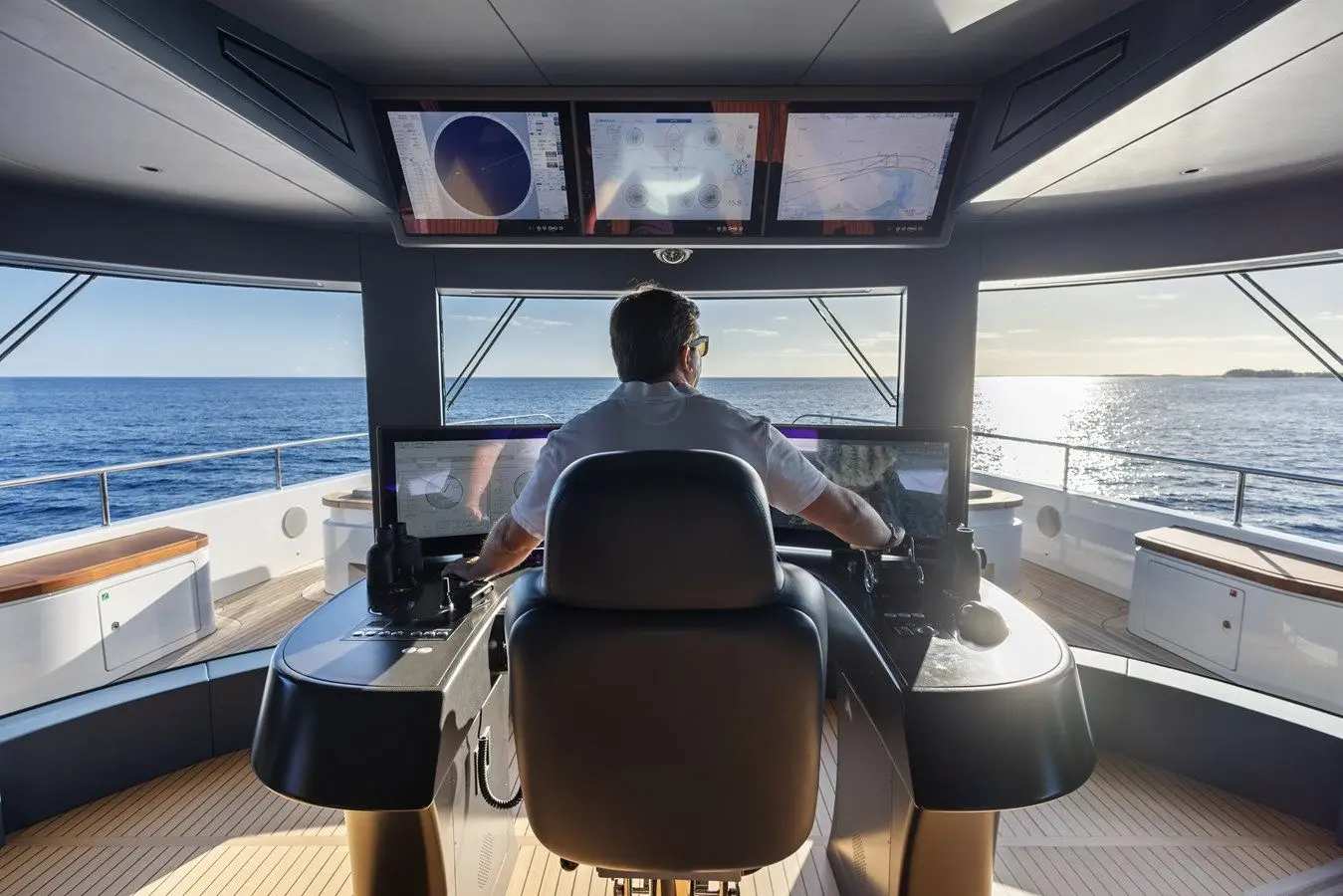
Insurance Considerations
Contact your yacht insurance provider early. Insurers require details on timing, captain identity, planned route, and crew qualifications.
Many policies require specific credentials for certain passages. These may include U.S. Coast Guard licenses of appropriate tonnage, minimum sea miles, or prior experience on the route or vessel type. Licensing standards and credential categories are defined by the U.S. Coast Guard.
Some routes require surveys before coverage applies. Transoceanic passages often require recent surveys confirming seaworthiness.
Confirm your policy covers the planned delivery. Do not assume standard coverage applies to professional delivery captains or extended cruising outside normal operating areas.
If insurance requirements conflict with your plan, adjust the plan or secure additional coverage before departure. Operating without proper coverage exposes you to severe financial risk.
Documentation and Permits
Documentation requirements vary by route. Confirm vessel registration and documentation. Prepare customs and immigration paperwork for international travel. Secure permits for restricted waters. Verify radio licensing requirements. Carry fishing licenses if required in transit areas.
International deliveries demand careful attention to customs procedures, temporary import permits, and cruising permits. Experienced captains understand these requirements but are responsible for handling documentation. Owners often rely on purchase records and vessel details stored on platforms such as YachtWay to streamline the process.
Pre-Delivery Vessel Preparation
Prepare the yacht thoroughly before departure. Fuel tanks should be full of clean fuel. Verify all systems operate correctly. Secure loose items aboard. Check safety equipment and expiration dates. Provision adequately for the crew. Perform complete engine and systems inspections.
For longer passages, professional captains usually conduct detailed inspections and create punch lists of required fixes. Address these items before departure to avoid delays or failures during the voyage.
Selecting Professional Delivery Crew
If you hire professional delivery services, crew selection matters more than almost any other decision. Skill levels vary widely. Poor choices lead to delays, damage, or loss.
Qualifications and Credentials
Delivery captains should hold credentials appropriate to the vessel's size and route. In the United States, U.S. Coast Guard licenses indicate qualification levels tied to tonnage and operating areas.
For international passages, experience often outweighs licensing, though credentials still matter. Seek captains with documented experience on your route, familiarity with your vessel type, and solid references. Buyers moving larger or higher-performance yachts, such as those found among used boats for sale, should be especially selective.
Membership in professional organizations such as the American Boat and Yacht Council suggests commitment to standards, but membership alone does not guarantee quality.
Experience and Track Record
Evaluate real experience, not titles. Ask how many miles they have logged. Ask how many deliveries they have completed. Confirm experience with your vessel type. Verify prior runs on your route. Review safety history.
Request references and speak with past clients. Ask about communication, problem handling, schedule adherence, and overall outcome. Ask whether they would hire the captain again.
Experienced captains should clearly explain route planning, weather strategy, and contingencies. Lack of detailed planning signals risk.
Communication and Compatibility
You are trusting a major asset to this person, often for extended periods. Communication quality matters.
During early conversations, assess clarity, responsiveness, listening skills, and professionalism. Clear communication reduces misunderstandings during delivery.
Trust your judgment. If discomfort appears early, continue searching. Confidence in the person commanding your yacht matters.
Cost and Contract Terms
Request detailed written proposals. These should include daily rates for captain and crew, estimated delivery duration, reimbursable expenses, handling of weather delays, crew return travel costs, and insurance requirements.
Compare multiple proposals when possible. The lowest price rarely equals the best value. Experience and reliability justify higher rates. Still, confirm that pricing aligns with market norms for vessel size and route, particularly when planning delivery for higher-speed or performance vessels, such as those in speedboats for sale.
Insist on written contracts. Contracts should specify pay rates and schedules, estimated timelines, delay handling, responsibilities of all parties, insurance coverage, and dispute resolution terms.
Red Flags to Avoid
Avoid captains who refuse references, lack proper credentials, quote rates far below market norms, dismiss safety concerns, fail to provide clear route plans, or show gaps in experience.
Your yacht represents a significant investment. Spend time finding qualified professionals, even if it costs more or delays departure. The cost of poor delivery choices far exceeds the price of doing it right.
Managing Delivery Logistics and Costs
Understanding and managing delivery logistics helps control the budget and avoid surprise expenses. Most cost overruns come from assumptions made too early.
Direct Delivery Costs
Captain and crew compensation usually forms the largest expense. Daily rates typically range from $300 to $800 or more per person, multiplied by the total number of delivery days.
Estimate duration based on distance and average cruising speed. A 500 nautical mile delivery at 8 knots requires about 62.5 running hours. With weather delays and overnight stops, plan for 7 to 10 days total.
At $500 per day for a captain and $300 per day for one crew member over 8 days, personnel costs reach $6,400 before other expenses.
Fuel and Operating Costs
Fuel costs add up quickly on powerboat deliveries. Estimate fuel burn at cruising speed. Multiply hourly consumption by total running hours. Apply current fuel prices.
A yacht burning 20 gallons per hour over 60 hours consumes 1,200 gallons. At $4 per gallon, fuel alone costs $4,800.
Also, budget for oil, filters, and routine operating supplies. Longer deliveries may require oil changes during transit.
Crew Expenses
Beyond daily rates, crew expenses include meals, lodging before departure and after arrival, transportation to and from the yacht, and incidental costs during passage.
Some owners provision the yacht fully. Others reimburse actual meal expenses. Clarify expectations in advance.
Plan $50 to $100 per person per day for crew expenses in addition to daily rates.
Insurance During Delivery
Confirm whether your standard policy covers professional delivery. Some insurers charge extra premiums for delivery periods, especially on challenging routes or with less experienced crews.
Separate delivery coverage typically costs 0.5% to 2% of insured value. On a $500,000 yacht, this adds $2,500 to $10,000.
Permits and Documentation Fees
International deliveries incur customs fees, temporary import permits, cruising permits, and other charges that vary by country.
Experienced delivery captains accurately estimate these costs. Expect several hundred to several thousand dollars on complex international routes.
Contingency Budgeting
Weather delays, mechanical issues, and route changes extend deliveries. Build a contingency buffer of 20-30% above base estimates.
A delivery estimated at $10,000 often comes in at $12,000 or $13,000 once delays and extra costs are factored in.
During the Delivery: Communication and Monitoring
Once delivery begins, staying informed without interfering requires balance.
Establishing Communication Protocols
Agree on communication methods before departure. Daily position updates via satellite phone, email, or text are standard for long passages. Coastal runs may need updates every one or two days.
Satellite systems such as Iridium GO or Garmin inReach support global communication. Confirm appropriate equipment is aboard for the route.
Define update content. Position, progress, weather conditions, forecast, issues, and estimated arrival time should all be included. Clear expectations here prevent anxiety and reduce unnecessary interruptions once underway.
Tracking Technology
Many yachts carry AIS transponders, allowing real-time tracking through public AIS services. AIS tracking reduces the need for constant check-ins and gives owners reassurance during long legs.
Some captains use dedicated tracking devices that automatically share position updates. Discuss tracking options during planning so monitoring feels transparent rather than intrusive, especially for long-distance deliveries involving yachts purchased through platforms like YachtWay.
Managing Expectations
Captains focused on safe operation cannot provide constant updates. Weather shifts, routing changes, and operational demands affect communication frequency.
Trust professionals to make decisions underway. Micromanagement adds stress and does not improve results.
At the same time, reasonable communication matters. Extended passages without updates signal a problem. Set expectations early and stick to them.
Handling Issues During Delivery
When issues arise, captains should inform you promptly and explain options.
Minor delays or routine maintenance usually fall under the captain's authority. Major issues affecting safety, cost, or timing should involve you in decision-making.
Define decision authority in advance. Establish communication protocols for different issue types. A clear structure prevents confusion as pressure rises.
Arrival and Post-Delivery Tasks
Arrival marks the end of transit, not the end of responsibility. Several tasks still require attention to protect your yacht and close out delivery properly.
Final Inspection
Conduct a full inspection upon the yacht's arrival. Look for any damage from the passage. Verify all systems operate correctly. Confirm all equipment and gear remain present, secure, and undamaged. Review any maintenance or repairs completed during delivery.
Document all issues with photos and written notes. If damage occurred during delivery, this documentation supports insurance claims and follow-up discussions with the delivery crew.
Settling Accounts
Review all delivery expenses carefully. Ensure reimbursable costs include proper documentation and receipts. Professional delivery captains should provide a detailed breakdown of expenses.
Settle the final payment promptly after confirming that contractual obligations were met and expenses align with the agreements. Delays at this stage strain professional relationships.
Debriefing with Delivery Crew
Schedule time with the delivery captain to review the passage. Discuss what went well and what challenges appeared. Review maintenance needs identified along the route. Learn about system behavior, quirks, or handling characteristics discovered during delivery.
This debrief adds practical knowledge that will improve ownership and operations going forward.
Immediate Maintenance Needs
Long passages often uncover wear or deferred maintenance. Delivery captains typically document these findings in a final report.
Address immediate needs quickly. Oil changes may be due. Fuel filters may require replacement. Systems may need adjustment. Equipment failures during delivery should be addressed promptly.
Documentation and Records
Organize all delivery-related documents. File delivery contracts and final accounting. Retain insurance certificates covering the delivery period. Store customs and clearance paperwork from international passages. Save maintenance records for work completed during transit. Include the captain’s final delivery report.
These records form part of your yacht’s permanent file. They support insurance coverage, future operations, and resale preparation, an important factor for owners who later list their yachts alongside other used boats for sale.
Special Considerations for International Deliveries
Moving a yacht across international borders adds complexity. Extra planning and the right expertise reduce risk and delay.
Customs and Immigration
International yacht movements require proper clearance at departure and arrival. Procedures vary by country but usually include advance arrival notice, crew lists and identification, vessel registration documents, and customs declarations for goods onboard.
Some countries require cruising permits for vessels staying in local waters. Others restrict clearance to specific ports of entry. Delivery captains with international experience usually manage these steps, but you should confirm familiarity with the exact countries on your route.
Mistakes here cause delays, fines, or denied entry.
VAT and Import Duties
Crossing borders between different tax regimes can trigger VAT or import duties. European Union VAT rules create a particular risk due to complexity and enforcement.
Improper handling leads to unexpected tax bills totaling tens or hundreds of thousands. Consult customs brokers or maritime attorneys experienced in yacht movements before international delivery. Official guidance on import and customs requirements is often published by government authorities such as ec.europa.eu.
Flag State Considerations
A yacht’s flag state determines applicable regulations and clearance requirements. U.S.-documented vessels follow different rules from foreign-flagged yachts.
In some cases, changing the flag state makes sense for international movement. This requires advance planning, compliance steps, and proper registration procedures, often guided by regulations issued by authorities such as the US Coast Guard.
Language and Communication Barriers
International deliveries often involve officials and service providers using foreign languages. Miscommunication slows clearance and creates compliance issues.
Delivery captains with international experience manage these interactions more smoothly. Inexperienced crews face added difficulty navigating language barriers and local procedures.
Alternative Routes and Creative Solutions
Standard delivery approaches do not always fit every situation. When constraints appear, alternative methods sometimes offer better outcomes.
Rally Participation
For certain high-traffic routes, organized rally groups of multiple yachts make the same passage. Events such as the Atlantic Rally for Cruisers provide structure, weather routing, and group support during long crossings.
Rally participation adds costs through entry fees and preparation requirements. Many owners still choose this option due to shared experience, added safety oversight, and the reassurance of traveling alongside other yachts.
Delivery Combined with Training
Some professional captains include owner training as part of the delivery process. While the yacht moves to its destination, you learn systems, handling, navigation, and operational routines directly on your vessel.
This approach costs more than standard delivery. The added value comes through hands-on education, especially valuable for owners preparing to operate larger or more complex yachts.
Staged Delivery
Instead of completing a long delivery in one continuous run, consider breaking the trip into multiple legs. Planned stops allow rest periods, weather flexibility, and cost distribution over time.
Staged delivery allows the owner to participate in selected segments. Pressure to depart in marginal weather decreases. Total delivery time increases, but flexibility improves, and the experience often becomes more enjoyable.
The Bottom Line: Prioritizing Safety and Protection
Yacht delivery marks a critical transition in ownership. Financial exposure and safety risk peak during this phase. Decisions about delivery method, crew selection, and process management shape both the immediate outcome and long-term ownership experience.
Safety comes first. Speed and cost savings come second. Waiting an extra week for proper weather windows or paying more for an experienced professional crew protects hundreds of thousands of dollars in yacht value. Shortcuts here rarely pay off.
Do not compromise on insurance coverage. Any premium savings fade quickly when compared to losses from damage, accidents, or uncovered claims during delivery.
Plan delivery early. Rushed planning creates avoidable problems. Begin logistics planning as soon as a purchase agreement is in place, not after closing, when timelines tighten and options narrow.
When experience falls short for the passage ahead, hire professionals. Delivery is not the time for trial and error. The yacht carries too much value, and the risks carry real consequences.
At the same time, do not let delivery complexity limit your buying options. With proper planning and qualified professionals, yachts move safely and efficiently between nearly any location worldwide.
Delivery lasts a short time. Ownership lasts for years. Investing in proper delivery ensures your yacht arrives safely, ready for long-term cruising in your home waters.
Ready to Take the Next Step?
Whether you’re buying a yacht for sale across oceans or relocating closer to home, explore listings, ownership guides, and expert resources at YachtWay.com to plan every stage of yacht ownership with confidence.
Related Articles
Continue exploring related topics and deepen your understanding
This guide covers the best vessels across every major liveaboard category in 2026
This guide explains every major vessel type you will encounter
Learn how modern buyers are no longer finding their yachts on listing platforms.
Learn how flag selection interacts with ownership, tax residence, crew employment, and more.
Learn how different yacht marketplace platforms stack up according to seller and dealer needs.
The right role for a 3D tour in a remote purchase process is pre-qualification, not due diligence.