
Yacht Valuation: How to Determine the True Market Value of Your Boat
Learn how to value your yacht, and the power of an accurate valuation.


Knowing how much your yacht is worth is important, whether you’re selling, upgrading, refinancing, or just keeping an eye on things. Valuing a yacht isn’t just looking up a number somewhere. It’s about the market, the boat’s condition, where it’s at, and who’s buying at that time. This guide explains how yacht valuation works, what really matters, and how you can figure out a fair value based on what’s happening right now, not some outdated rulebook or random guess. Many owners begin by reviewing current yachts and boats available on YachtWay, which reflect real buyer behavior rather than theoretical pricing.
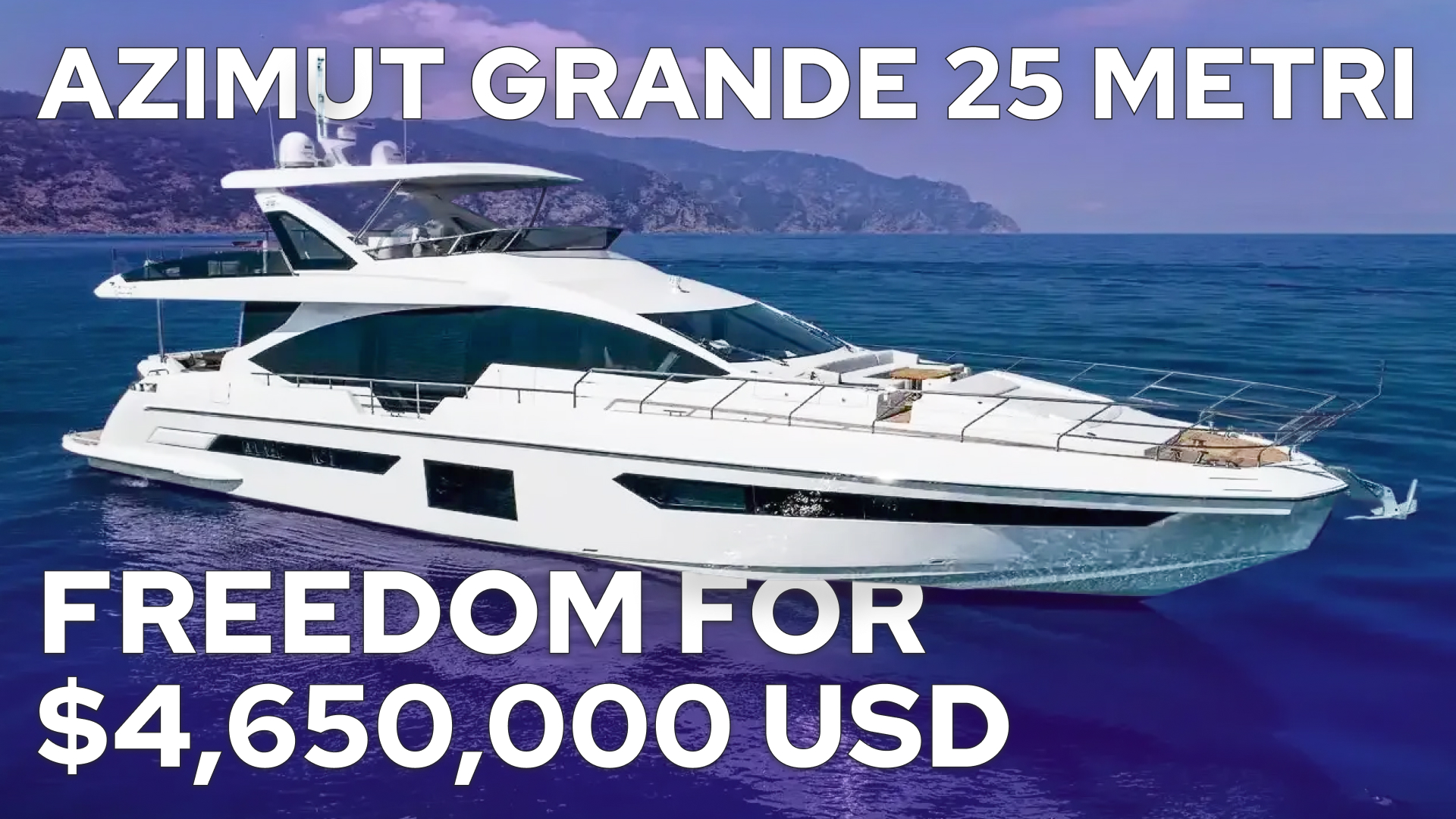
What Yacht Market Value Really Means
Market value is the price a buyer and a seller agree on when neither is in a hurry, and both know what they’re dealing with. In the yacht world, this matters more than what you paid, how much it would cost to replace, or how attached you are to it.
Yacht values change all the time. Season, fuel prices, the economy, and even weather can all impact how buyers act. A yacht’s value might be spot on today, but in six months, you may need to adjust if market demand shifts or inventory changes. Knowing that valuation is always moving helps owners make better choices about when to sell or what price to ask, especially when monitoring recently listed used yachts and boats for sale to see how similar vessels are performing.
Comparable Sales Are the Foundation of Valuation
The most reliable indicator of yacht value is recent comparable sales. These are yachts of similar make, model, size, age, and condition that have actually sold, not just been listed.
Listings alone are misleading because asking prices often exceed what buyers ultimately pay. A professional valuation relies on closed transactions, adjusted for condition, equipment, and location. For example, two identical models may sell for significantly different prices if one has recent engine service, updated electronics, or a full interior refit. Comparing sold data alongside active speed boats for sale in today’s market helps clarify what buyers are truly paying.
Comparable sales must also be recent. A sale from two years ago may no longer reflect current demand, especially in fast-moving segments under 60 feet or in volatile economic periods.

Condition Has a Bigger Impact Than Age
Owners often stress about age, but condition matters way more. A well-kept yacht that’s 10 years old can easily be worth more than a newer yacht that’s been neglected. The condition covers a lot: engine health, appearance, and paperwork. Buyers want to feel confident. A clean engine room, organized systems, fresh service records, and recent upgrades make the yacht feel like a safe bet, which means buyers are more likely to pay. A survey will support the yacht’s condition, but buyers and brokers form opinions the second they see the boat. Yachts that look like they’ve been taken care of always sell faster and for more, particularly in competitive hubs like yachts currently for sale in Miami.
Equipment, Upgrades, and Specifications Matter
Not all yachts of the same model are equal. Equipment and configuration play a major role in valuation.
Features that typically support stronger value include stabilizers, updated navigation systems, recent generator replacement, modern air conditioning systems, and popular layout configurations. On larger yachts, crew quarters quality, range, and storage also influence value. Buyers comparing similar models across brand inventories, such as available Horizon Yachts listings, often favor well-equipped, ready-to-cruise vessels.
However, not all upgrades return full value. Highly personalized modifications or niche equipment may not appeal to the broader market. Valuation focuses on what the average qualified buyer is willing to pay, not what the owner invested.
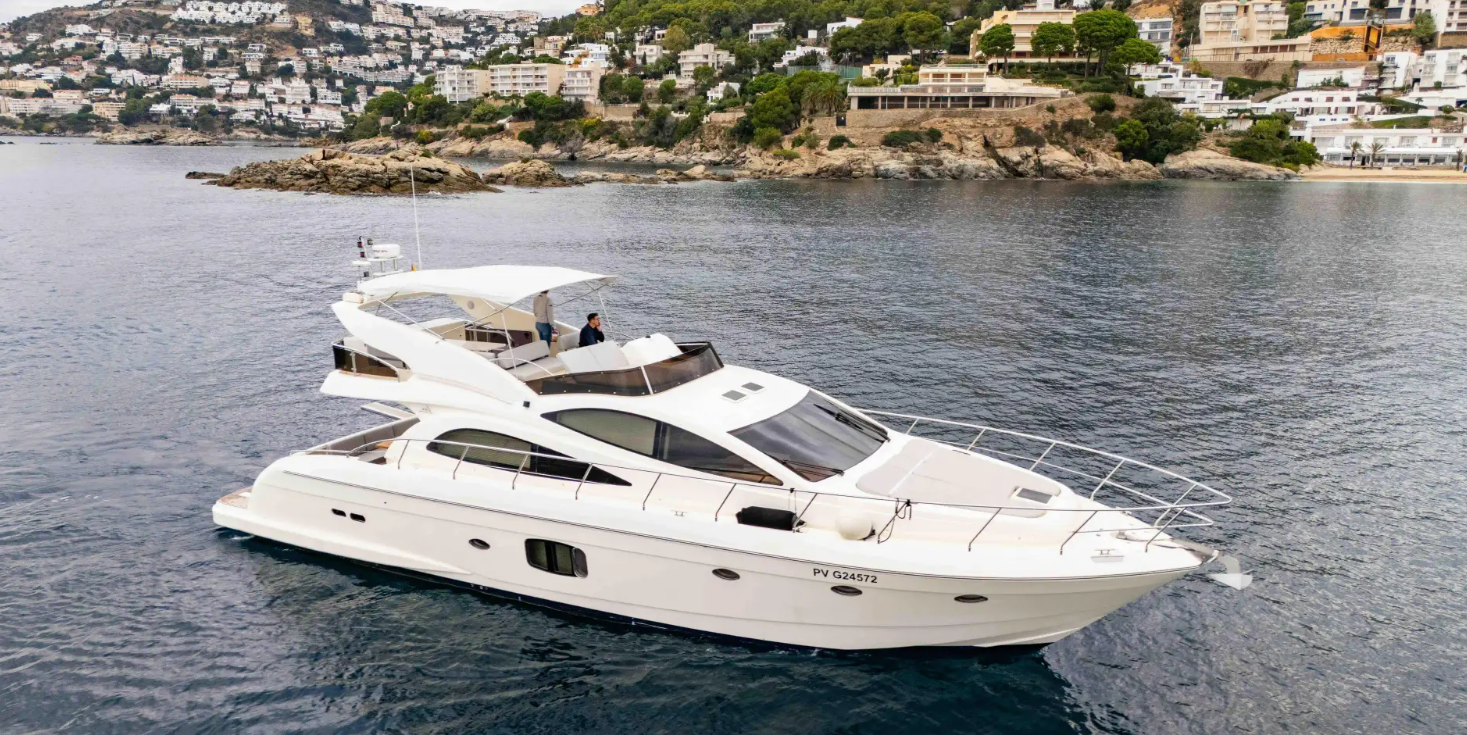
Location and Market Geography Influence Price
Where a yacht is located affects both demand and valuation. A yacht positioned in a high-traffic market with strong buyer presence often commands a higher price than the same yacht in a remote location.
For example, yachts located in South Florida, the Mediterranean, or Southern California benefit from year-round exposure and active brokerage communities. In contrast, yachts in secondary markets may require pricing incentives to attract buyers willing to travel or transport.
Tax structure, registration, and cruising readiness also influence value. A yacht that is turnkey for popular cruising areas often outperforms similar vessels that require repositioning or compliance work, especially when buyers are also considering yacht and boat loan options.
Seasonality and Timing Are Critical
Yacht values change with the seasons. In some areas, demand spikes in spring and early summer, especially for mid-sized motor yachts and sport boats. If you list during the busy season, you’re more likely to get a higher price and sell faster.
Listing later in the season, or when the economy’s shaky, usually means you’ll need to lower the price to make the sale. If you understand timing, you can price your yacht based on when buyers are actually looking, not when it’s easiest for you.
Professional Appraisals vs. Market Valuation
Appraisals and market valuations are not the same thing. A marine appraisal is often needed for insurance, loans, or legal reasons. It gives a value based on a solid but pretty static method.
A market valuation is more fluid. It’s based on what buyers are willing to pay, and that can change fast. For selling your yacht, market value is usually more accurate because appraisals might not keep up with current buyer trends. Many sellers compare this against current yachts and boats available on YachtWay. Understanding both helps you make the right decision, depending on whether you need something official or just want to know your yacht's true value right now.
The Role of Brokers in Accurate Valuation
Experienced brokers offer something automated tools can’t: real market context. They know how buyers are acting, which boats are sitting unsold, and what actual sale prices look like across different platforms, including recently listed used yachts and boats for sale.
A broker-driven valuation includes:
- Recent comparable sales, adjusted for condition and equipment
- Current competition and pricing pressure
- Trends in buyer demand for the yacht’s size and category
- Expected negotiation range based on how the market is moving
This kind of insight helps owners avoid overpricing, which often leads to longer listings and bigger price cuts down the line.
Common Valuation Mistakes Owners Make
A lot of yachts sit unsold, not because there’s no interest, but because of valuation mistakes. Owners often overprice because of emotional attachment, outdated sales, or a reluctance to let go of what they paid for the yacht.
Another big mistake is pricing based on replacement cost instead of market demand. Buyers don’t pay extra just for what it would cost to build the yacht new unless the market is tight and demand is super high. Reviewing similar models across active speed boats for sale in today’s market helps keep expectations realistic.
Realistic valuation isn’t about being negative. It’s about being smart and strategic.
How to Use Valuation to Achieve Your Goal
Valuation should match your goal. Whether you’re trying to sell fast, get the best price, refinance, or plan an upgrade, the approach changes.
If you need a quick sale, price near the lower end of market value to create urgency. Suppose you have more time, price closer to the middle, and adjust based on how buyers respond. When financing or refinancing is part of the plan, understanding yacht and boat loan options, along with valuation, can help guide smarter decisions.
Every Yacht is a Little Unique
Figuring out a yacht’s true market value isn’t just about data. It’s a mix of numbers, experience, and understanding what buyers want. The best yacht owners see valuation as a tool to make smart decisions, not as an end-all judgment. By focusing on comparable sales, yacht condition, market timing, and expert advice, owners can land on a value that makes sense for quick decisions and smooth deals. Whether you’re selling now or down the road, getting the right value is key to successful yacht ownership.
Ready to start your yacht-buying journey?
Explore current yachts and boats available on YachtWay to browse listings, compare market pricing, and connect with trusted experts who can help you buy or sell with confidence.
Related Articles
Continue exploring related topics and deepen your understanding
This guide covers the best vessels across every major liveaboard category in 2026
This guide explains every major vessel type you will encounter
Learn how modern buyers are no longer finding their yachts on listing platforms.
Learn how flag selection interacts with ownership, tax residence, crew employment, and more.
Learn how different yacht marketplace platforms stack up according to seller and dealer needs.
The right role for a 3D tour in a remote purchase process is pre-qualification, not due diligence.