
How to Buy a Yacht: The Complete Step-by-Step Roadmap
This guide walks you through the process from planning to ownership.


Buying a yacht is a big deal. It’s not just about money. It’s about how you live, how you travel, and how much work you want to do. Buying a yacht is not like buying a car or a house. Every step matters. This guide walks you through the process from planning to ownership, so you don’t get lost along the way. Many buyers start by reviewing live listings on YachtWay to understand what is actually available on the market.
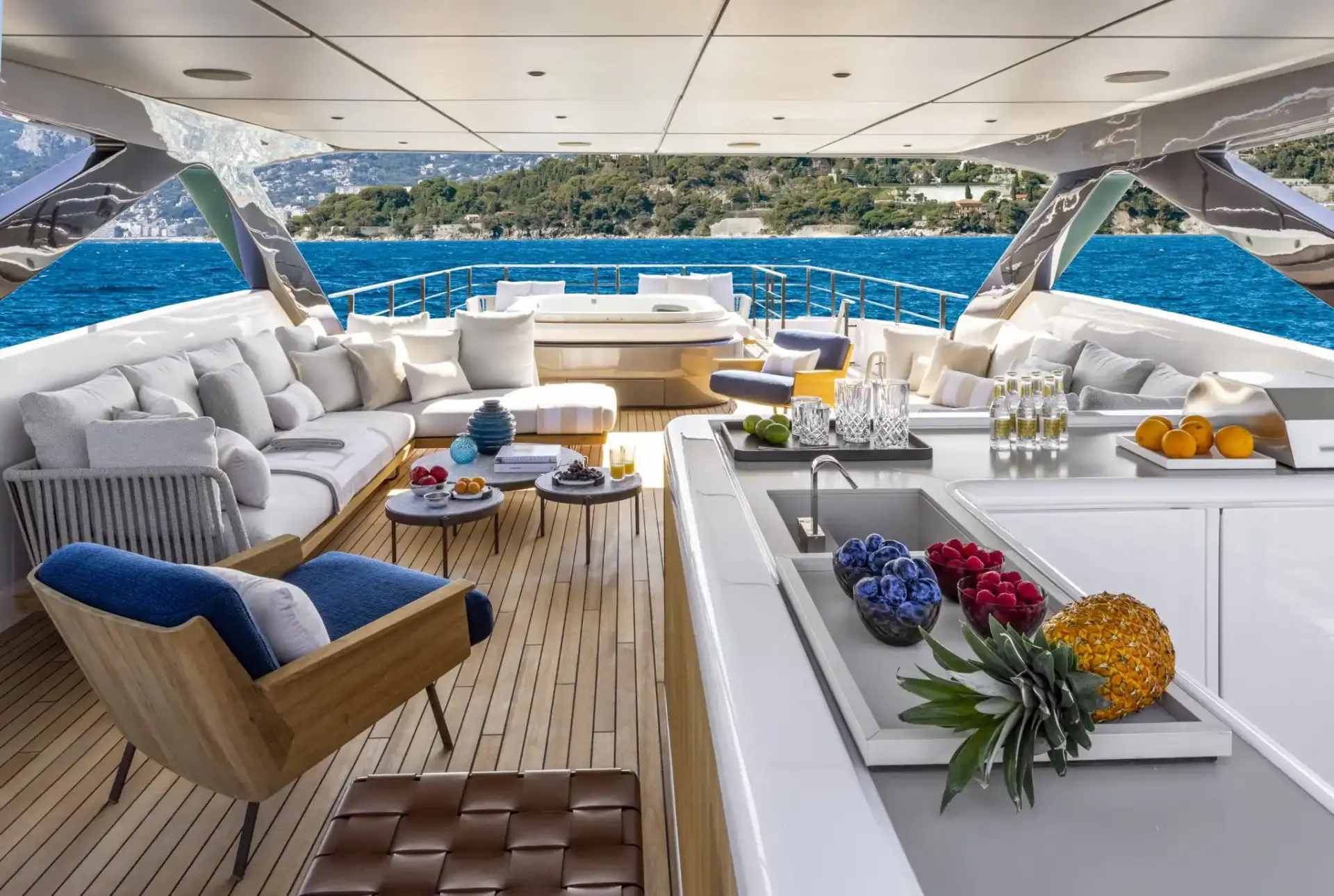
Step 1: Figure Out What You Want to Do With the Yacht
Before looking at yachts, you need to know why you want one. This choice will affect everything else. Think about it:
- Are you going for short day trips, weekends, or longer voyages
- Will it be for parties and guests, or just for your family
- Do you want to drive it yourself, or hire a crew
- Will you stay close to the coast, jump between islands, or go far offshore
- Will it stay in a marina, or be ready for long trips
Be honest, many people pick yachts that look nice but don't fit their real life. Also, think about upkeep. Some boats are simple to run alone, while others need a full team. Your choice here will save a lot of headaches later. Looking at real-world inventory, such as current options on YachtWay for used boats for sale, often helps clarify what truly fits your lifestyle.
Step 2: Set a Realistic Budget
Buying a yacht is not just about the price. Fuel, maintenance, dock fees, crew, taxes. All of that adds up fast. Big boats get expensive quickly. Most people forget the ongoing costs. Planning ahead helps avoid surprises. Some costs are obvious, others sneak up on you, like refits or electronics. Here's how it breaks down:
Purchase or build cost
Small yachts, 40–50 feet, usually cost 300,000 to 900,000 USD used. New ones, 700,000–1.5 million. Larger yachts, 80–100 feet, start around 4 million used and can go over 10–15 million new. Fully custom yachts over 120 feet often start at 20 million and can hit 100 million depending on specs and shipyard. Europe usually costs more than US-built yachts. Prices can jump based on materials, equipment, and design.
Sales tax or VAT
Florida caps sales tax at 18,000 USD, which helps with bigger yachts. California has no cap, so a 5 million USD yacht could cost 400,000 USD in tax. Mediterranean VAT is often 20 percent, though leasing or commercial registration can lower it. Caribbean locations, like the Bahamas or Cayman, usually offer low or zero VAT. Taxes can influence where you buy a lot. Some buyers plan their purchase entirely around tax benefits.
Insurance and registration
A 40-foot yacht usually costs 3,000–8,000 USD per year for insurance. A 90-foot yacht can be 60,000–150,000 USD. Registration varies. US state registration is cheap. Offshore registries, such as the Cayman Islands, Malta, or the Marshall Islands, cost more but offer greater flexibility for international cruising. Insurance also depends on the cruising area and claims history.

Dockage and storage
Marina fees vary widely by location. A 45-foot yacht in Florida might be 800–1,500 USD per month. Miami Beach, Newport, or Monaco could be over 2,500. For a 90-foot yacht, annual dockage in South Florida may be 120,000–180,000 USD. Prime Mediterranean spots during summer can exceed 250,000 USD per season. Dry storage and haul-out fees increase with size. Peak season pricing can be shocking if you don’t plan.
Fuel and maintenance
Fuel depends on engine size and travel distance. Small yachts burn 20–40 gallons per hour, maybe 8,000–20,000 USD per year. Big yachts burn 150–300 gallons per hour; annual fuel costs often exceed 250,000 USD. Maintenance includes oil changes, bottom cleaning, detailing, and system checks. Small yachts 15,000–30,000 USD a year. Large yachts over 200,000 USD are normal. Unexpected repairs happen, electronics or engines, so keep a buffer.
Crew
Yachts under 60 feet usually need no full-time crew. Over 70–80 feet, professionals are needed. An 80-foot yacht may have a captain and stewardess, costing 150,000–220,000 USD per year. A 100-foot yacht could require 4–6 crew, with a cost of 350,000–600,000 USD plus benefits, training, and travel. Crew quality matters. A bad crew can ruin the experience, no matter the yacht’s size.
Refits and upgrades
Refit costs are often underestimated. Small yachts may need 50,000–150,000 USD every 5–7 years for cosmetics, electronics, and soft goods. Large yachts are refit every 5 years, starting at 500,000 USD, sometimes in the millions. Labor costs differ: the US is cheaper, Northern Europe mid-range, and the Mediterranean is specialized. Hidden costs often appear: electronics, hull work, and upgrades you need to plan for.
Rule of thumb
Budget 8–12 percent of yacht value per year. A 500,000 USD yacht might be 40,000–60,000 USD annually. A 10 million USD yacht may need 800,000–1.2 million. Actual costs depend on use, crew setup, and cruising location. Some years are cheaper, others are much more if you refit or travel far. Buyers who plan financing early sometimes explore marine lending options through YachtWay.
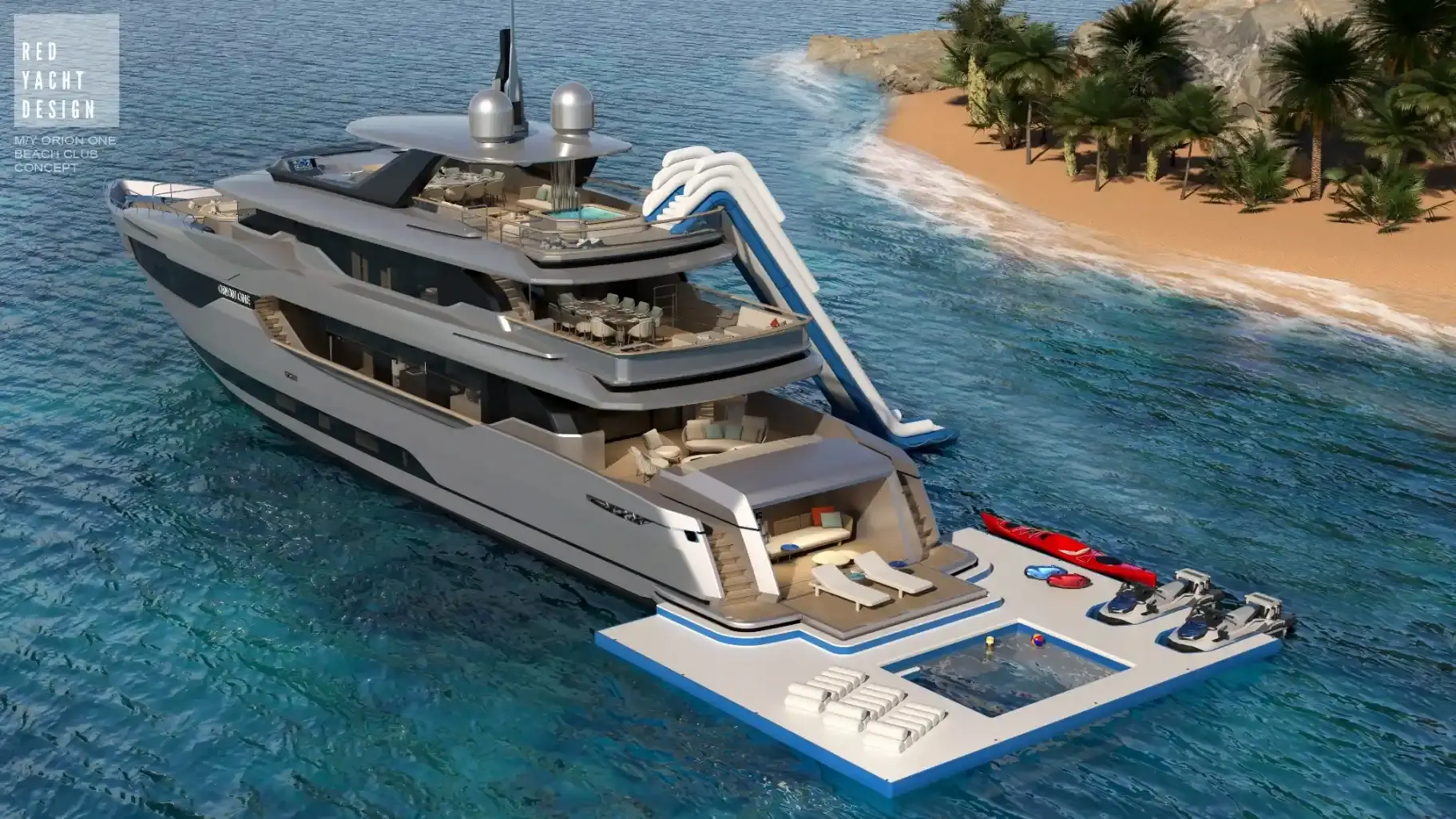
Step 3: Choose New, Used, or Custom Build
Each path has trade-offs.
New production yachts:
Modern systems and warranties. Breakdowns are rare, but can happen.
Options for customization, within limits. You pick colors and layouts, nothing too unusual.
Predictable delivery. You know when it will be ready, which helps with planning trips.
Used yachts:
Lower cost to start. Bigger boat for less money.
Immediate availability. Sail soon after buying.
Proven history. Maintenance records and past use give insight. Buyers often compare multiple listings on YachtWay to evaluate condition versus price across similar models.
Custom yachts:
Full design control. You pick everything from deck layout to interiors.
Tailored systems. Make the yacht fit how you want to sail.
Longer build time and higher complexity. Delays happen. Costs often rise during construction.
Think about your timeline, risk tolerance, and how much customization matters to you. If you want to sail soon, a new or used one is easier to get. Unique boats take time and patience.
Step 4: Pick Yacht Type and Size
Yachts come in different shapes and purposes.
• Motor yachts: Comfort and speed. Require more fuel and maintenance.
• Sailing yachts: Efficient for long trips. Slower in poor wind.
• Catamarans: Space and stability. Comfortable, but dock fees may be higher.
• Explorer yachts: Built for long trips and rough seas. Handles remote locations well.
• Sport yachts: Fast and sleek. Fun to drive, but maintenance is higher.
Size affects crew needs, marina access, cost, and comfort. Bigger isn’t always better.
Step 5: Use the Right Professionals
Buying a yacht is not easy alone. Professionals reduce mistakes and protect your money.
Broker: Finds and negotiates deals. Good ones save time and money.
Surveyor: Checks condition and value. Spots hidden issues.
Finance advisor: Helps structure payments if you borrow money.
Maritime lawyer: Handles contracts and rules. Protects you from legal trouble.
Insurance expert: Covers risks. Make sure accidents or damage are protected.
Buyer-focused brokers and independent surveyors matter most. They can prevent serious problems later. Skipping them is risky.
Step 6: Search and Compare Yachts
After defining your yacht requirements, it’s time for market research. This involves browsing listings, speaking with brokers, and inspecting yachts. Photos and videos help, but they don’t show the full picture. An in-person inspection is crucial for avoiding unexpected costs. Regional inventory varies, which is why many buyers review high-volume markets such as Miami Yachts for sale to understand pricing and availability trends.
When comparing yachts, focus on:
Engine Hours and Service Records
Engine hours reveal usage patterns. A yacht with high hours and regular service may be better than a low-use yacht that’s been sitting idle. Review maintenance logs, oil analysis reports, and records of work like injector servicing or system overhauls. Verify that servicing was done on time and by qualified technicians. Solid documentation shows good ownership.
Layout Functionality and Storage
Walk through the yacht as if you live on it. Check guest movement, separation of owner, guest, and crew spaces, and practical storage. Look for enough lockers, pantry space, and easy access to mechanical areas. A flashy layout is pointless if it’s awkward or lacks storage.
Quality of Systems and Installation
Inspect how systems are installed and labeled. Organized wiring, clean plumbing, and accessible components indicate better build quality and easier future maintenance. Pay attention to generators, air conditioning, stabilizers, electronics, and electrical panels. Messy installations often lead to costly repairs and delays. A well-done install means long-term care, not just appearance.
Maintenance History and Refit Work
Check for records of upgrades, both cosmetic and mechanical. Look for details on paint, interior work, electronics, and machinery replacements. Review the condition of key items, such as generators, stabilizers, and air conditioning. Recent work done well adds value; deferred maintenance signals future costs. Ask who did the work and if warranties or service agreements are in place.
Reputation of the Builder
Look into the builder’s history for quality, reliability, and resale value. Established builders with good dealer networks offer easier ownership and maintenance. Check if older models are supported and whether parts are easy to find. A good builder boosts resale value and minimizes long-term costs.
As you gather information, create a shortlist of yachts that meet your needs and fit your budget. This lets you focus on deep inspections, sea trials, and surveys, making your final decision more confident and informed.
Step 7: Make an Offer and Negotiate
Once you identify the right yacht, your broker submits a formal offer. The offer defines price, deposit size, and protection terms. You treat the offer as a working document. Adjustments happen through written revisions. Common contingencies include:
- Sea trial results
- Survey acceptance
- Clear title and full documentation
- Financing approval when financing applies
Negotiation forms a normal part of yacht purchases. Price discussions occur often. Repair responsibility enters the discussion. Delivery timing matters. Included gear and tenders influence value. Strong preparation gives you leverage. Weak preparation costs money. Some deals here feel slow, but patience pays off.
Step 8: Conduct a Sea Trial
The sea trial shows real performance on open water. You observe behavior under load and speed. You confirm comfort during operation. You verify the system response during normal use. During the sea trial, focus on:
- Engine response and acceleration
- Handling characteristics, noise levels, vibration
- Navigation, stabilization, and onboard systems
- Comfort at cruising speed and near top speed
Problems found during the sea trial guide final negotiations. Small issues signal maintenance quality. Larger issues shift pricing or repair scope. Some sea trials feel short. Pay attention anyway.
Step 9: Complete the Marine Survey
A professional marine survey protects you. Age does not remove risk. Surveyors inspect structure, machinery, electrical systems, safety gear, and overall condition. You receive a written report with findings and priorities. Survey results usually lead to:
- Acceptance in the present condition
- Requests for seller repairs
- Credits applied at closing
- Price renegotiation
- Exit from the deal after major findings
This step prevents expensive surprises after ownership begins. Skipping surveys leads to regret. Many buyers learn this lesson once. In the United States, survey findings often reference safety and equipment standards published by the U.S. Coast Guard.
Step 10: Finalize Financing, Insurance, and Documentation
After survey acceptance, paperwork moves fast. Accuracy matters. Errors cause delays and cost. Cross-border deals demand extra care. This stage includes:
- Recording legal title and ownership
- Registering under the correct flag
- Binding insurance coverage
- Securing financing and recording liens when required
- Confirming tax compliance
You review every document line by line. Assumptions create problems here. Clean records protect future resale. U.S.-flagged vessels documented federally must comply with requirements administered by the National Vessel Documentation Center.
Step 11: Closing and Delivery
At closing, funds transfer and ownership changes. The yacht moves under your control. Planning after closing shapes early ownership experience. Post closing actions include:
- Crew onboarding and initial training
- System familiarization and handover
- Relocating the yacht to the home port
- Establishing maintenance schedules and service contacts
A structured handover reduces early issues. Rushed delivery creates confusion. Smooth transitions start strong ownership.
Step 12: Plan for Ongoing Ownership
Successful yacht ownership extends far beyond purchase day. Owners who enjoy consistent use and protect long-term value treat ownership as an ongoing plan. You manage a system. You do not complete a transaction and walk away. Strong ownership focuses on a few priorities.
Preventative maintenance
Preventive maintenance controls cost and limits downtime. You schedule engine service, generator checks, fluid changes, filter replacement, hull cleaning, and system inspections. You fix small issues early. Small issues grow fast on the water. Owners who follow factory service intervals and maintain detailed logs see fewer failures and more reliable cruising. Missed maintenance leads to lost time and higher repair bills. This point matters more than most buyers expect. Many learn this lesson late.
Regular system updates
Marine systems change fast, especially where navigation, communications, and electrical control are concerned. You should update software, charting, safety gear, and electronics on a routine cycle. Planned updates protect safety and usability of your vessel. Proactive upgrades let you control the final timing and cost of upgrades and ensure all necessities are seen to in an orderly fashion. Reactive upgrades happen during breakdowns and can often be avoided with a rigorous update schedule. Modern systems improve efficiency, lower power draw, and support resale values. Older systems raise buyer concerns and can reduce resale values. This affects survey results and your negotiation strength.
Crew management and training
Crew quality shapes daily ownership considerations. You should invest in hiring, clear standards, and training, or rely upon a service which will manage those things for you. Training covers safety, manufacturer systems, and onboard service. Skilled crew operate systems correctly and spot problems early. A stable crew reduces turnover costs and protects vessel knowledge. Poor crew decisions create damage, downtime, and stress. Owners often underestimate this risk.
Long-term refit planning
Every yacht needs refits. Wear, interiors, and mechanical systems age. You plan refits years ahead and budget accordingly. Advance planning spreads cost and avoids surprise bills. Scheduled refits are conducted during the off-season or during maintenance windows. Strategic refits extend service life and protect market position. Deferred refits reduce value fast. Buyers notice neglect immediately.
Resale value preservation
Work to preserve resale value from day one of ownership. You keep service records, upgrade logs, and documentation organized. Consistent care and clean storage matter. Cosmetic issues addressed early prevent more serious damage. Yachts with complete records sell faster and command stronger pricing. Missing history weakens buyer confidence. This pattern repeats across markets.
A well-managed yacht delivers reliable cruising and fewer unexpected expenses. Ownership feels smoother when systems work as planned. Over time, disciplined management protects enjoyment and financial outcome.
Ready to begin your yacht-buying journey?
Buying a yacht starts a lifestyle. Satisfaction follows planning, questions, and trusted professionals. This roadmap reduces risk, controls cost, and increases the odds your yacht delivers what you expected when ownership first became a goal. When you’re ready to explore active listings or speak with experienced brokers, start by browsing current inventory on YachtWay.
Related Articles
Continue exploring related topics and deepen your understanding
This guide covers the best vessels across every major liveaboard category in 2026
This guide explains every major vessel type you will encounter
Learn how modern buyers are no longer finding their yachts on listing platforms.
Learn how flag selection interacts with ownership, tax residence, crew employment, and more.
Learn how different yacht marketplace platforms stack up according to seller and dealer needs.
The right role for a 3D tour in a remote purchase process is pre-qualification, not due diligence.